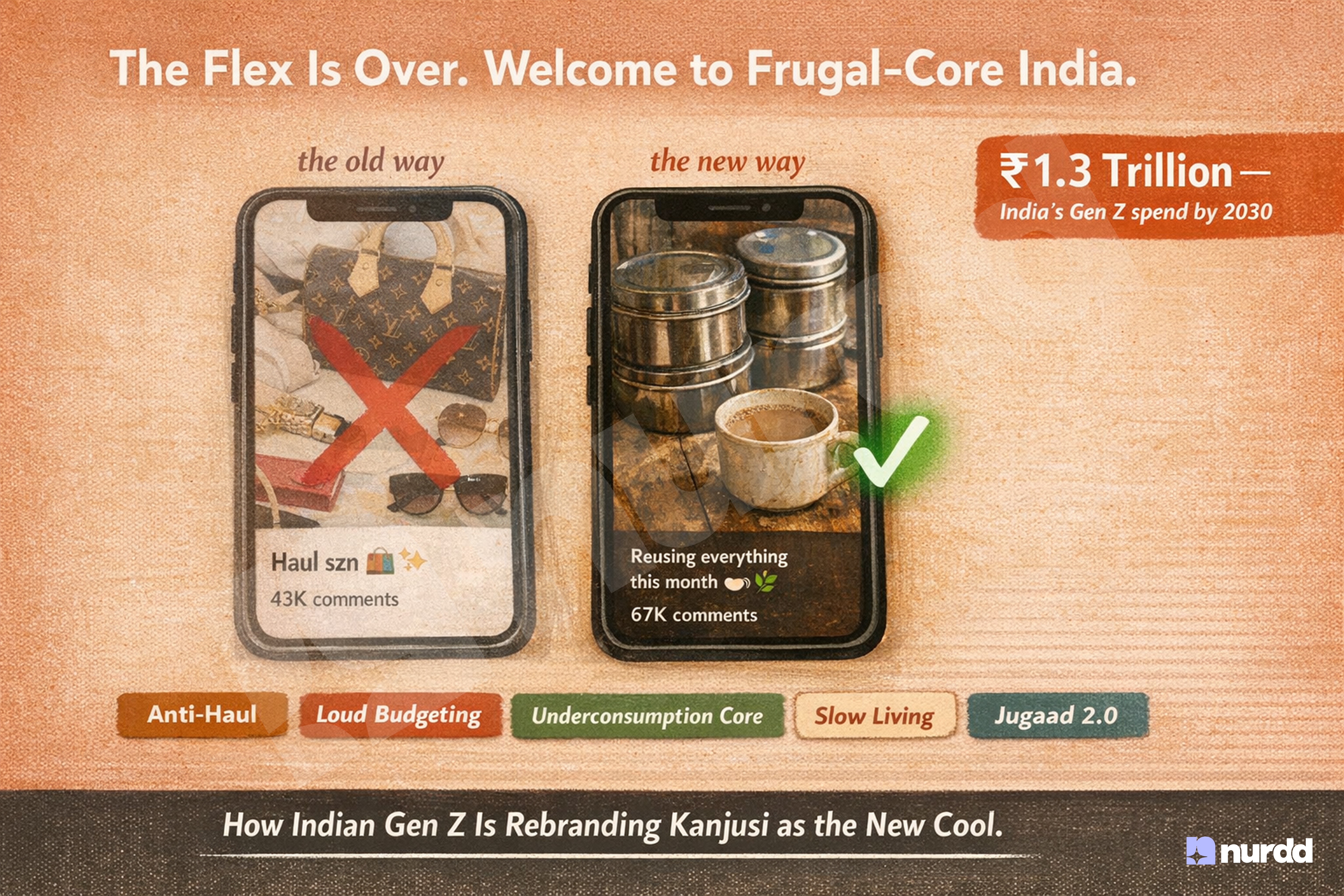
"Slow-Living" and "Frugal-Core": The Anti-Flex Movement Reshaping Indian Content in 2026
India's Gen Z will command USD 1.3 trillion in consumption by 2030 — and they are doing it very differently from the generation that came before. The "Rich Kid of Instagram" aesthetic is giving way to Frugal-Core: content that celebrates saving ₹5,000 on a grocery bill, a capsule wardrobe worn for three years, a morning chai ritual without a phone. This is not deprivation content. It is the era of de-influencing — a cultural rebranding of India's traditional household values into the format the algorithm rewards most. For D2C brands, understanding Frugal-Core is the highest-leverage cultural insight available in 2026.
The Death of the Flex and the Era of De-Influencing
Something shifted in the Indian Instagram feed around 2024. The aspirational content: the designer haul, the five-star hotel breakfast, the airport fit check did not disappear. But it stopped converting. It started generating a specific kind of comment: "Must be nice," or simply nothing at all. The comments that moved, that forwarded, that saved, were appearing on a different kind of post.
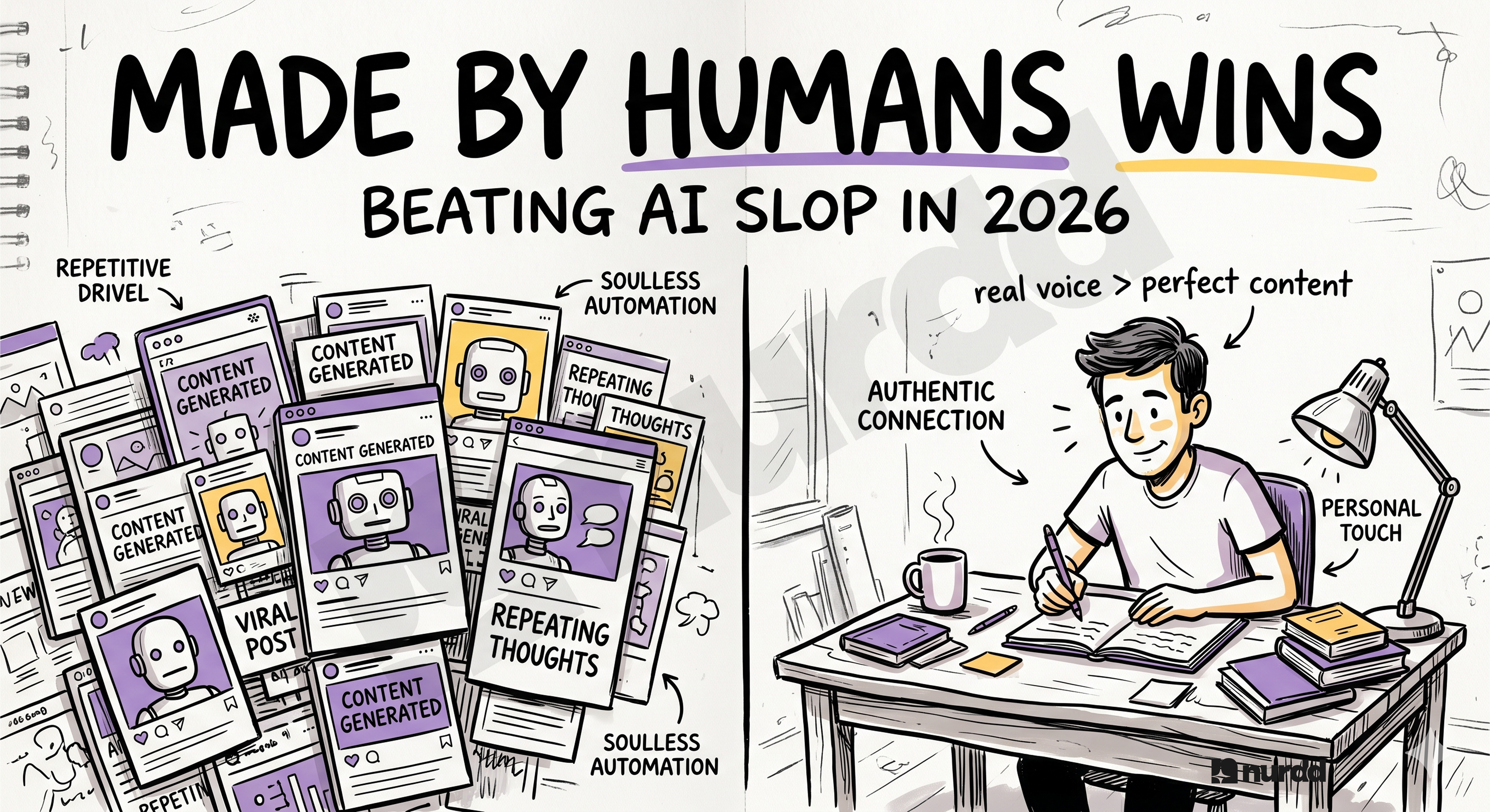
This is the era of de-influencing, a content category in which creators actively discourage purchases, explain what not to buy, and build trust precisely by restraining the commercial impulse that most influencer marketing is designed to amplify. The #underconsumption core hashtag has accumulated hundreds of millions of views globally, not as a niche aesthetic but as a genuine values movement fuelled by rising financial pressure and a desire to find meaning in what already exists.
In India, de-influencing has a cultural substrate that makes it more powerful and more resonant than in any Western market. A generation that grew up with the household wisdom of kanjusi, jugaad, and repair-over-replace is finding that the internet rewards exactly those values; not as nostalgia, but as a living, shareable, searchable identity.
When Deva Darshini started her first job as a junior accountant in December 2025, her first thought was that she would now be able to buy more. A month later, she found herself spending less, drawing a clear distinction between what she actually needs and what would be an impulse buy with no long-term use. That distinction: quiet, private, ordinary is the foundation of Frugal-Core. And it belongs to millions.

The Frugal-Core Vocabulary
Understanding this movement requires understanding its language. These are not passing hashtags, they are coined terms that are becoming searchable categories in their own right, each with a distinct content format and community identity.
De-Influencing is the practice of using an influencer platform to actively discourage unnecessary purchases, reviewing products to say "don't buy this," calling out misleading claims, or simply making content about choosing not to consume. It is the inverse of the haul video, and it generates higher trust precisely because it signals that the creator's recommendations come from genuine evaluation rather than sponsorship incentive.
Anti-Haul is a specific de-influencing video format in which the creator explains everything they actively decided not to buy during a sale event. Where a haul celebrates acquisition, an anti-haul celebrates restraint and in doing so, positions the creator as an advisor rather than a shopping conduit. Anti-hauls are among the highest-trust content formats available because the creator's credibility comes from what they chose to reject, not what they chose to endorse.
Loud Budgeting is the practice of vocalising financial priorities publicly and without apology. In Western contexts it sounds like "I can't go to that expensive dinner, it's not in my SIP goal for the month." In India it translates immediately: the SIP reference, the EMI consideration, the wedding fund that takes precedence over the impulse purchase. Loud Budgeting is not an embarrassment. It is financial identity, the declaration that your money choices reflect your values, and those values are worth stating out loud.
Underconsumption Core is the aesthetic of showing what you have and how long you have kept it. A capsule wardrobe with six pieces. A single pair of shoes used for three years. A phone case repaired with tape. The content premise is the inverse of the haul: the hero is longevity, not novelty. In India, this maps directly onto the household ethic of generations that kept appliances running for decades; the difference is that in 2026, it is content, it is aestheticised, and it has millions of views.
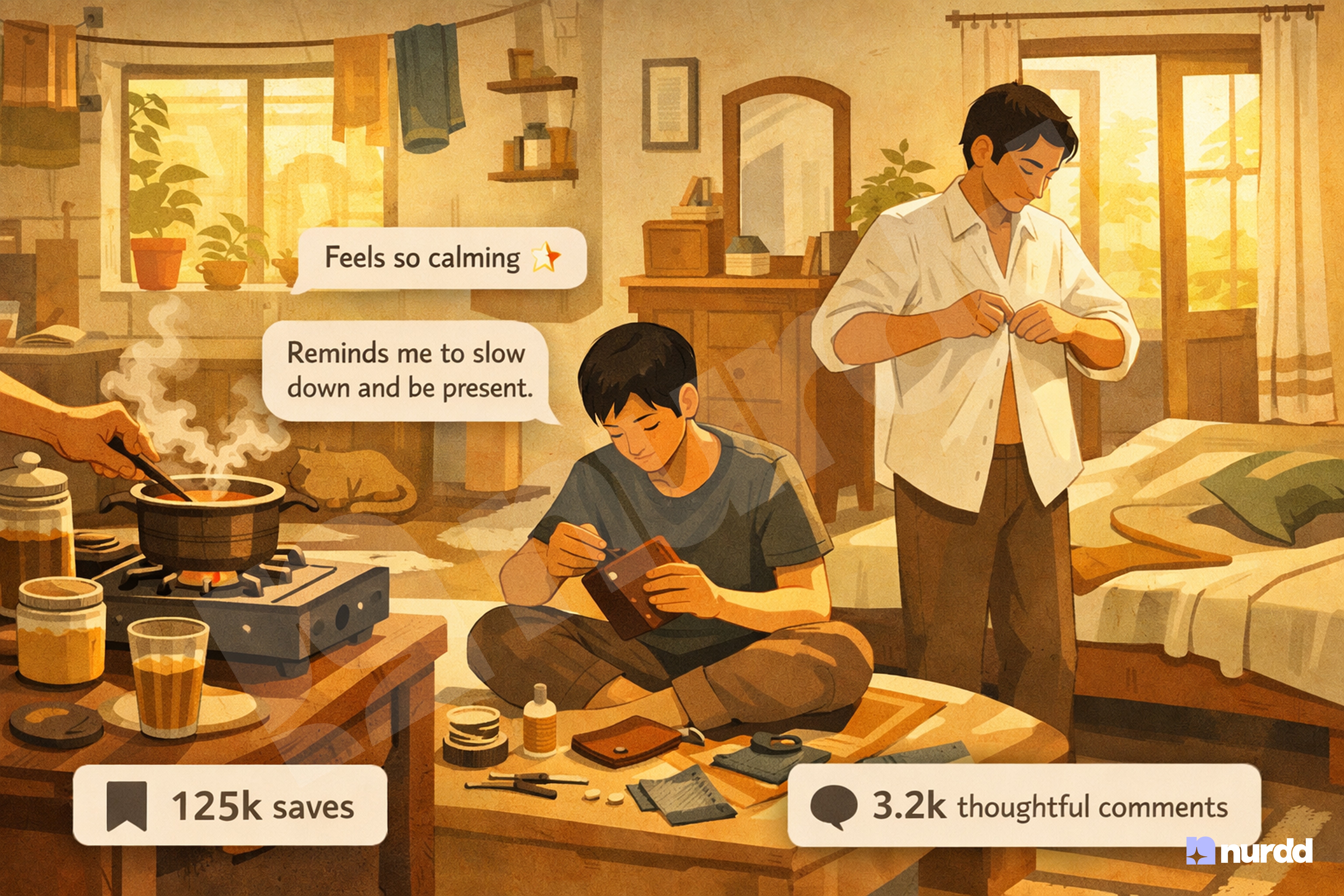
Slow Living (Desi Edition) is the Indian inflection of the global slow living movement but crucially distinct from its Western "Cottage-Core" cousin. Western slow living is expensive. It requires a countryside home, artisanal ceramics, and a specific pastel palette. Indian Slow Living is the ritual of morning chai without a phone, the art of hand-grinding masalas instead of reaching for the spice packet, the weekly walk to the local mandi instead of opening Blinkit. It is mindfulness practised within the constraints and rhythms of ordinary Indian life, not escapism from it.
Jugaad 2.0 is the evolution of India's most beloved problem-solving philosophy into the AI era. Traditional jugaad meant improvising a solution from whatever was at hand. Jugaad 2.0 means using AI tools, smart apps, and community knowledge to find sustainable, low-cost solutions for everyday Indian problems, a finfluencer using an AI tool to optimise a ₹40,000 monthly household budget, or a zero-waste creator using ChatGPT to calculate the ten-year cost of buying versus repairing a washing machine. The spirit of frugality meets the infrastructure of intelligence.
The Finfluencer Moment: When Financial Content Became India's Most Trusted Category
The most commercially significant sub-trend within Frugal-Core is the institutional version of Loud Budgeting: financial transparency content from creators who treat money as a topic of genuine public interest.
Ankur Warikoo, with 6.4 million YouTube subscribers and 3.7 million Instagram followers recently dedicated an entire video to what he called "the biggest middle-class squeeze in independent India." His argument was precise and well-documented: the top 1% now owns 40% of national wealth, while the middle class's share of national income has plunged from 45% in 1980 to 23% today. The Sensex doubled between 2020 and 2024. Salaries grew 24%. The middle class is being hollowed out, and the people most acutely aware of it are the young, salaried, digitally native professionals who make up the core audience for Frugal-Core content.
Sharan Hegde, founder of The 1% Club - India's largest finance community, has built over 2.7 million Instagram followers and a Forbes 30 Under 30 recognition on a content formula that blends humour with practical financial education: budgeting, mutual funds, home loan mathematics, wedding planning without debt. The content that performs best on his channel is not aspirational. It is operational, it tells people exactly what to do with ₹15,000 in savings, or how to avoid the EMI trap, or how to negotiate a raise in a job market that does not feel safe.
This is the finfluencer shift that brands need to understand. The question Indian Gen Z is asking social media in 2026 is not "how do I get rich?" It is "how do I not fall behind?" That question - urgent, practical, slightly anxious is generating the deepest community engagement on Indian social media right now. The creator who answers it honestly, in the audience's first language, with regional specificity and cultural familiarity, is not just popular. They are trusted in a way that no brand ad can replicate.
What Frugal-Core Means for D2C Brands: The Affordable Affluence Frame
The most dangerous mistake a brand can make in this cultural moment is confusing Frugal-Core's aesthetic with its substance. Brands that slap a "conscious" label on a product without genuine value evidence will be called out quickly, publicly, and in the kind of comment threads that travel.
PwC calls the actual spending pattern "affordable affluence": Gen Z cuts overall spending broadly but reserves deliberate premiums for categories that align with their values or that offer a quality argument they find genuinely compelling. This is the updated version of the "lipstick effect" - not full deprivation, but conscious curation. More than 79% of Gen Z wait for products to go on sale, and only 21% regularly pay full price. But when they do pay full price, they have a reason and that reason is almost always rooted in values, quality, or long-term utility, never in status or novelty.
The D2C brand that can make a values-based case for why its ₹350 hand soap is worth the conscious exception, in terms of ingredient quality, ethical sourcing, or environmental footprint is not fighting the Frugal-Core trend. It is working within it. The brand that shows, in honest detail, why its product costs more and lasts longer is practising the same ethos as the creator who posts an anti-haul. The brand that partners with a Frugal-Core creator to demonstrate repurposing, longevity, or waste reduction is not running a campaign. It is participating in a values conversation that was already happening without it.
The de-influencing dynamic cuts both ways. More than 70% of Gen Z discover sustainable products via platforms like Instagram and TikTok. The channel is not the problem. The framing is. Content that helps people spend less, choose better, and keep things longer is not incompatible with brand marketing. For the right brand in the right category, it is the most credible brand marketing available.
The brands that will build the deepest loyalty with India's Frugal-Core generation are not the ones that look cheapest. They are the ones that feel most honest.
Sources
The Federal — When Less Becomes More: Why India's Gen Z Is Redefining Consumption (Jan 2026): thefederal.com
Business Standard / Redseer — Gen Z to Command $1.3 Trillion Consumption in India by 2030 (Mar 2026): business-standard.com
Business Today / Ankur Warikoo — Why Market Doubled, Salaries Didn't: The Middle-Class Squeeze (Dec 2025): businesstoday.in
Futurists Media — Top Finance Influencers in India 2025 (Dec 2025): futuristsmedia.com
Fame Keeda — Top Finance Influencers in India — Ankur Warikoo, Sharan Hegde (Jul 2025): famekeeda.com
PwC — Gen Z Spending Habits: The Paradox of Consumer Trends (2025): pwc.com
The Conversation — Gen Z and the Sustainability Paradox (Feb 2026): theconversation.com
EcoCart — 42 Statistics on Gen Z Spending Habits: ecocart.io
ScienceDirect — Nudging Sustainable Fashion Choices: Indian Gen Z Consumers (Jan 2025): sciencedirect.com
IJCRT — Impact of Finfluencers on Individual Investment Decision Making (Jul 2025):ijcrt.org