Vernacular Influencer Marketing: Win Tier-2 & 3 India in 2026
 16 Jan 202610 min read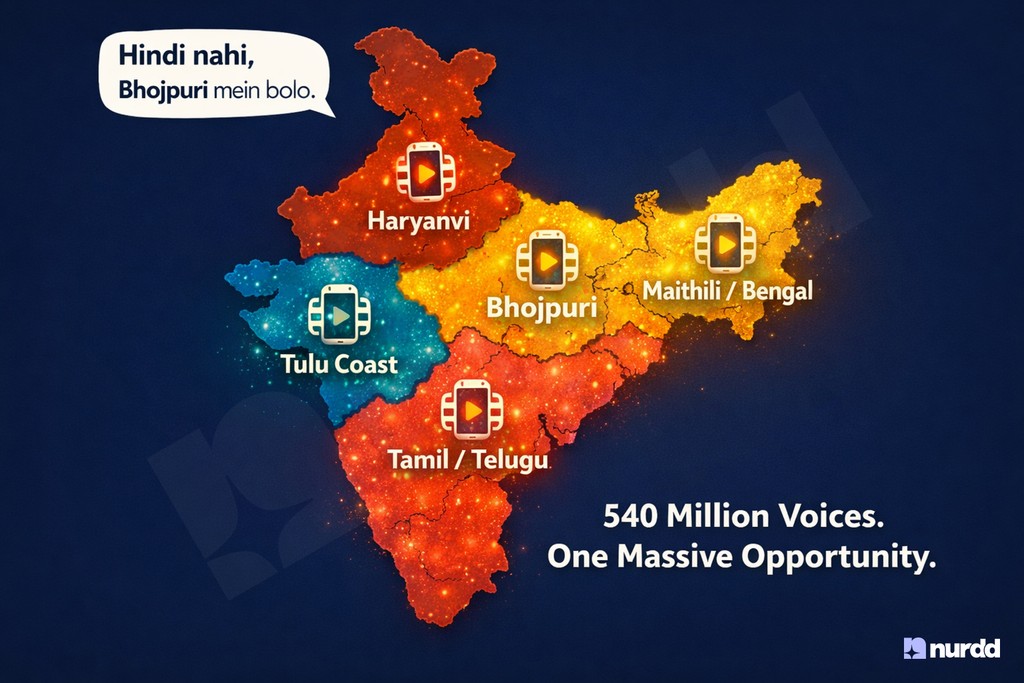
Win Tier-2 and Tier-3 India by building campaigns in Bhojpuri, Haryanvi, Tulu and other regional languages through cultural transcreation, not translation. Partner with trusted nano- and micro-influencers, add local kirana and mela touchpoints, and measure results with district-level links, promo codes and geofenced analytics.
Hyper-Local Vernacular Networks: Why Bhojpuri, Haryanvi, and Tulu Are India's Most Underpriced Marketing Channels
Over 73% of India's internet users consume content in regional languages a 540-million-person audience that most D2C brands are still addressing in their second language. The brands that crack Bhojpuri, Haryanvi, and Tulu will not just find a new market. They will find the most loyal, lowest-CAC consumer base in the country.
The Market That National Campaigns Keep Missing
For years, "digital India" in a marketing deck meant Delhi, Mumbai, Bengaluru. It meant Hindi-English campaigns built for metro sensibilities and treated as universally applicable. But India crossed 900 million internet users in 2025, and the majority of that growth came not from metros but from districts most brand managers cannot place on a map Muzaffarpur, Rohtak, Udupi, Darbhanga.
The language these users speak, search in, and trust is not Hindi. It is Bhojpuri in the eastern Gangetic belt. Haryanvi across the NCR hinterland. Tulu on the Karnataka coast. Maithili in Mithila. Gondi in Vidarbha.
Over 73% of internet subscribers in India now consume content in regional languages, representing a ₹4.5 lakh crore opportunity [1]. This is not a niche market to be addressed after the "main" campaign is live. This is the main market and it has been waiting, largely unaddressed, for brands confident enough to show up in its first language.
Why Translation Is the Wrong Solution
Most brands understand this intellectually and still get it wrong. They take a Hindi campaign, run it through a localisation vendor, and broadcast it in Bhojpuri and the audience in Gorakhpur or Varanasi hears it for exactly what it is: a corporate brand trying to sound local without putting in the work.
The distinction that changes everything is between translation and cultural transcreation.
Cultural Transcreation is not about swapping words. It is about rebuilding meaning from the inside. It means embedding a Chhath Puja reference into a Bhojpuri skincare ad rather than a generic festival hook. It means understanding that humour in Haryanvi carries a specific cadence, rhythm, and self-awareness that a dubbed voice-over will never replicate. It means briefing regional cultural consultants before the creative brief is written not after the creative has already been produced in Hindi.
The evidence for this is not theoretical. When Casagrand, one of South India's largest real estate developers, shifted from English Facebook ads to Tamil-language ads for the same project, regional ads generated 3 times the number of leads while bringing cost per lead down to one-third resulting in nine times better engagement on the same budget [2]. They did not change the product, the offer, or the price. They changed the language. That is the compounding power of speaking to someone in their mother tongue rather than their second.
Regional language content consistently sees 1.5 to 2 times higher engagement than equivalent Hindi or English content, particularly in video and voice formats [3]. The ROI is demonstrably there. The friction is entirely in the creative process, not the audience.
The Trust Problem and the Kirana Strategy
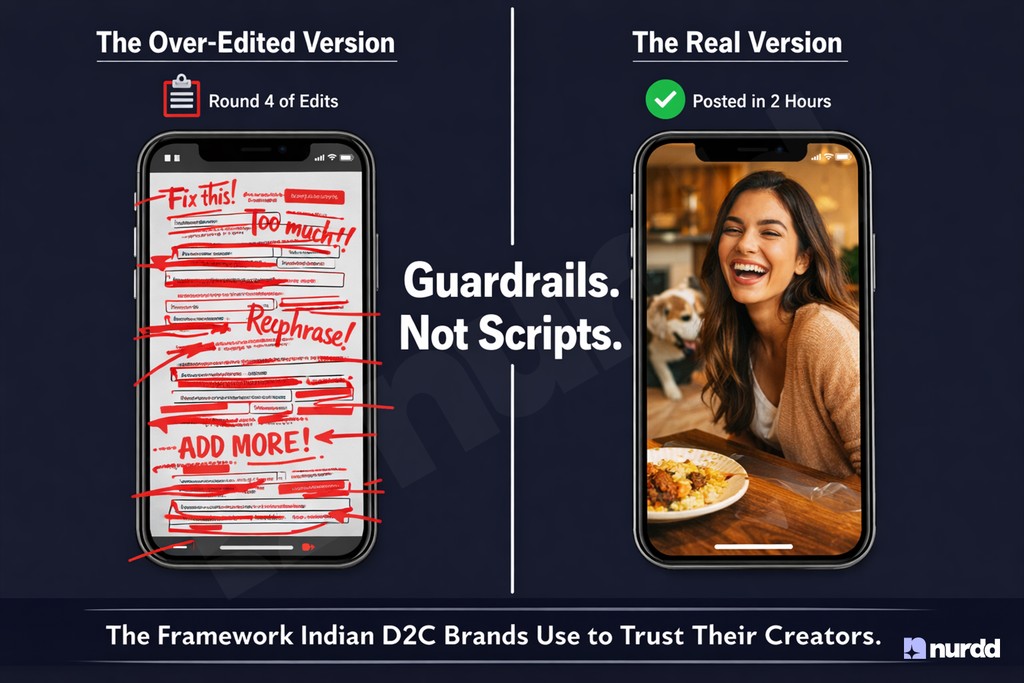
Switching to a regional language is necessary but not sufficient. Rural and semi-urban consumers in Tier-2 and Tier-3 India carry a default skepticism of large corporate brands built over years of aspirational pan-India campaigns that spoke past them, used imagery they could not relate to, and assumed price points designed for urban wallets.
This skepticism cannot be overcome with a bigger celebrity. It requires a more trusted, more local voice.
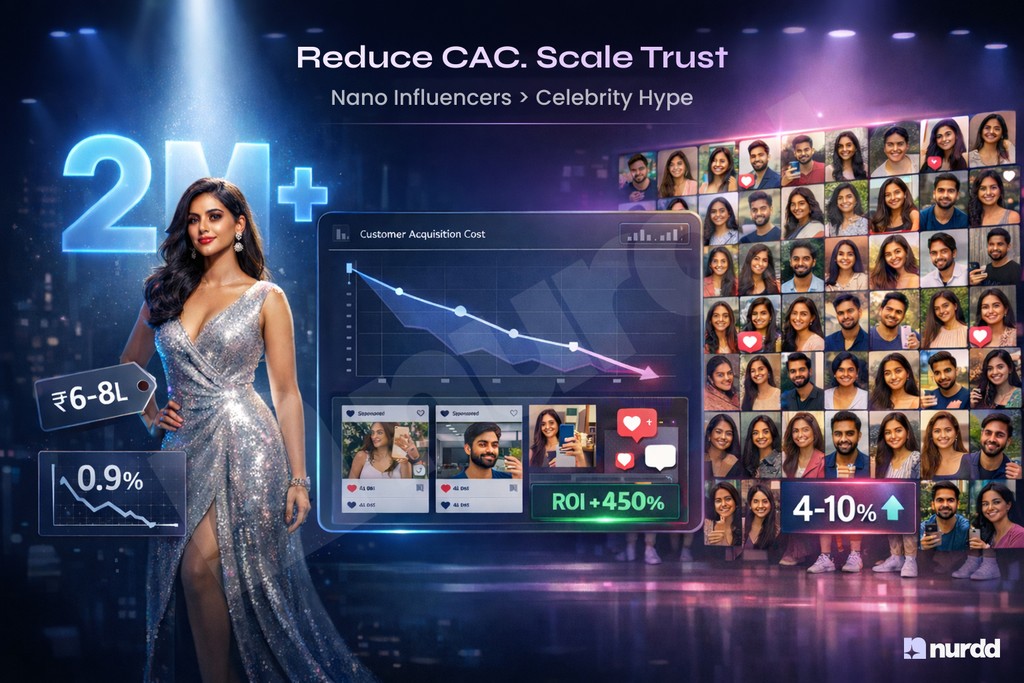
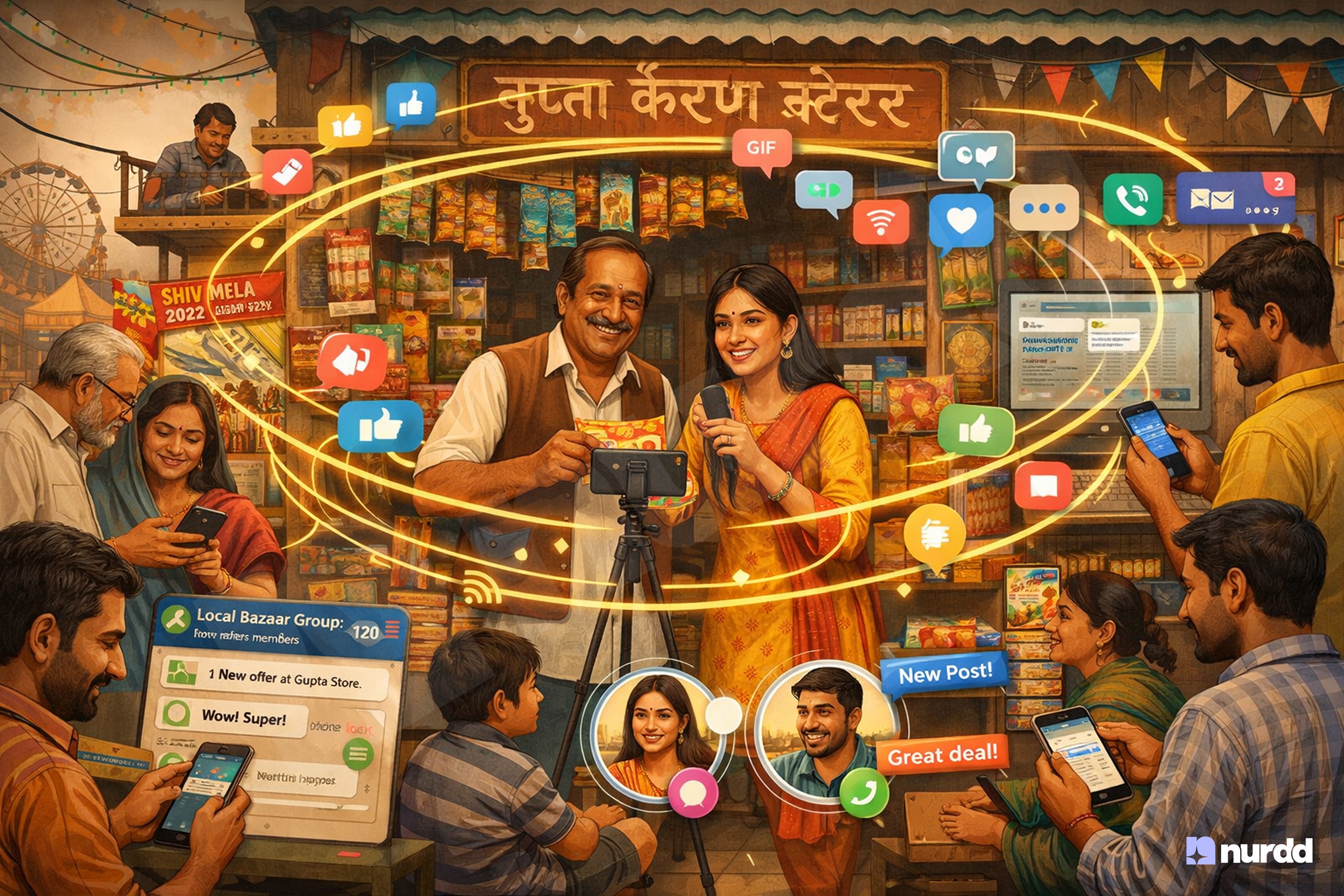
Nano and micro-influencers in vernacular languages the creators with 2,000 followers in a specific district, known to their community the way a kirana store owner is known are the intermediaries that bridge this trust gap. These are not content creators in the traditional sense. They are neighbourhood experts whose recommendations carry the weight of personal endorsement. Combining their digital presence with phygital touchpoints appearances at local melas, shop-front branding at the kirana itself, WhatsApp community posts in the local dialect creates a trust loop that national media spend simply cannot replicate.
This is the Kirana Strategy: not partnering with the biggest voice in the region, but with the most trusted one. The distinction matters enormously in markets where word-of-mouth still travels faster than any algorithm.
The Measurement Problem and Geofenced Analytics
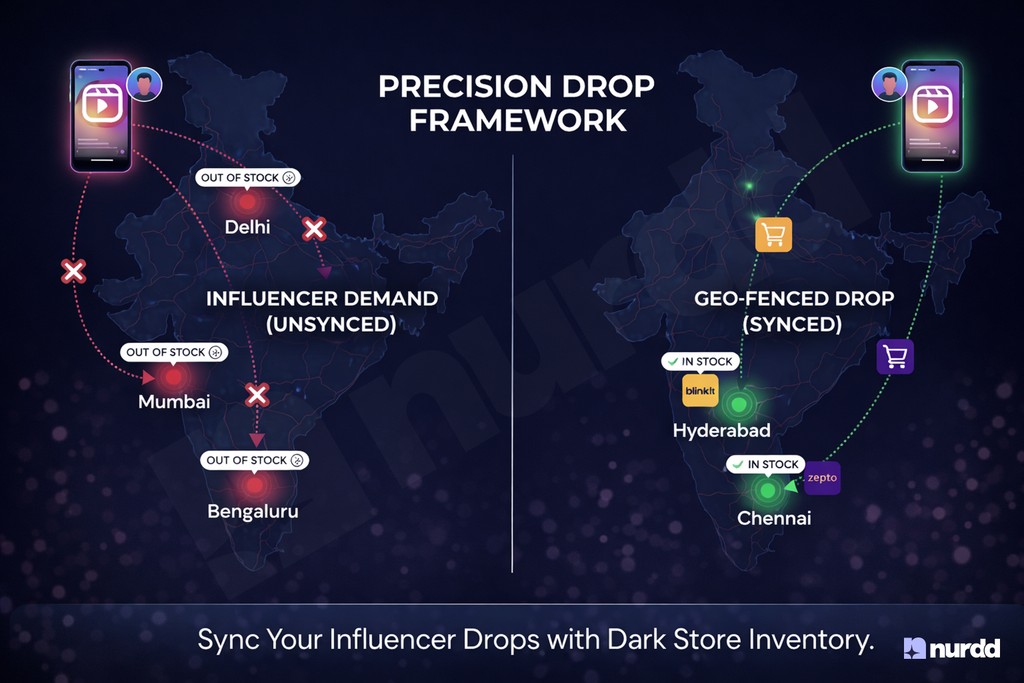
The reason most brands have not invested deeply in dialect marketing is not lack of interest. It is lack of measurement confidence. How do you prove that a Tulu-language creator in Mangaluru drove conversions in coastal Karnataka, when your analytics dashboard is built for national campaigns?
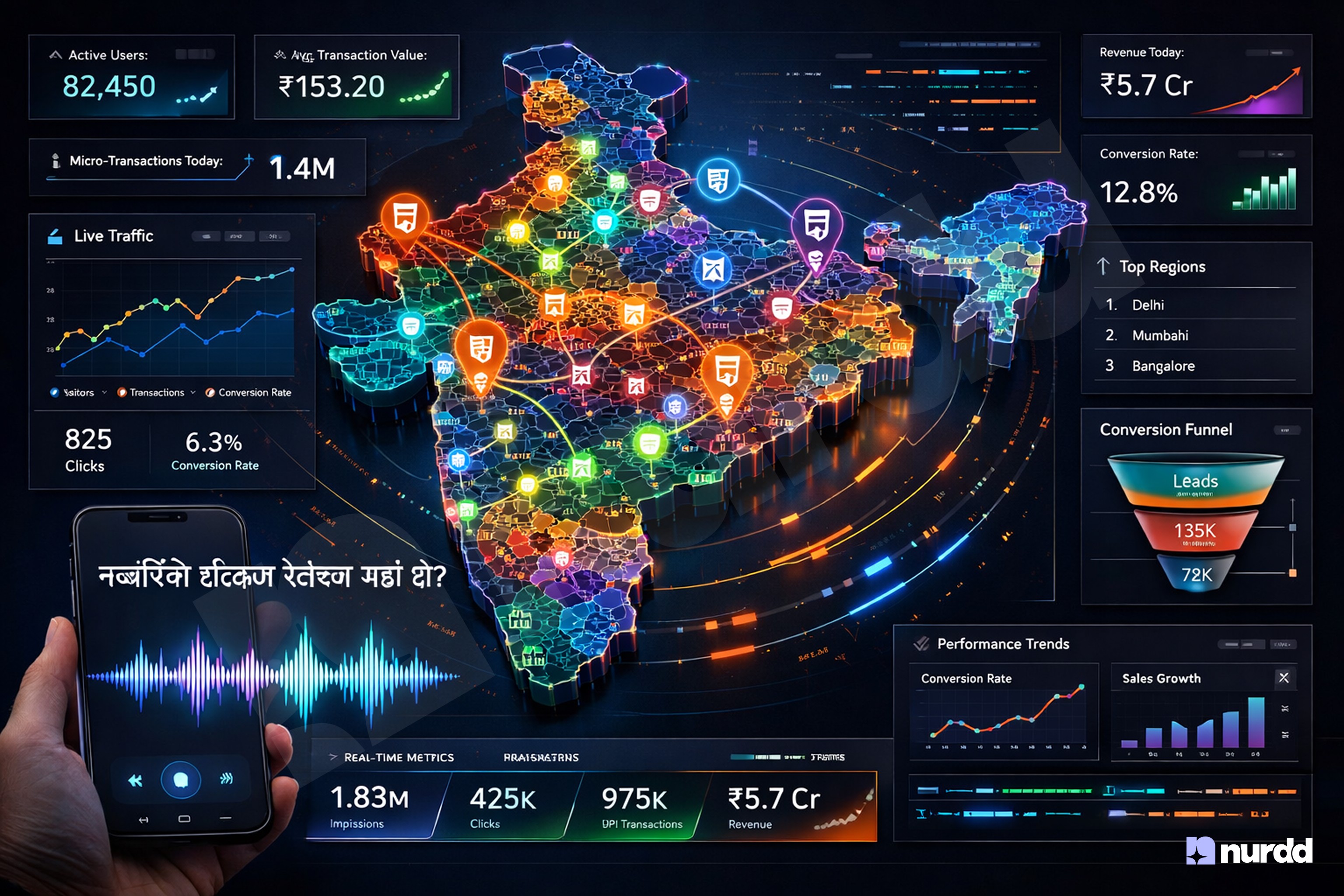
The answer is Polygon Targeting geofenced analytics that track impressions and conversions at the pin-code or even village level, tied to UPI transaction data. Over 70% of Tier-2 and Tier-3 searches are already happening in local languages [3], which means regional campaigns generate highly trackable, intent-rich signals.
Pair each creator with a unique promo code and a UTM-tagged link segmented by district. Tie conversions back to UPI micro-transactions the ₹1 to ₹99 digital payments that now flow through even the most rural markets and attribution becomes tractable in a way that traditional survey-based research never was. The data infrastructure exists. The brands winning in this space have simply built the habit of using it.
What Voice Search Changes About Vernacular SEO
Here is the pattern that most brands have missed entirely: in Tier-2 and Tier-3 cities, voice search adoption is significantly higher than in metros, simply because speaking is more natural than typing in a regional script [4].
And the way people search by voice is fundamentally different from how they type. A farmer in rural UP does not type "best agricultural water pump features." He asks, out loud, "khet ke liye sabse accha pump kaun sa hai?" A first-time home buyer in Coimbatore does not search "affordable 2BHK apartments in Tamil Nadu." She speaks the question she would ask a trusted friend.
Vernacular SEO that captures these voice queries long-tail, conversational, rooted in local idiom is a largely uncontested space in 2026. Brands that build content and influencer briefs around how their audience actually speaks, rather than how marketers imagine they search, will find themselves ranking for queries their competitors have not yet thought to optimise for.
For Creators: Closing the Monetisation Gap
Vernacular creators face a structural disadvantage that has nothing to do with their audience size or content quality. CPMs for Bhojpuri or Tulu content remain lower than Hindi or English, because the advertising industry has not yet caught up with where the audience has moved.
The solution is not to chase Hindi reach. It is to build deeper into the niche and to pivot toward models where CPM is not the primary monetisation lever.
Regional OTT platform Stage saw revenue jump sixfold to ₹111 crore in FY25, driven entirely by paid subscriptions for Haryanvi, Rajasthani, and Bhojpuri dialect content [5]. ShareChat, with 180 million monthly active users predominantly from Tier-2 and Tier-3 cities across 15 Indian languages, is building creator monetisation tools specifically for this market [6]. Kuku FM has crossed 100 million users, with Bhojpuri, Hindi, and Marathi driving the majority of subscription revenue [6].
The other play is Hyper-Local Commerce acting as a local discovery engine and affiliate partner for D2C brands solving specific regional problems. Agri-tech tools for farmers in UP. Local fintech for daily wage workers in Bihar. Affordable preventive healthcare for semi-urban consumers in Jharkhand. These are high-purchase-intent audiences with very few trusted intermediaries. The vernacular creator who occupies that gap becomes irreplaceable and commands pricing that a CPM model could never justify.
The Algorithm Problem and the Depth Strategy
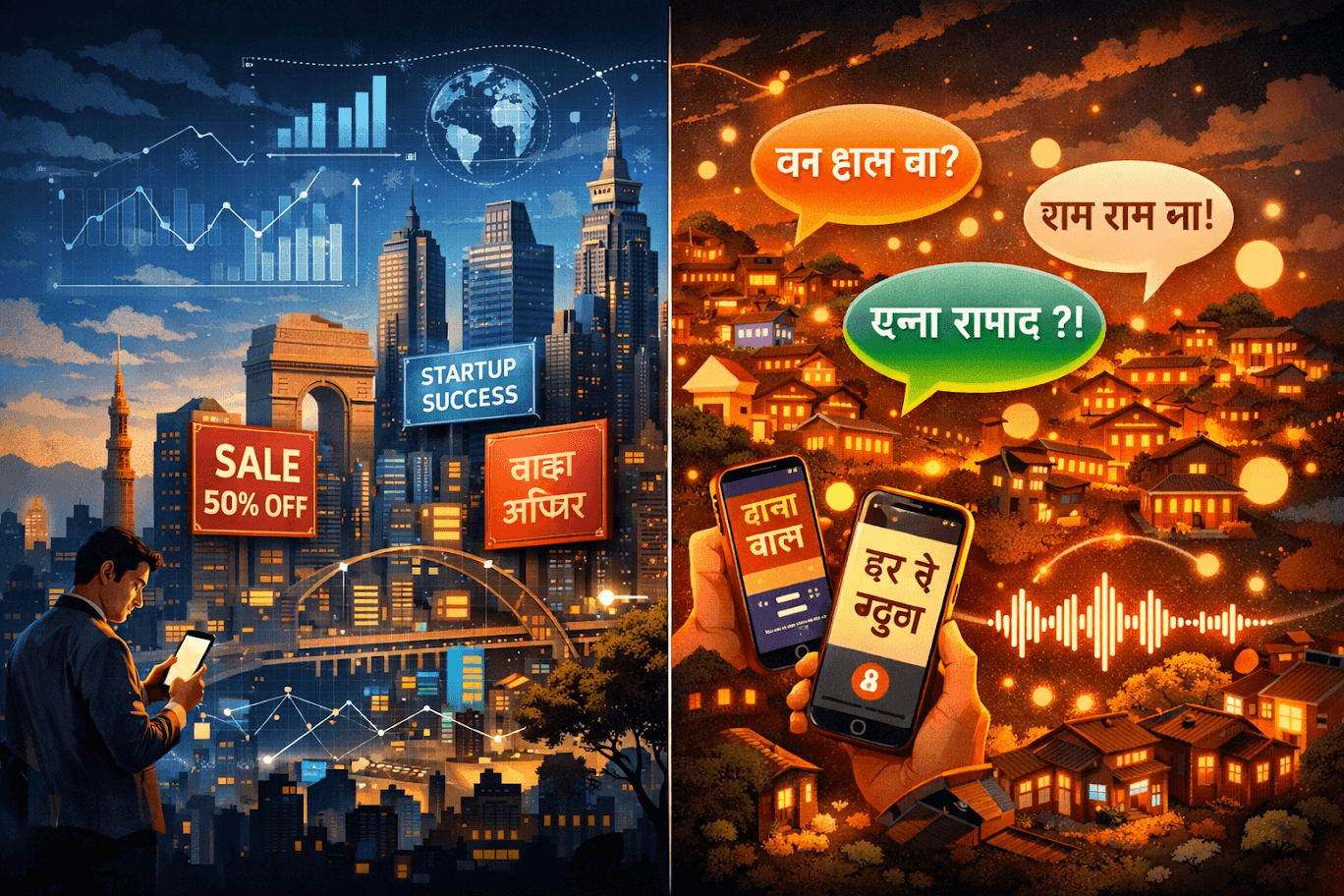
Major platforms still structurally favour Hindi and English content in their recommendation systems. Fighting that bias by chasing Hindi reach is a losing battle for a Tulu creator. Building around it is not.
The India creator economy is valued at $1.46 billion in 2025 and is projected to reach $5.93 billion by 2032, growing at 22.2% CAGR [7]. The fastest-growing segment is regional, dialect-specific content not because algorithms have become fairer, but because the creators who are winning have stopped optimising for algorithmic reach and started optimising for community depth.
Platforms like Telegram and Kuku FM allow vernacular creators to build subscription communities where engagement is 10 times higher than on broad social platforms. The audience is smaller. The loyalty is incomparable. And for D2C brands looking for reliable conversion partners rather than impression volume, that depth is worth more than any For You Page placement.
The One Line That Separates Brands That Win From Brands That Don't
Bharat does not want to be spoken to in its second language. It wants to be spoken to in its first.
The brands that understand this and invest in cultural transcreation, local creator relationships, polygon-level measurement, and voice search optimisation will find not just a new revenue stream but the most loyal, lowest-CAC consumer base in the country. The ones that keep running their pan-India Hindi campaigns and calling it "vernacular strategy" will keep wondering why the numbers do not move.
The market is not waiting. It is already online, already searching, already buying in Bhojpuri, in Haryanvi, in Tulu. The question is only which brands show up fluently enough to earn its trust.
Sources
- MxMIndia — India's Digital Surge in 2026: A Billion-User Market Rewriting the Rules of Engagement (Nov 2025): mxmindia.com
- Social Beat — How Vernacular Ads Aided Casagrand Gain 90% Growth in Leads: socialbeat.in | How Multilingual Ads Generated 3x Leads with 1/3rd CPL for Casagrand: socialbeat.in
- Digidarts — How to Localise Performance Ads for Tier-2 & 3 India (Jan 2026): digidarts.com
- AtomComm — Regional Language Content Is the Next Big Thing for Indian Digital Campaigns (Aug 2025): atomcomm.in
- India Hood — Regional OTT Platform Stage Surpasses ₹100 Crore Revenue in FY25 (Feb 2026): indiahood.com
- India Digital Advertising — Digital Marketing Trends for 2026: India Market Focus (Nov 2025): indiadigitaladvertising.com
- Coherent Market Insights — India Creator Economy Market Size 2025–2032 (Apr 2025): coherentmi.com
- Buzzinly — Challenges Brands Face with Regional Influencers in India (Jan 2026): buzzinly.com

Find the right creators — and verify they're real.
Nia gives brands access to 10M+ Indian creator profiles, TruAI fake follower detection, pre-spend ROI forecasting, and product-level sales attribution. Completely free.