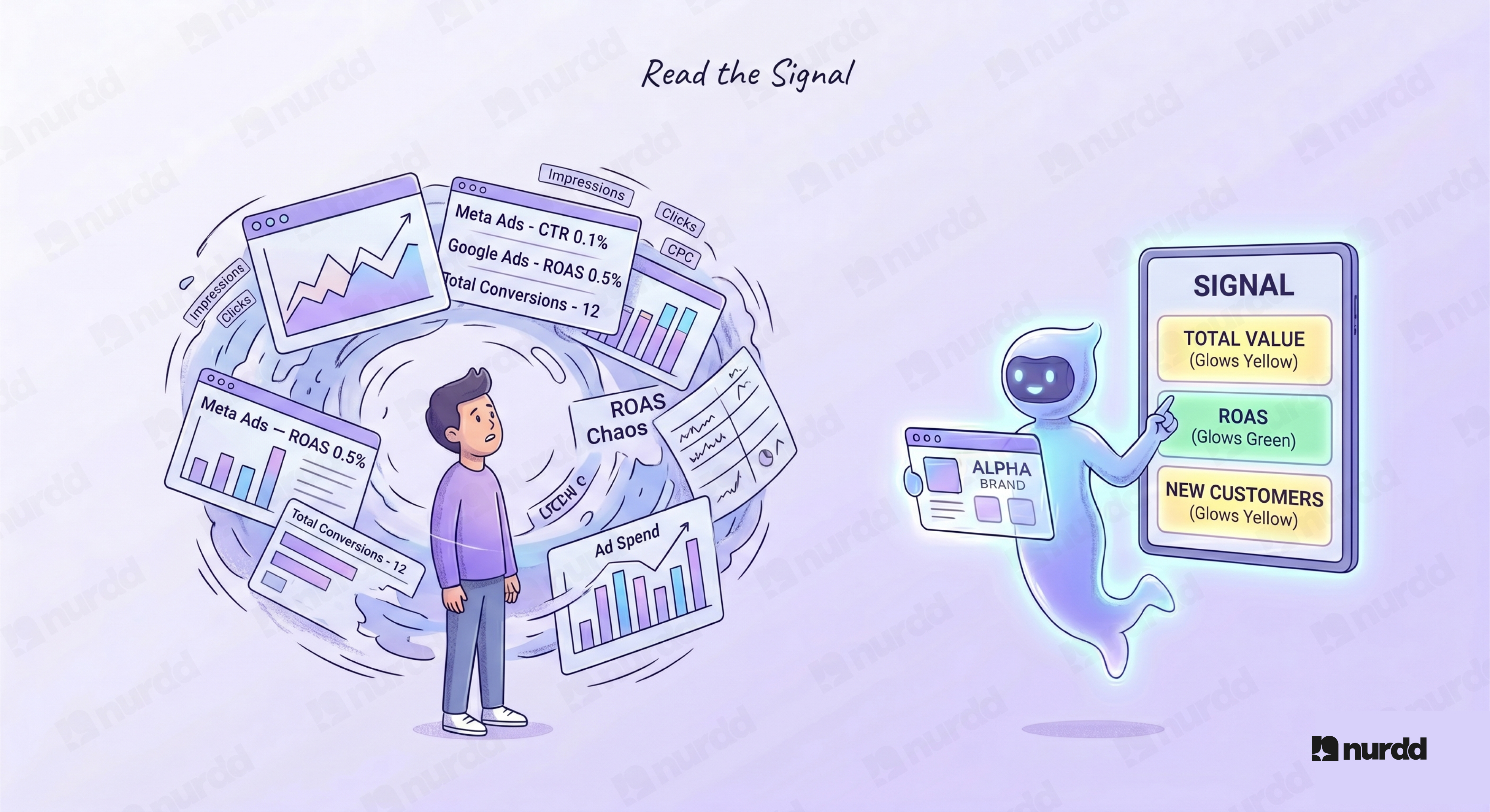
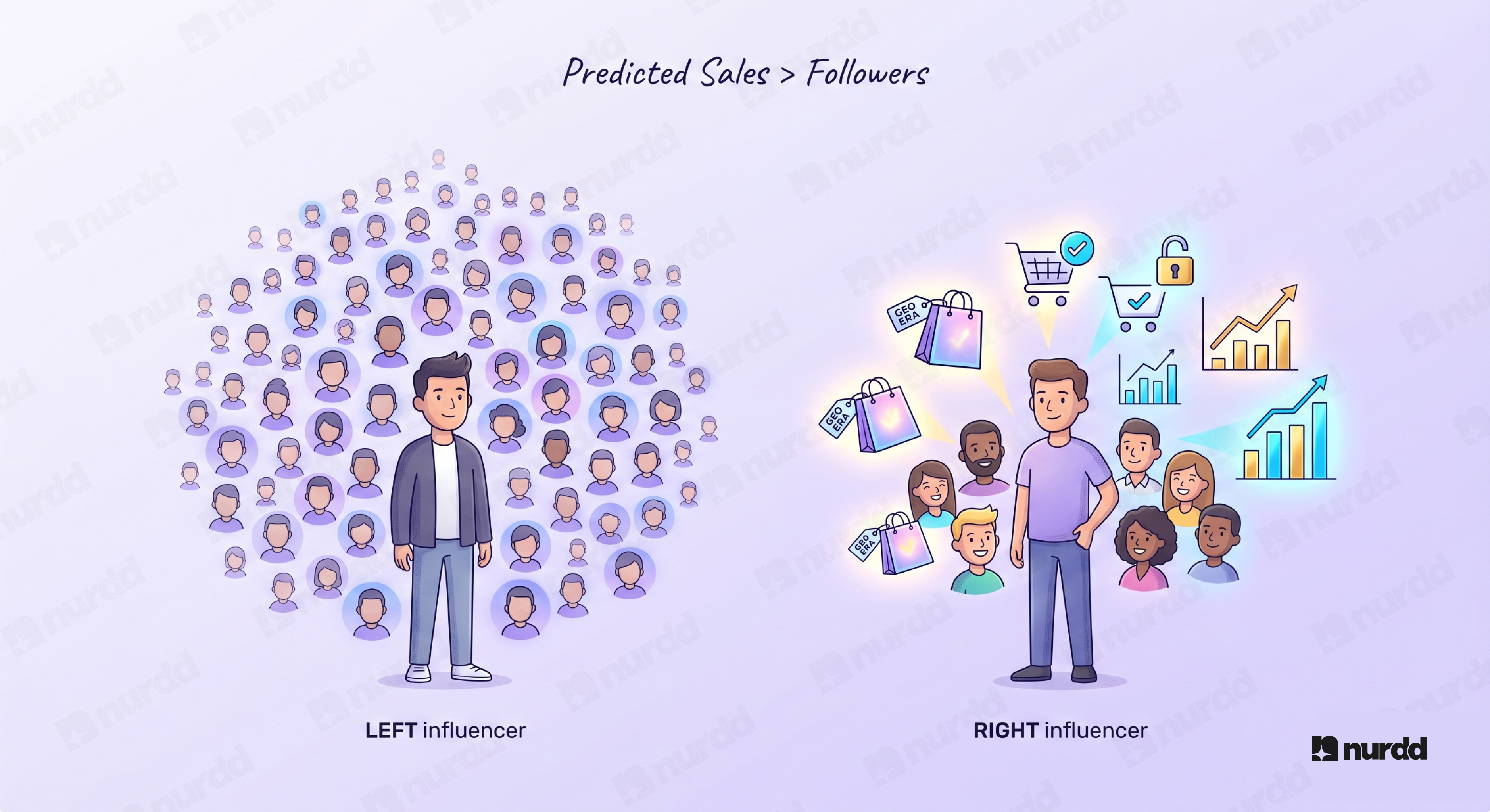
How Indian Brands Can Collaborate With Creators Without Hiring an Agency
Most Indian D2C brands hiring influencer marketing agencies are paying 15–25% of campaign spend in management fees for work that, with the right tools, can be done in-house in less time and with better measurement.
This is not a criticism of agencies. Managed services have their place — particularly for brands without a marketing hire or brands running very large campaigns. But for the majority of D2C brands in India, spending ₹50,000–₹3,00,000 per month on agency fees is unnecessary overhead when the same workflow can be executed in-house using Nurdd.
This guide gives you the complete in-house influencer collaboration workflow.
Why D2C Brands Move Influencer Marketing In-House
The three most common reasons brands take influencer marketing in-house:
- Cost: Agency fees of 15–20% of campaign spend add up quickly. A ₹10L campaign costs ₹1.5–2L in fees alone, year after year.
- Speed: Agencies add layers of approval and communication. In-house teams can move from brief to live in days rather than weeks.
- Data ownership: Agencies rarely share full creator performance data. In-house teams own the attribution data and can build on it campaign after campaign.
What You Need to Run Campaigns In-House
You need three things:
- A tool for discovery, vetting, and forecasting (Nurdd — free)
- A brief template (covered below)
- One person with 3–5 hours per week to manage the relationship
That is it. No agency. No monthly retainer. No percentage of spend.
The Complete In-House Campaign Workflow
Week 1: Discovery and Vetting
Day 1–2: Define your creator profile
Before searching, document: target niche, audience demographics, follower range (recommend starting with micro: 20K–200K), maximum fake follower rate (15% or lower), minimum engagement rate (2.5%+), platform (Instagram Reels recommended for most D2C categories in India).
Day 2–3: Search and filter in Nurdd
Download the Nurdd app — search "Nurdd" on the App Store or Google Play. Use Nia to search by niche, filter by engagement rate, and apply your fake follower threshold using TruAI. Target a shortlist of 20–40 creators.
Day 3–4: ROI forecasting
For your top 10 creators, run pre-spend ROI forecasts in Nurdd. Enter your proposed budget per creator and review the projected return range. Rank your shortlist by expected ROI. Proceed with the top 5–8.
Day 4–5: Outreach
Message your shortlisted creators directly through their Instagram DMs or email (usually in bio). Keep the first message short: who you are, what the product is, what you are proposing, and an ask for their rate card and media kit.
Week 2: Briefing and Contracting
Creator brief template:
- About the brand: 2–3 sentences. What you sell, who your customer is.
- About the product: What it does, key benefits, what makes it different.
- Campaign objective: Awareness vs. direct sales. Be honest — creators calibrate content differently.
- Deliverables: Exact format (1x Reel, 3x Stories), posting date, content submission deadline.
- Key messages: 2–3 things you need communicated. No more.
- Mandatories: Discount code format, link in bio, any claims that must not be made.
- Creative freedom: Tell them what they can express in their own voice. Creators know their audience better than you do.
Contracting: For campaigns under ₹50,000 per creator, a simple email agreement works. For larger campaigns, use a basic collaboration agreement covering deliverables, posting dates, exclusivity period (if any), content ownership, and payment terms.
Week 3: Content Review and Going Live
Request a draft before posting for brand safety review. Your review should check for factual accuracy and mandatory inclusions — not creative direction. Trust the brief you wrote in Week 1.
Approve promptly. Creators with multiple brand partnerships deprioritise brands that take 5+ business days to approve content. Same-day or next-day approval builds goodwill.
Week 4 and Beyond: Attribution and Optimisation
After campaign content goes live, measure:
- Promo code redemptions: Each creator gets a unique discount code. Redemptions are direct attribution.
- Link clicks: UTM-tagged links in bio or swipe-up show traffic per creator.
- Product-level sales attribution: Nurdd tracks which SKUs sold and attributes them to the creator whose audience purchased.
Review attribution in Nurdd 14 days after the last piece of content goes live — purchase lag means some conversions come 7–10 days after the post.
Building a Recurring Creator Roster
The biggest efficiency gain from in-house management is building a creator roster you run with repeatedly. After your first campaign, identify your top 2–3 performers and propose a quarterly or annual agreement:
- Fixed monthly deliverables (e.g., 2 Reels + 5 Stories per month)
- Fixed monthly fee (negotiate 10–15% below one-off rate for commitment)
- First right of refusal on new product launches
Recurring creators get better at communicating your brand over time. Their audiences associate the creator with your product. And your cost per attributed sale decreases with every campaign as the brief-to-approval cycle shortens.
What to Do When a Creator Underperforms
Not every campaign will hit forecast. When attribution comes in below projection, diagnose before dropping the creator:
- Was the content brief too restrictive and the result felt forced?
- Did the product-audience fit reflect in the content? If a creator made a Reel that felt like an ad, their audience tunes out.
- Was the call to action clear? Vague CTAs produce vague results.
- Was the timing right? Posting before a long weekend or during an IPL match final will underperform.
Rebrief and rerun before writing off a creator whose TruAI score and brand match were strong. One underperforming campaign is data. Multiple underperforming campaigns with the same creator is a signal.
Summary: The In-House Creator Collaboration Stack
- Discovery and vetting: Nurdd (free — search "Nurdd" on the App Store or Google Play)
- ROI forecasting: Nurdd (pre-spend forecasting built in)
- Outreach: Instagram DM or email
- Brief management: Google Doc template + email
- Attribution: Nurdd (product-level post-campaign attribution) + UTM links
- Creator roster management: Notion or Google Sheet
Total monthly cost: ₹0 for the platform. Your only cost is the creator fees — which is exactly how it should be.