Influencer Whitelisting vs Dark Posts: What Actually Moves D2C Sales in India
 13 May 20266 min read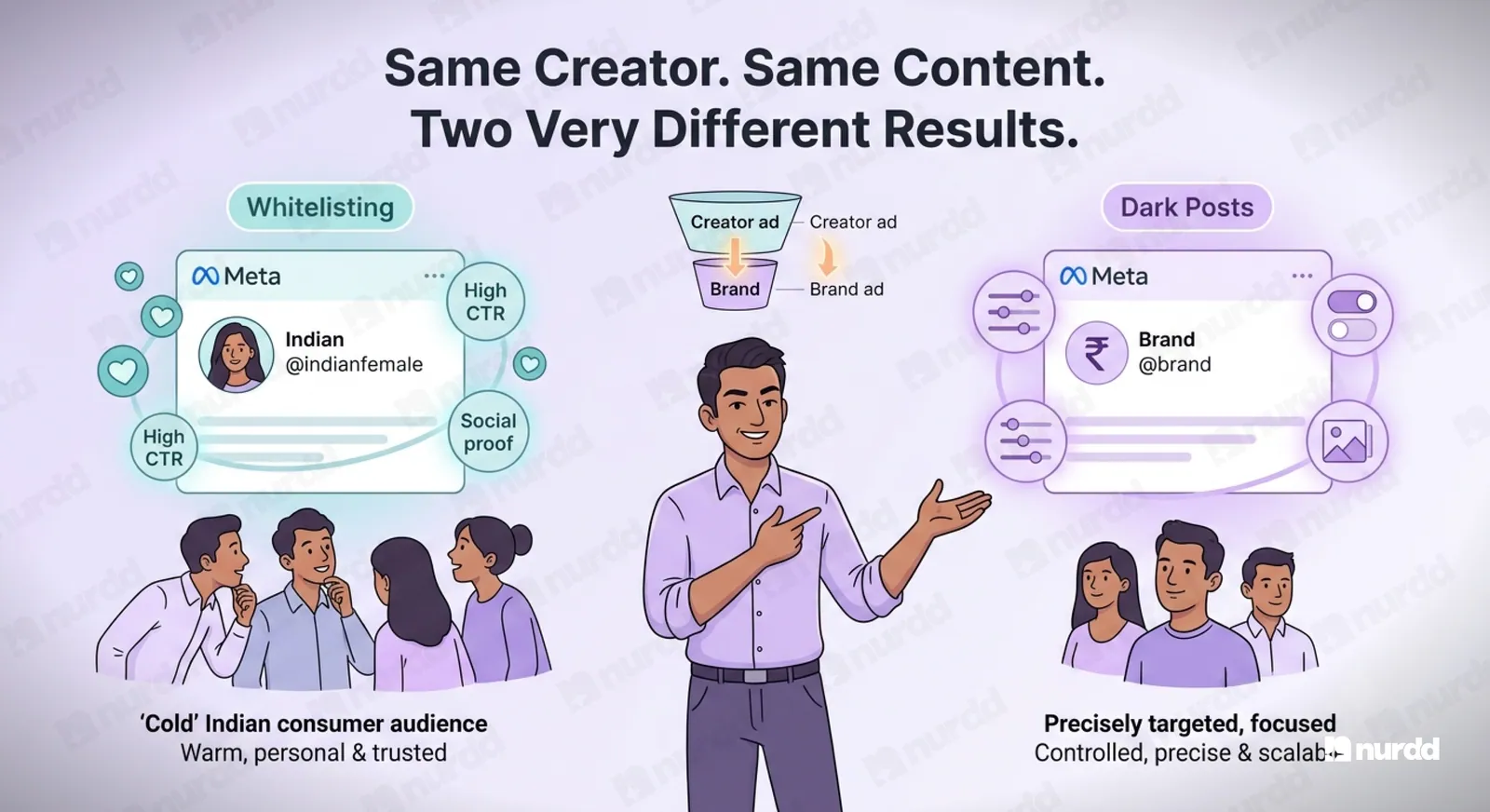
Whitelisting moves D2C sales more when trust is the barrier; dark posts win when targeting control and creative volume matter. The strongest structure is hybrid: use whitelisted ads to build trust with cold audiences, then retarget engaged users with dark posts from the brand account.
Two strategies. Same creator. Very different results. Influencer whitelisting and dark posts are both ways to put paid media behind creator content, but they are built on completely different logic and most Indian D2C brands are using the wrong one for the wrong campaign.
What Whitelisting Actually Means
Whitelisting is when a creator grants your brand advertising access to their Meta account. You run paid ads from their handle not yours. The ad appears to come from the creator, not the brand. The creator's name, profile photo, and audience trust are all part of the ad unit.
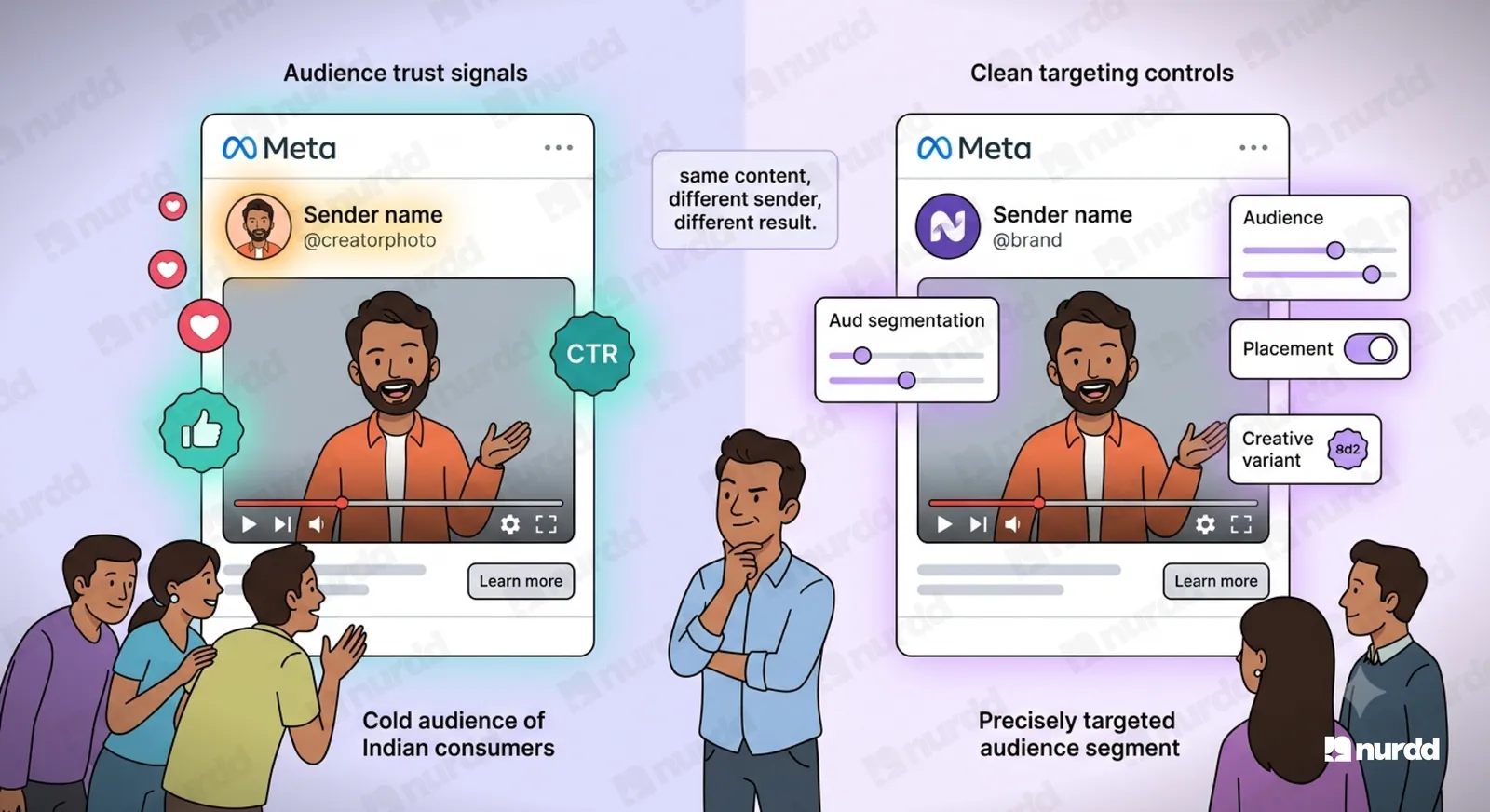
Dark posts are different. These are paid ads created from your brand's account using creator content their video, their face, their voice but the ad shows your brand handle, not theirs. The creator is a content asset, not the sender.
The distinction sounds subtle. The performance difference is not.
When Whitelisting Wins
Whitelisting outperforms dark posts when trust is the conversion barrier. Beauty, skincare, health supplements, parenting products categories where the buyer wants social proof from a real person, not a brand.
In India, this effect is amplified. Research from Meta India consistently shows that creator-attributed ads in vernacular health and wellness categories outperform brand-attributed ads on click-through rate by 40 to 60 percent. The creator is the trust signal.
Whitelisting also allows you to retarget the creator's existing followers people who already trust them with your product message. That audience is warmer than any cold audience you could buy.
Use whitelisting for: new product launches, trust-dependent categories, creator audiences that overlap significantly with your ICP, and campaigns where conversion rate matters more than raw reach.
When Dark Posts Win
Dark posts outperform whitelisting when you need creative volume and targeting control. Because the ad runs from your account, you control audience segmentation, placement, and creative testing completely.
For D2C brands running large-scale top-of-funnel campaigns fashion, electronics, home decor where the brand identity is already established and the goal is reach at low CPM, dark posts are the more efficient vehicle.
Dark posts also work better when you need to suppress content from an influencer's organic followers. If a creator has an audience that does not match your target buyer, dark posts let you use their content without inheriting their audience profile.
Use dark posts for: retargeting campaigns with high creative volume, categories where brand trust is already strong, testing multiple creative variants at scale, and campaigns where targeting precision matters more than sender trust.
The Hybrid Play Most Indian D2C Brands Miss
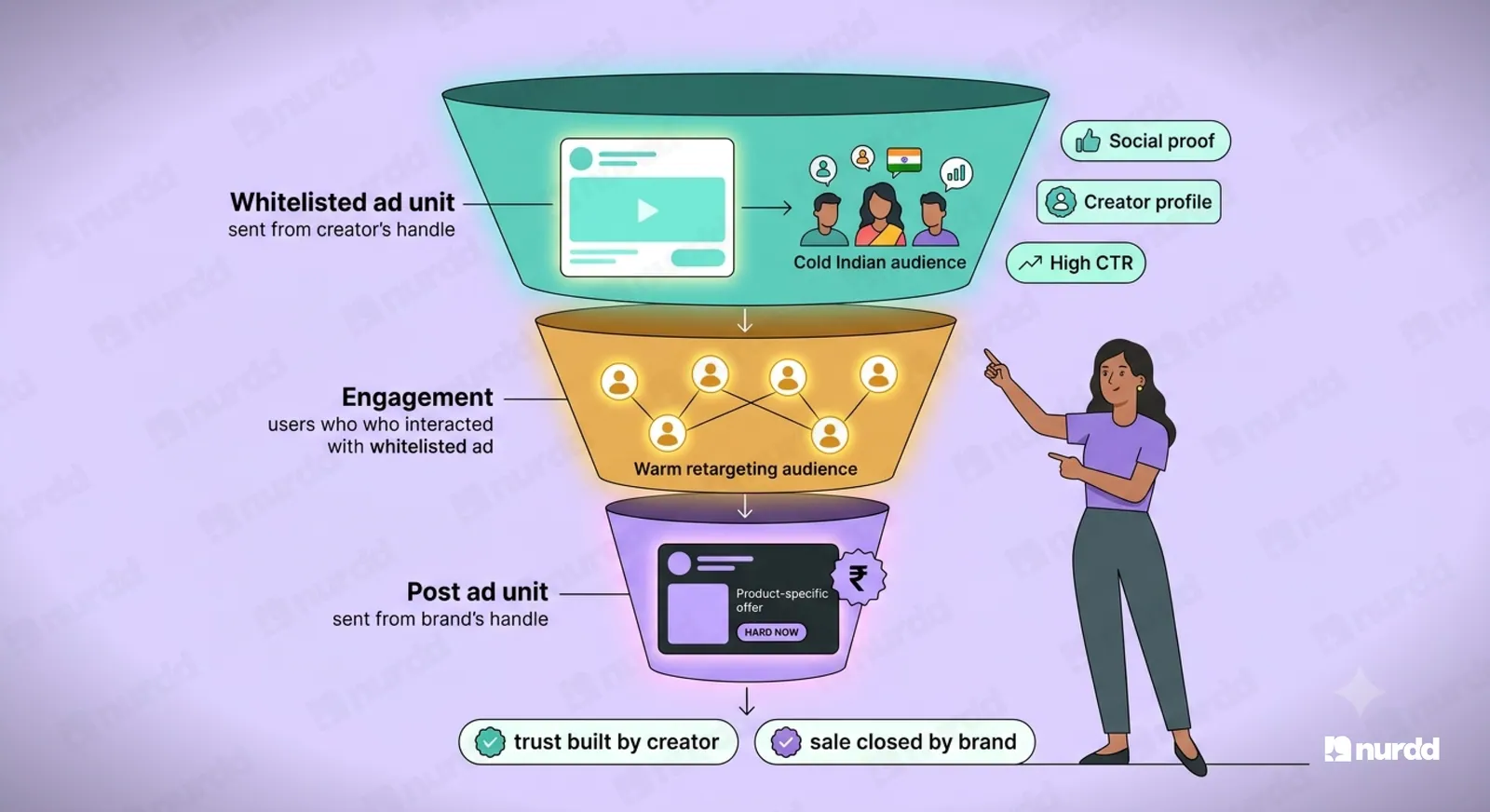
The most effective structure is not either-or. Run whitelisted ads from the creator's handle for cold audiences in trust-dependent categories. Once a user has engaged with that content, retarget them with dark posts from your brand account that show product specifics, offers, and a harder CTA.
The creator builds trust. Your brand closes the sale.
This funnel structure uses both formats for what they are each best at, and it consistently outperforms running either format alone across the full funnel.
The Contract Reality
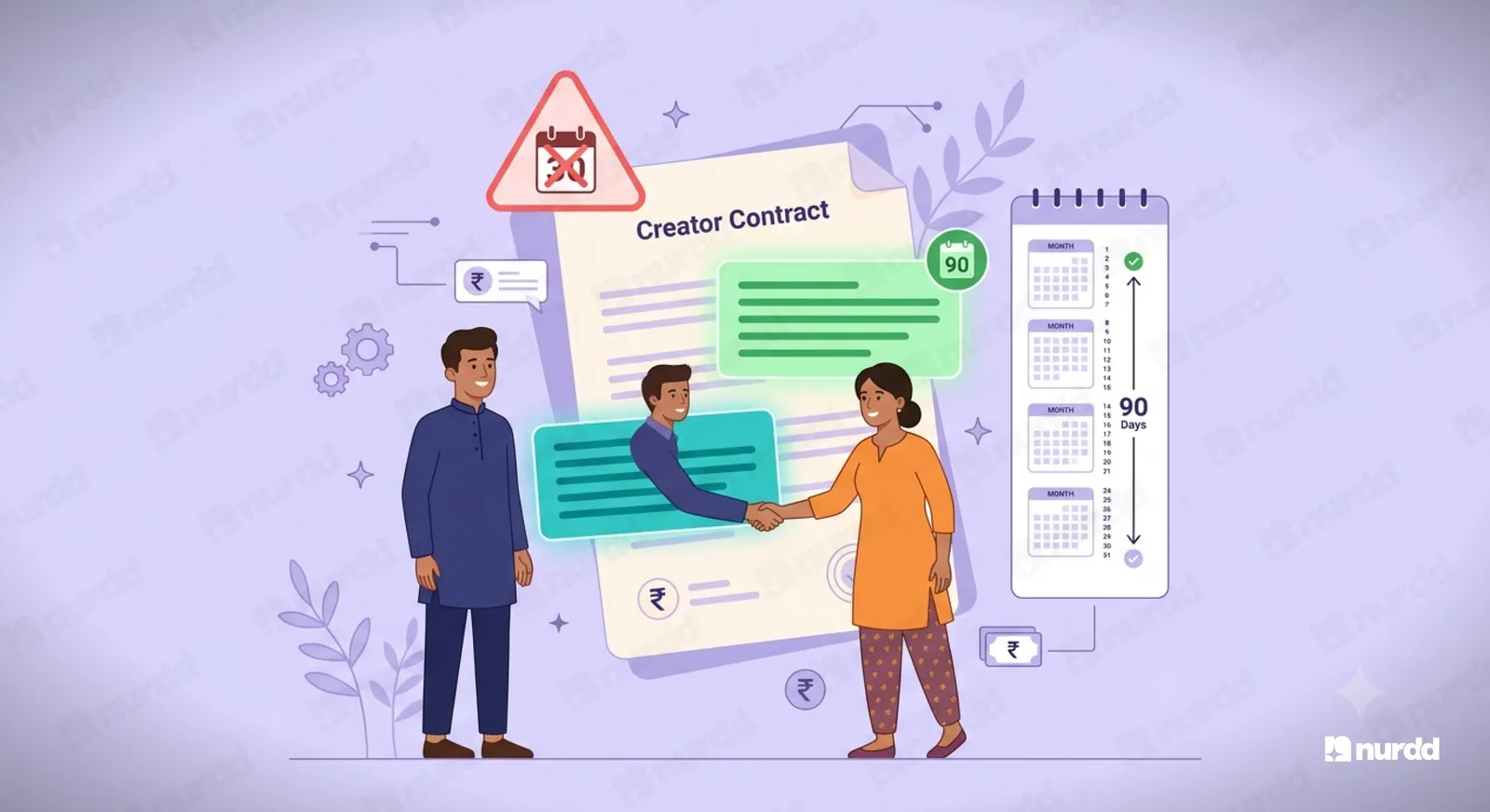
Whitelisting requires explicit permission in the creator contract. Most influencer contracts in India do not include whitelisting rights by default. Brands that do not negotiate these rights upfront pay significantly more to obtain them retroactively or lose the opportunity entirely.
Standard whitelisting windows are 30 to 90 days. Negotiate for 90 days minimum. This gives you enough runway to test creative, optimize audiences, and extract full value from the arrangement.
The creator builds the trust. Your brand closes the sale. Stop running everything from your own handle and wondering why nobody believes you anymore.
Sources & References
· Meta Business (2025) – Creator Whitelisting Best Practices | business.meta.com
· Kantar India (2025) – Trust and Conversion in Indian Digital Advertising | kantar.com/india
· Social Media Today (2025) – Dark Posts vs Whitelisting: Performance Benchmarks | socialmediatoday.com
· ASCI India (2025) – Digital Advertising Guidelines for Influencer Content | asci.in

Find the right creators — and verify they're real.
Nia gives brands access to 10M+ Indian creator profiles, TruAI fake follower detection, pre-spend ROI forecasting, and product-level sales attribution. Completely free.