Influencer Marketing Software India: What to Look For, What to Ignore, and What to Demand
 25 Jul 20267 min read
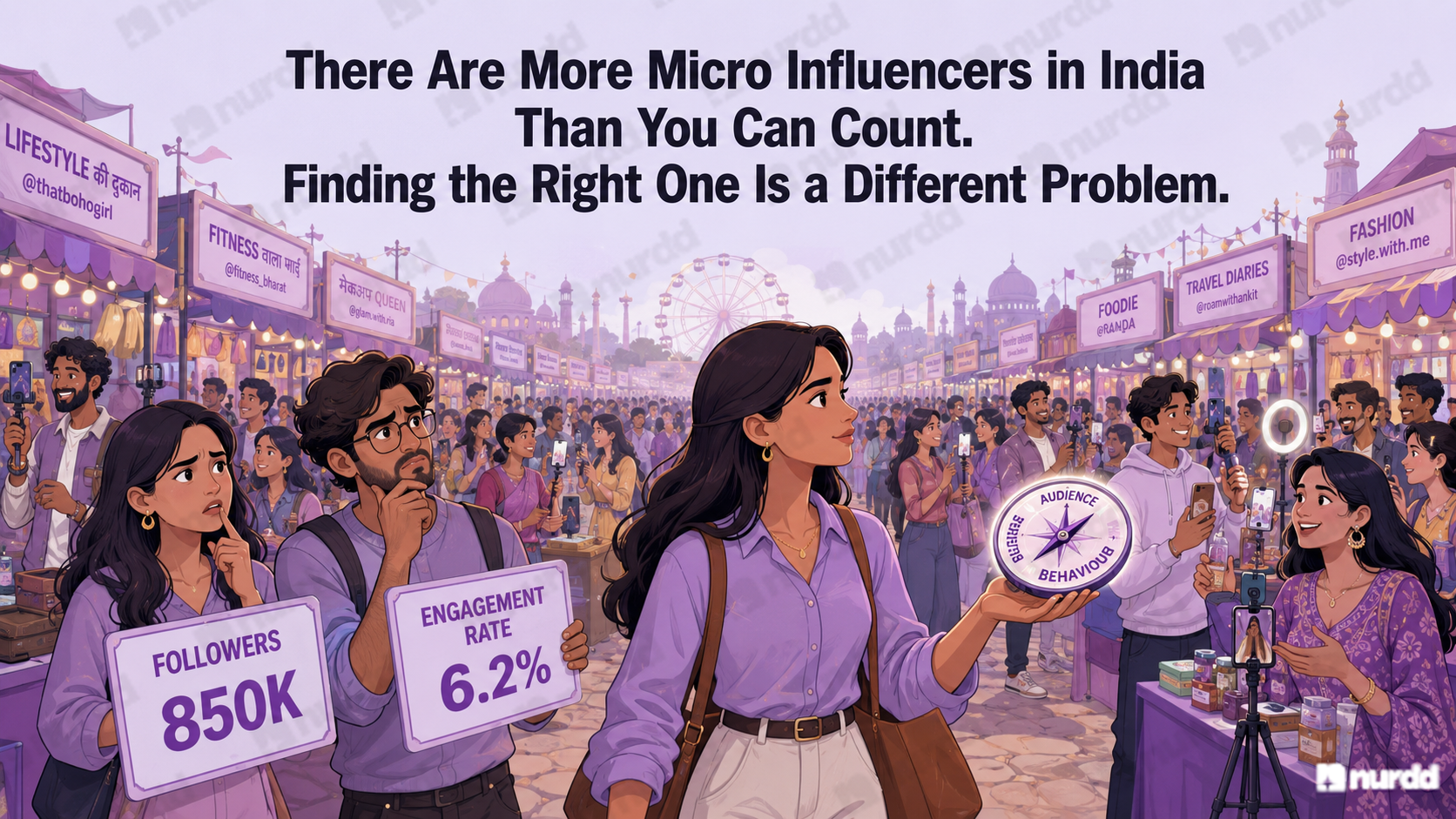
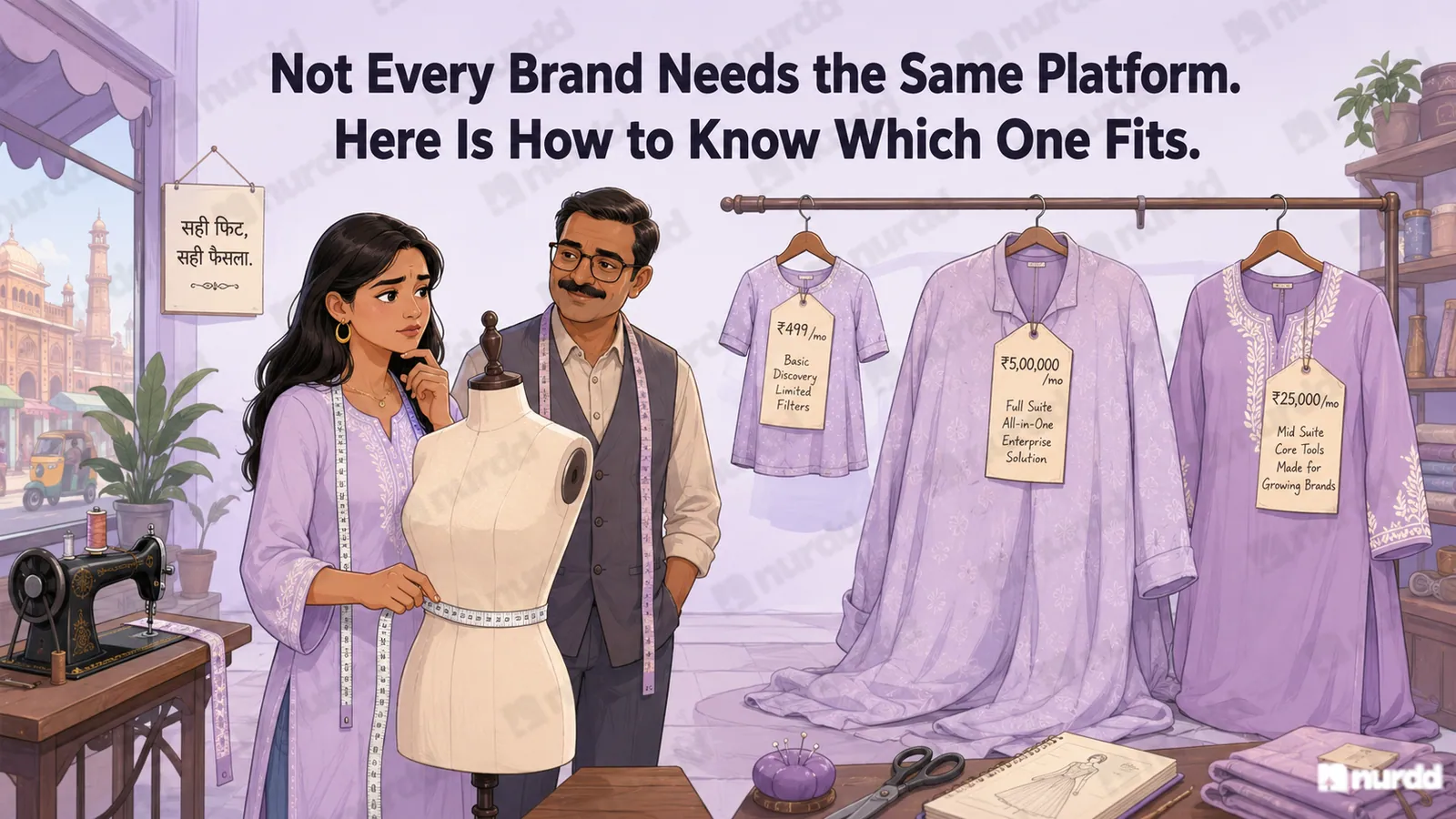
The influencer marketing software market in India has exploded. There are global platforms with Indian market add-ons, Indian-built platforms targeting D2C brands, and everything in between. Most of them are good at showing you the same three metrics: reach, engagement, and EMV. None of those metrics tell you if the campaign made you money.

The Features That Actually Matter for Indian D2C Brands
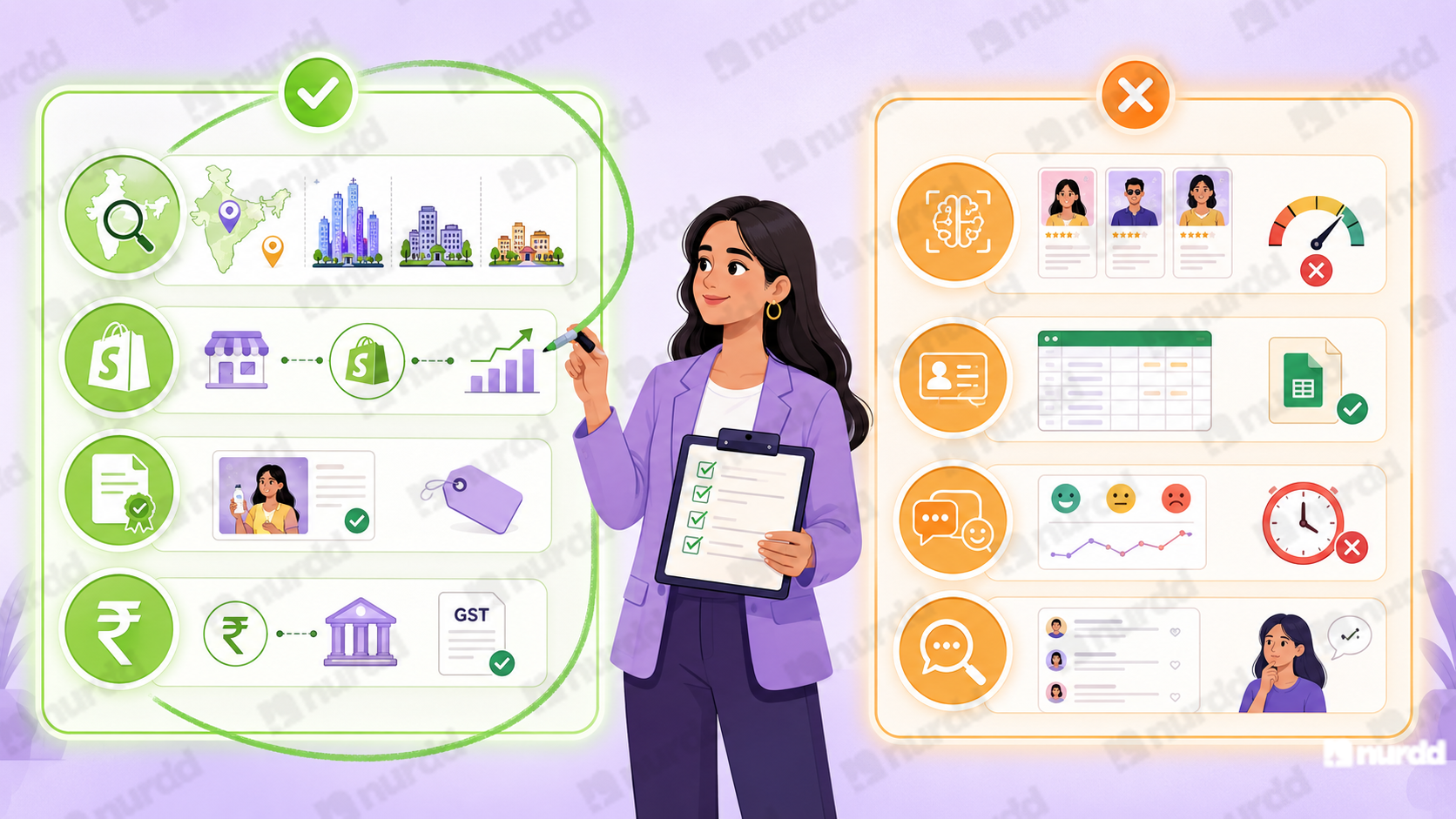
Indian creator database depth. A platform that covers 5 million global creators with 50,000 Indian ones is not an Indian influencer platform it is a global platform with an India tab. For D2C brands targeting Indian consumers, you need a platform with deep coverage of Indian creators across languages, Tier-1, Tier-2, and Tier-3 cities, and categories specific to the Indian market.
Revenue attribution, not just reach reporting. This is the single most important technical capability to ask about. Can the platform connect a creator's post to a specific purchase event in your Shopify or WooCommerce store? If the answer is anything other than yes, the platform is measuring influence, not impact.
ASCI compliance tracking. The Advertising Standards Council of India requires clear disclosure of paid partnerships. A platform that does not track whether creators have added the required disclosure labels to their posts is leaving your brand exposed to regulatory risk.
TDS and payment management for Indian creators. Paying creators in India involves TDS deduction at source, GST compliance, and invoicing requirements that do not apply in most other markets. A platform without India-specific payment infrastructure means your finance team is still doing this manually.
The Features You Are Probably Paying For That You Do Not Need
AI-generated content scoring. Most platforms offer an AI score that purports to tell you how 'good' a piece of creator content is. This score typically measures aesthetic elements composition, colour grading, caption quality not conversion potential. Do not make hiring decisions based on it.
Influencer relationship management CRM for brands under 50 active creators. Below this threshold, a CRM feature adds complexity without meaningful benefit. A shared spreadsheet with consistent fields does the same job.
Sentiment analysis on comments. This sounds impressive and is almost never actionable. The time spent interpreting comment sentiment data is better spent reading five actual comments yourself.
The Questions to Ask Before Signing Any Contract
Does your platform show revenue per creator, or just reach and engagement? How do you handle UTM generation and attribution? Do you have native integration with Shopify, WooCommerce, or the commerce platform we use? What does your Indian creator database look like how many creators, in which languages, in which cities? How do you handle ASCI compliance tracking? What does your payment and TDS infrastructure look like for Indian creators?
If the sales representative cannot answer any of these questions clearly, the platform was not built for Indian D2C commerce. It was built for global brand awareness campaigns and retrofitted for India.
Every influencer platform will show you beautiful dashboards with reach and engagement numbers. Ask them one question: can you show me the revenue? The answer tells you everything.

Sources & References
ASCI India (2025) – Influencer Advertising Guidelines and Compliance | asci.in
Inc42 (2025) – Influencer Marketing Software Landscape India | inc42.com
Influencer Marketing Hub (2025) – Platform Comparison Report | influencermarketinghub.com
Nia, Nurdd (2026) – Indian D2C Influencer Platform Evaluation Framework | nurdd.club/blogs

Find the right creators — and verify they're real.
Nia gives D2C brands access to 10M+ Indian creator profiles, TruAI fake follower detection, pre-spend ROI forecasting, and product-level sales attribution. Completely free.