Schema Markup for D2C Brands: What AI Search Engines Actually Read
 7 May 20267 min read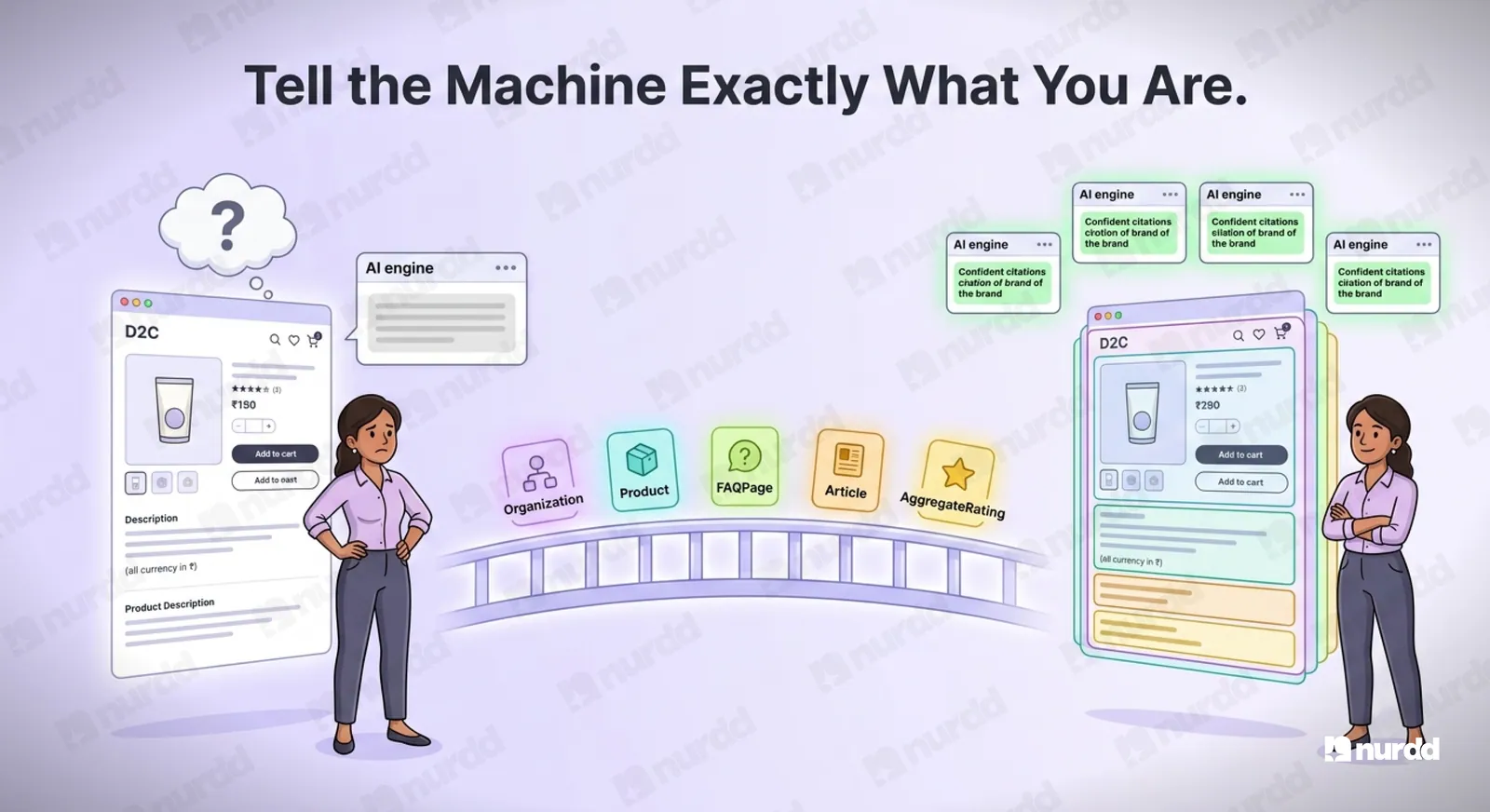
AI search engines read JSON-LD schema identifying organizations, products, FAQs, articles, and genuine ratings, including prices, availability, authors, dates, and question-answer text. Add it to the relevant pages, keep ratings visible on-page, and validate it with Google’s Rich Results Test, Schema.org Validator, and Search Console.
Schema markup is structured data: a standardized vocabulary you add to your website's HTML that tells search engines and AI engines exactly what your content is about. Without it, a search engine reads your product page and has to infer what it contains. With it, you are explicitly telling the engine: this is a product, it costs this much, it has this rating, and here are the answers to common questions about it.
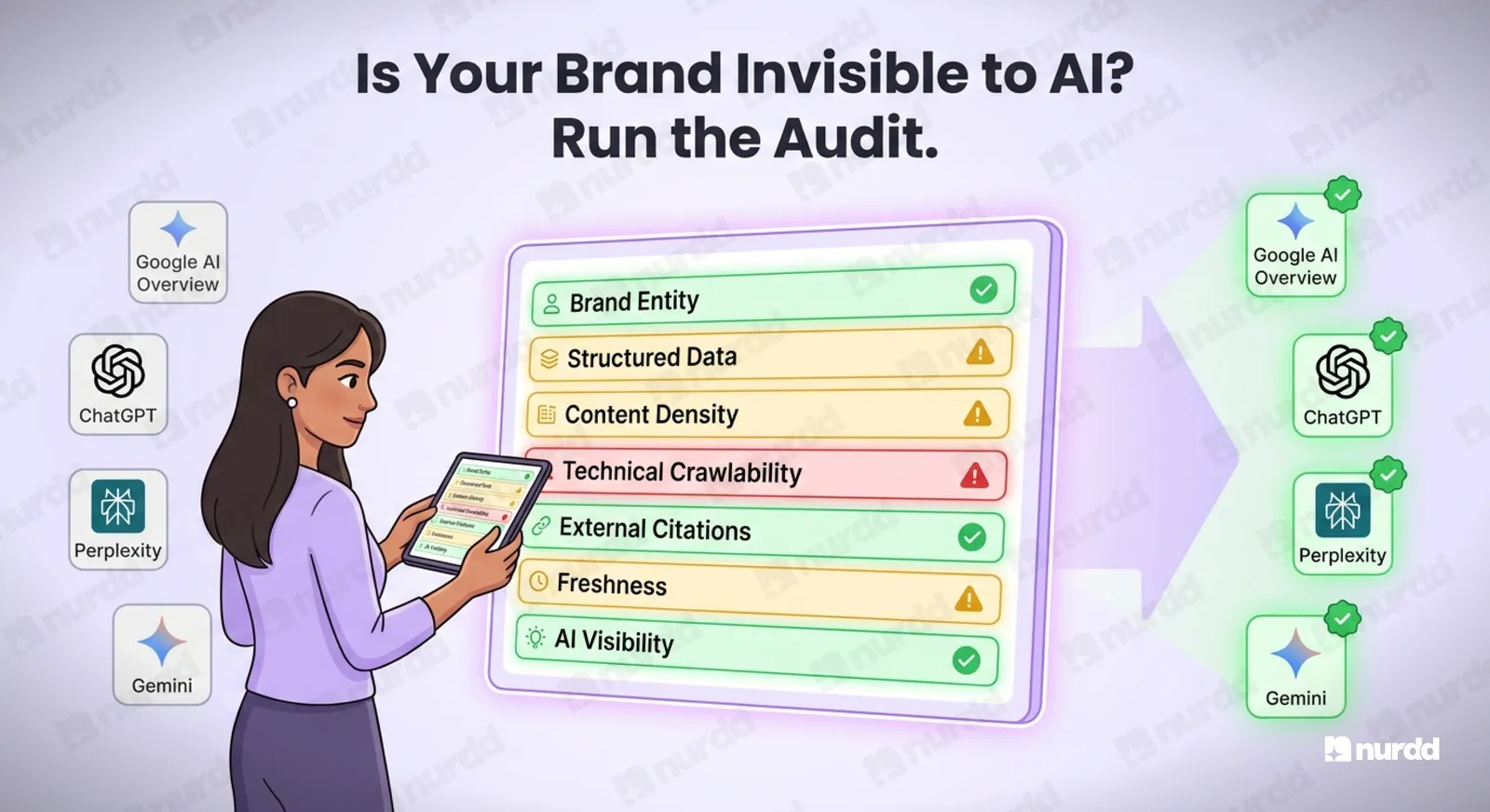
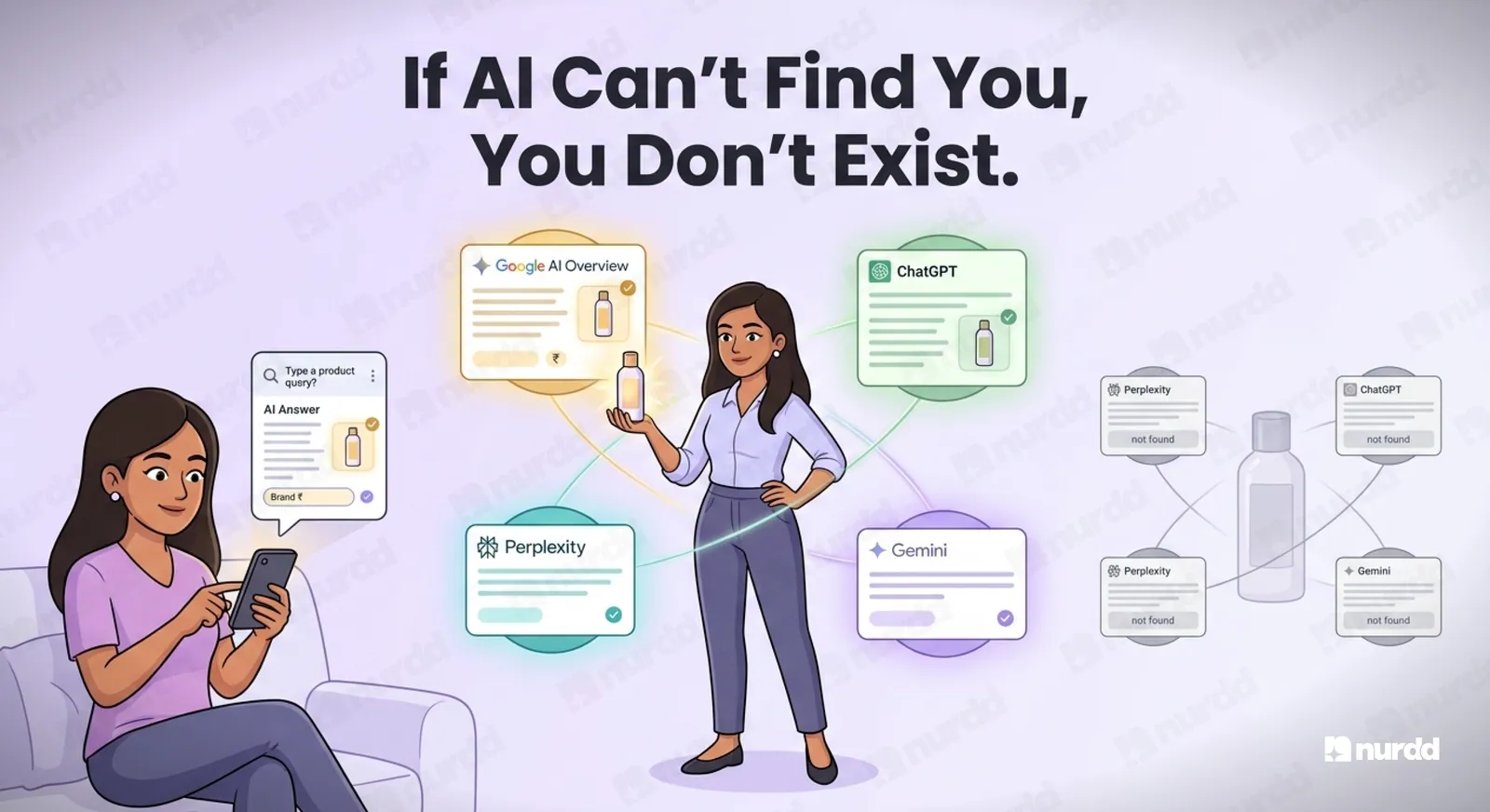
In 2026, schema markup is not a technical SEO nicety. It is a foundational requirement for AI search visibility. AI engines that generate answers from web content rely heavily on structured data to identify, extract, and cite relevant information accurately.
This guide covers the specific schema types that matter most for D2C brands and how to implement them correctly.

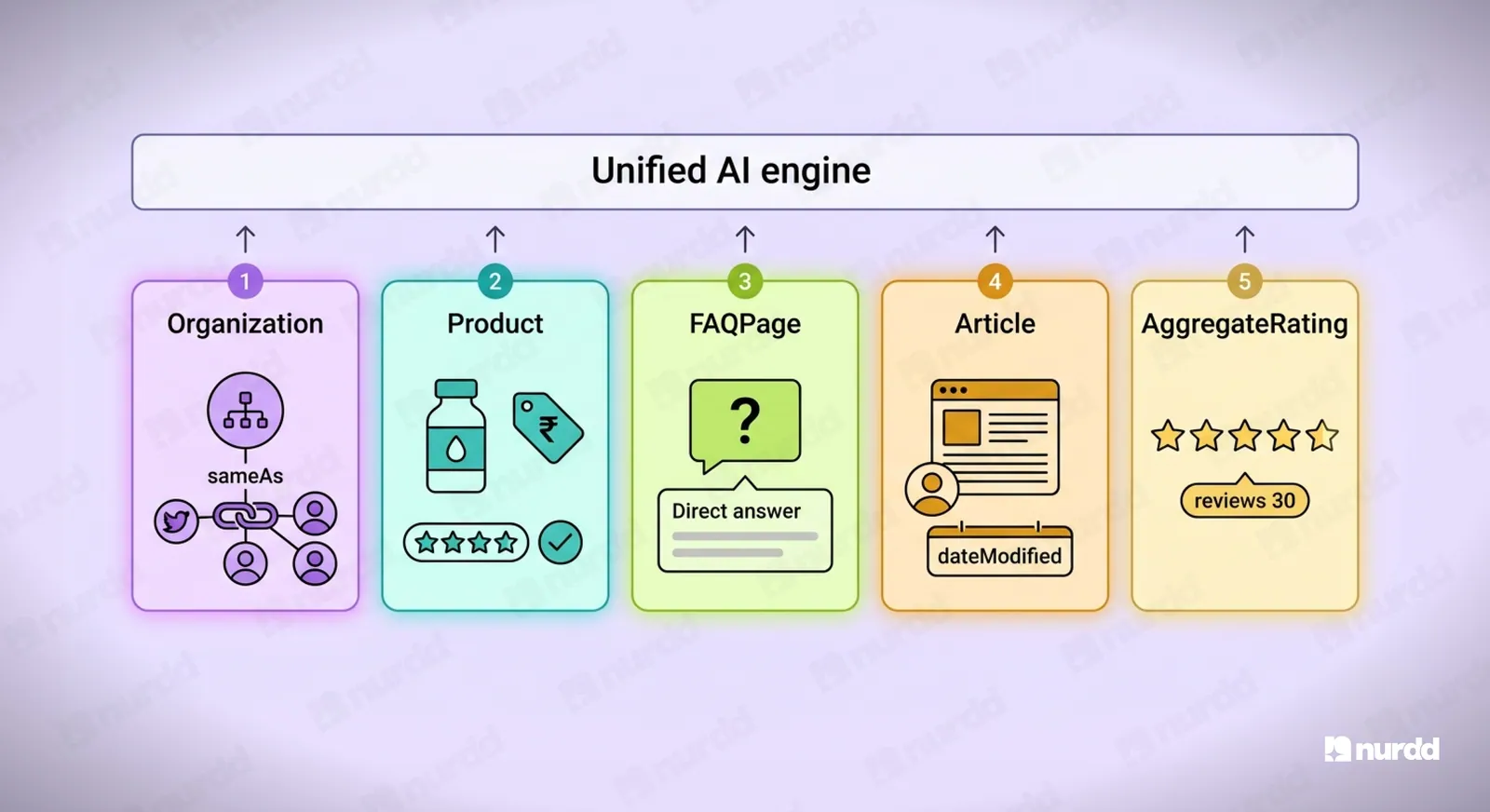
The Five Schema Types Every D2C Brand Needs
1. Organization Schema
What it does: Establishes your brand as a named entity with a clear digital identity. This is the foundation that allows AI engines to recognize and cite your brand across queries.
Where to implement: Homepage only.
Required fields: name, url, logo (image URL), contactPoint (phone or email), sameAs (links to your social media profiles, Crunchbase, LinkedIn Company page).
The sameAs property is particularly important. It links your brand entity to your presence across the web, which is how AI engines confirm that the brand mentioned in a Perplexity answer is the same brand at your URL.
2. Product Schema
What it does: Tells AI engines exactly what your product is, what it costs, how it is rated, and who makes it. This is the primary schema for D2C product pages.
Where to implement: Every individual product page.
Required fields: name, brand, description, offers (price, priceCurrency, availability), aggregateRating (ratingValue, reviewCount).
Optional but high-value fields: gtin (your product's barcode), material (for apparel or packaging), nutrition (for food and supplement products using Nutrition Information schema), ingredients (for food products).
Common mistake: Setting availability to Out-Of-Stock on product pages even temporarily. Out-of- stock products are deprioritized in AI answer generation for purchase-intent queries.
3. FAQ Page Schema
What it does: Marks up your FAQ content so AI engines can directly extract and cite specific question-answer pairs. This is the highest-return schema investment for AEO.
Where to implement: Any page with a FAQ section. Priority pages: product pages, category pages, and key blog posts.
Structure: Each FAQ is a Question entity with a name (the question text) and an accepted Answer with a text property (the answer). The entire FAQ section is wrapped in a FAQ Page type.
Content requirements: Questions must be real questions your customers ask. Answers must be direct (1 to 3 sentences). Do not use marketing language in FAQ answers. AI engines cite FAQ answers verbatim, so write them as information, not as copy.
4. Article or Blog Posting Schema
What it does: Identifies your blog content as credible, authored content with a known publication date, making it eligible for AI citation in informational query responses.
Where to implement: Every blog post page. Required fields: headline, author (with name and url for the author), publisher (with name and logo), datePublished, dateModified (update this every time you update the article).
The dateModified field is critical for freshness signals. AI engines use this to assess content recency. If you update a blog post but do not update the dateModified in your schema, the AI engine may still treat it as old content.
5. Review Schema (AggregateRating)
What it does: Surfaces your product's rating directly in AI answers, making the AI more likely to cite your product when recommending options based on quality.
Where to implement: Product pages with genuine customer reviews. Never implement fake or inflated ratings. Google and AI engines cross-reference ratings data and inconsistencies damage trust signals.
Required fields: ratingValue, bestRating, worstRating, reviewCount.
Important: Only use AggregateRating schema if your rating data is real and on-page. Do not add schema for ratings that are not displayed to users on the page.
How to Implement Schema Markup
There are three methods, in order of preference:
Method 1: JSON-LD in the page head
JSON-LD is Google's recommended format. It is a block of JavaScript placed in your page's head tag that contains all schema data in a clean JSON format separate from your HTML content. This is the easiest to maintain, the least likely to break during site updates, and the format all major AI engines prefer.
For Shopify brands: Install a schema app from the Shopify App Store that handles Product Organization, and Review schema automatically. Add custom FAQPage schema manually using a liquid template or via your theme's Additional Scripts section.
For WooCommerce brands: The Yoast SEO premium plugin handles most schema types. Add FAQPage schema manually via the SEO settings for individual posts and pages.
Method 2: Microdata inline
Microdata embeds schema attributes directly in your HTML elements. More complex to implement and maintain, but achieves the same result. Not recommended for teams without dedicated developer resources.
Method 3: Google Tag Manager
You can inject JSON-LD schema via GTM as a Custom HTML tag. Useful for adding schema to pages where you cannot access the source code directly, but the schema fires only after JavaScript loads, which some crawlers may not execute.
Validating Your Schema Implementation
After implementing any schema, validate using three tools:
• Google's Rich Results Test at search.google.com/test/rich-results: Tests for schema validity and rich result eligibility
• Schema.org Validator at validator.schema.org: Validates schema against the full schema.org specification
• Google Search Console: Shows which schema is detected across your site and flags errors under Enhancements
Any schema errors shown in Google Search Console should be treated as urgent. Broken schema is actively harmful because it signals poor technical quality to AI engines.
Schema Maintenance: What Most Brands Get Wrong
Schema is not a one-time task. It degrades over time as prices change, products go out of stock, reviews accumulate, and content is updated.
Set a monthly schema maintenance check:
• Are all product prices in your Product schema current?
• Are out-of-stock products marked as OutOfStock in availability?
• Are review counts and ratings up to date?
• Are dateModified fields updated for any recently refreshed content?
Schema markup is the bridge between your website and the AI engine's understanding of your brand. Without it, the AI has to guess. With it, you are explicitly telling the machine exactly what you are, what you sell, what people think of you, and what questions you answer. In AI search, clarity wins. Schema creates clarity.

Sources and References
Schema.org (2025) – Organization Type Documentation and sameAs Property | schema.org/Organization
Schema.org (2025) – FAQPage and Question Type Documentation | schema.org/FAQPage
Google Search Central (2025) – JSON-LD Structured Data Documentation | developers.google.com/search
Google Search Central (2025) – AggregateRating Structured Data Guidelines | developers.google.com/search
Yoast SEO (2025) – Schema Documentation for WooCommerce | yoast.com
Schema.org Validator (2025) – Official Schema Validation Tool | validator.schema.org

Is your brand showing up in AI search answers?
Noma tracks whether ChatGPT, Perplexity, Gemini, Claude, and Grok mention your brand when customers ask category questions — and shows you exactly how to improve your AI visibility.