What is Generative Engine Optimization (GEO)? The Complete Guide
 9 Mar 20267 min read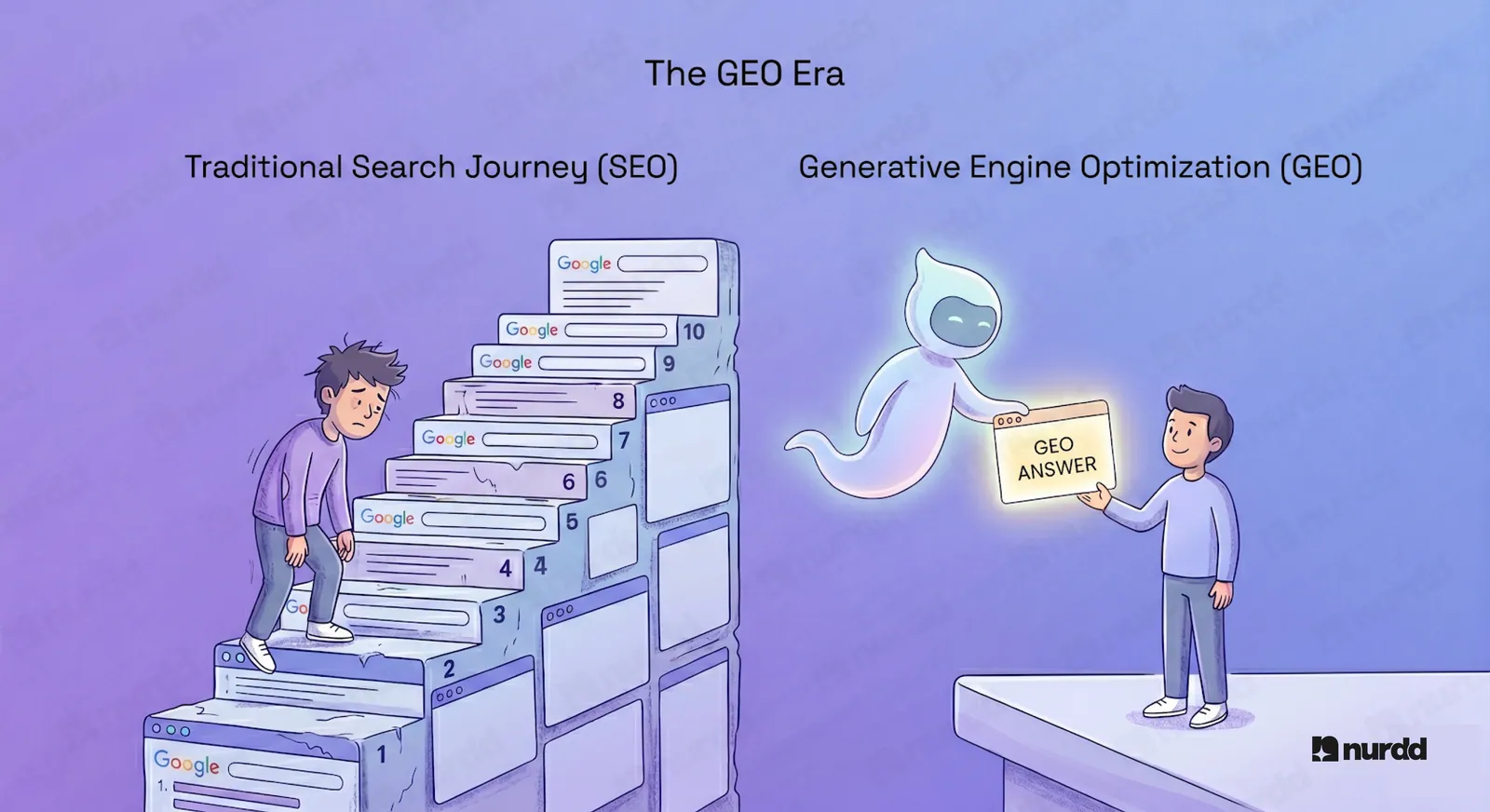
Generative Engine Optimization (GEO) is the practice of making your brand, product, or content more likely to be cited, recommended, or mentioned in AI-powered answer engines. It focuses on clear entity definitions, structured data, answer-ready content, and trusted third-party citations rather than traditional search rankings alone.
Generative Engine Optimization (GEO) is the practice of making your brand, product, or content more likely to be cited, recommended, or mentioned by AI-powered answer engines — such as ChatGPT, Perplexity, Google Gemini, and Claude.
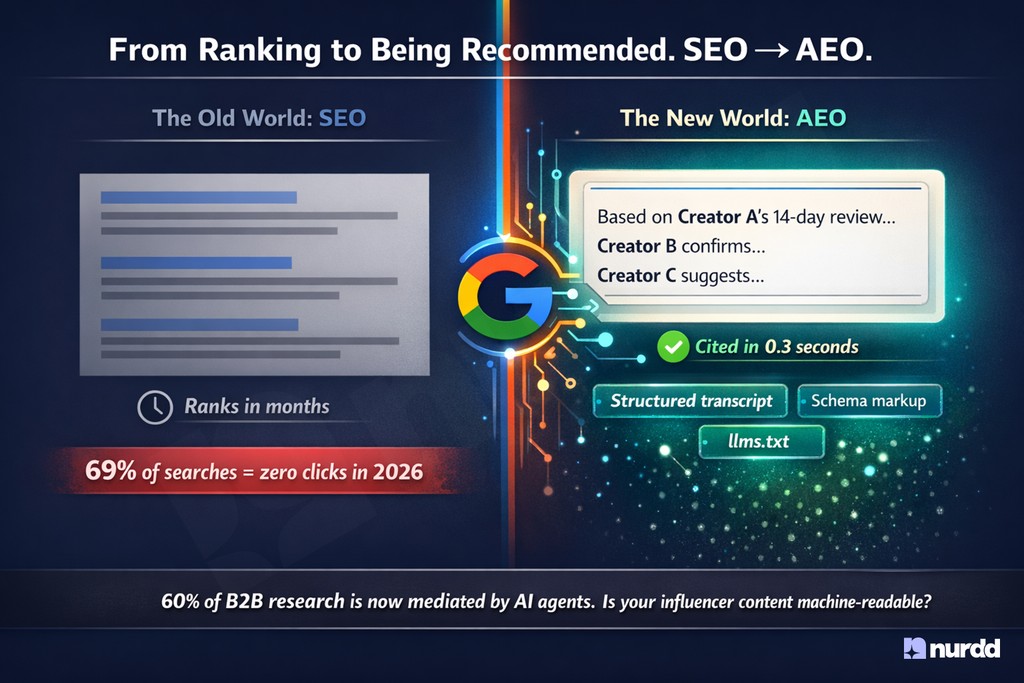
Unlike traditional SEO, which targets keyword rankings in blue-link search results, GEO targets inclusion in the AI-generated answers that increasingly replace those results. When someone asks ChatGPT "what's a good skincare brand for oily skin?" — the AI doesn't show ten links. It generates a recommendation. GEO is the discipline of making sure your brand is in that recommendation.
Why GEO Matters More Than SEO in 2025
Search behaviour is shifting faster than most marketers realise. AI Overviews now appear in over 84% of Google searches in tested categories. Perplexity processes over 100 million queries per week. ChatGPT has over 200 million weekly active users using it as a search engine.
The consequence: even if you rank #1 on Google, users asking the same question in ChatGPT may never see your result — because the AI generates its own answer from sources it has indexed or retrieved. For brands, this means the playing field has shifted. A competitor with worse SEO but better-structured, more authoritative, more cited content can dominate AI answers and capture customers who never see a traditional search result.
How AI Engines Decide What to Cite
AI answer engines use a combination of sources to generate recommendations:
- Training data — content included in the model's original training corpus
- Real-time retrieval (RAG) — live web search at query time (used by Perplexity, Bing Copilot, and ChatGPT with browsing)
- Entity recognition — whether the AI understands what your brand is and what category it belongs to
- Citation frequency — how often your brand is mentioned in trusted sources the AI has indexed
The implication is that GEO is not one tactic — it is a system. You need to be findable, understandable, credible, and frequently cited to achieve consistent AI visibility.
The 5 Core Pillars of GEO
1. Entity Definition
AI engines build knowledge graphs of named entities. Your brand needs to be a clearly defined entity — with a consistent name, category, description, founding date, location, and products — across your website, structured data (JSON-LD), and third-party sources like LinkedIn and Crunchbase.
2. Structured Data (Schema Markup)
JSON-LD schema markup on your website tells AI crawlers exactly what you are. Organization schema defines your brand. SoftwareApplication schema defines your product. FAQPage schema feeds your Q&As directly into AI answer pools. This is foundational — and most brands still don't have it.
3. Answer-Ready Content
AI engines prefer content that directly answers questions. Clear definitions at the top of articles, structured headings, short explanatory paragraphs, and bullet lists all help. A 3,000-word essay burying the answer in paragraph nine gets skipped. A focused article that answers the question in its first paragraph gets cited.
4. llms.txt
An emerging standard, llms.txt is a plain-text file (like robots.txt) placed at yourdomain.com/llms.txt that gives AI crawlers a structured summary of your brand, products, and content. Perplexity, Anthropic, and several other AI companies have announced support. Publishing a well-written llms.txt is one of the fastest wins available to most brands today.
5. Third-Party Citations
AI models give significant weight to being mentioned in trusted third-party sources. Product reviews on G2, Capterra, and ProductHunt. Press coverage. Analyst reports. LinkedIn articles by founders. Each creates a signal that your brand is real, established, and worth recommending.
How to Measure Your AI Visibility
Most brands have no idea whether they appear in AI answers for their category. Measuring this requires systematically querying AI engines with category-level prompts and tracking whether your brand is mentioned — and in what position.
This is exactly what Noma by Nurdd does. Noma is a web dashboard built specifically to track brand visibility in AI engine answers across ChatGPT, Perplexity, Gemini, and others. It shows your citation frequency, how you compare to competitors, and what changes would most improve your AI visibility score. The 14-day free trial requires no credit card.
GEO vs SEO: Key Differences
| SEO | GEO |
|---|---|
| Keyword ranking in SERPs | Brand citation in AI answers |
| Backlinks from other domains | Entity mentions in trusted sources |
| Page speed and Core Web Vitals | Structured data completeness |
| Click-through rate optimisation | Answer completeness and clarity |
| Search Console for measurement | Real-time AI answer monitoring |
Getting Started With GEO: Priority Order
- Add
OrganizationJSON-LD schema to your homepage — define name, URL, description, logo, and sameAs links - Rewrite your homepage meta description as a complete definition: "[Brand] is a [category] that [what it does] for [who]"
- Publish a
llms.txtfile with a plain-English summary of your brand and products - Expand your FAQ section with the exact questions AI engines get asked about your category
- Build third-party citations: G2 listing, Crunchbase profile, LinkedIn company page
- Measure your starting AI visibility so you can track progress over time
GEO is early. The brands investing in it now will own the AI answer layer — and that layer is rapidly becoming where purchasing decisions begin.

Is your brand showing up in AI search answers?
Noma tracks whether ChatGPT, Perplexity, Gemini, Claude, and Grok mention your brand when customers ask category questions — and shows you exactly how to improve your AI visibility.