Why Your Best-Performing Creator Post Got Zero Sales (And What to Do Differently Next Time)
 21 May 2026 7 min read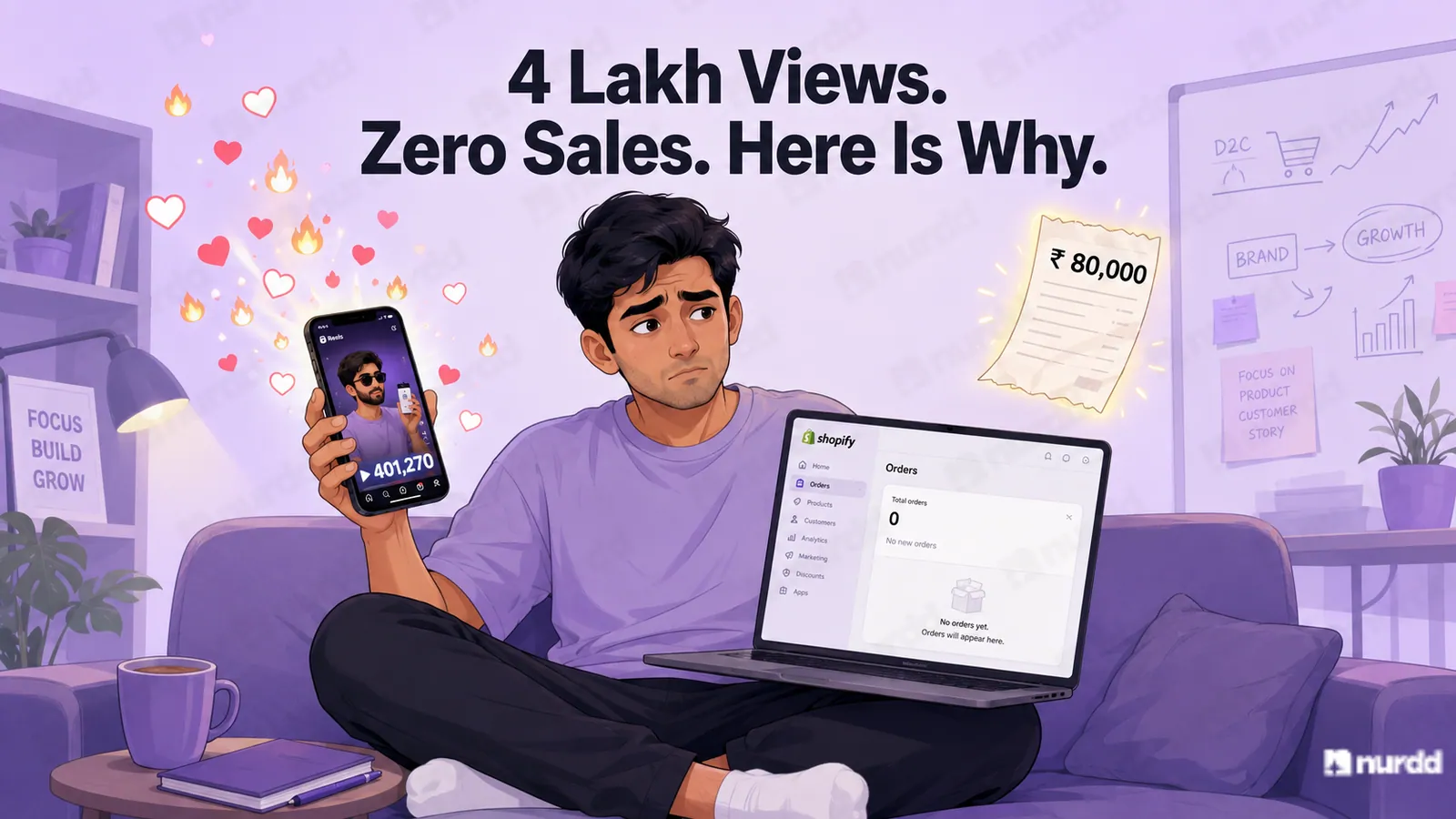
Your post got views but no sales because audience engagement was directed at the creator, not purchase intent, and the brief featured the product without giving viewers a reason to buy. Next time, build the content around a specific problem, use an effortless CTA, share real customer context, and match the platform to your goal.
Imagine spending ₹80,000 on a creator campaign. The reel hits 4 lakh views. Comments are flooded with heart emojis. The creator messages you personally: "That one really resonated!" You refresh your Shopify dashboard every 20 minutes for three days.
This is not an edge case. It is the most common outcome in influencer marketing in India right now, and the brands experiencing it have no idea why. They blame the creator. They blame the category. Some just quietly stop doing influencer marketing altogether.
The actual problem is simpler and more fixable than any of those conclusions.
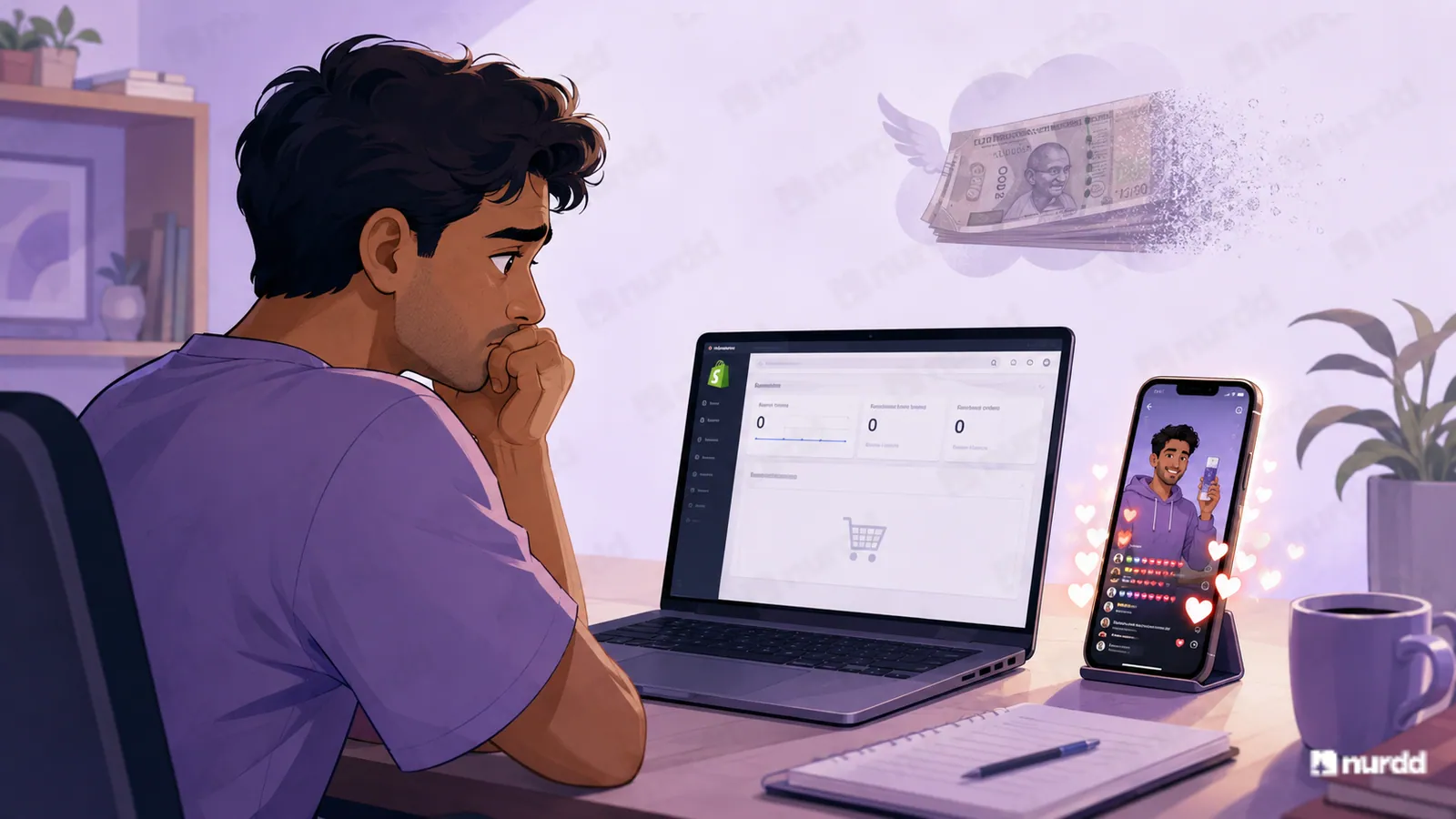
Engagement and purchase intent are two completely different things
A creator's audience can love a post and have zero intention of buying what is in it. This is the most under-discussed fact in influencer marketing.
When a beauty creator posts a skincare routine with your face wash, her audience reacts to her. Her story. Her skin. Her editing style. The product is a prop in that reaction. The average viewer watches that video, feels good about the creator, and moves on with their day.
This is not a failure of the creator. It is a failure of the brief.
Most brand briefs ask creators to "feature" the product. Few briefs ask creators to build a reason to buy. Those are not the same instruction.
The brief is where campaigns actually win or die
High-performing creator briefs do three things that most briefs skip entirely.
First, they give the creator a specific problem to solve on camera. Not "talk about our face wash." Instead: "Talk about the one skincare mistake you made for years before you figured out what actually worked." The product is the answer to that problem. That framing turns a product feature into a solution story.
Second, they include a friction-reducing CTA. "Link in bio" is the laziest CTA in marketing and it costs brands crores every year. A viewer excited enough to buy still needs to feel like the next step is effortless. A discount code personalised to the creator, a direct product link in the caption, a story swipe-up: these convert. A vague gesture toward a bio that contains 11 other links does not.
Third, they tell the creator something specific about who buys the product and why. The more context a creator has about real customers, the more naturally they translate that story to their audience. Sending a product without context is like asking a writer to review a book they haven't read.
Platform matters more than most brands admit
A creator with 5 lakh followers on Instagram and a creator with 5 lakh subscribers on YouTube are not interchangeable media buys even if they are the same person.
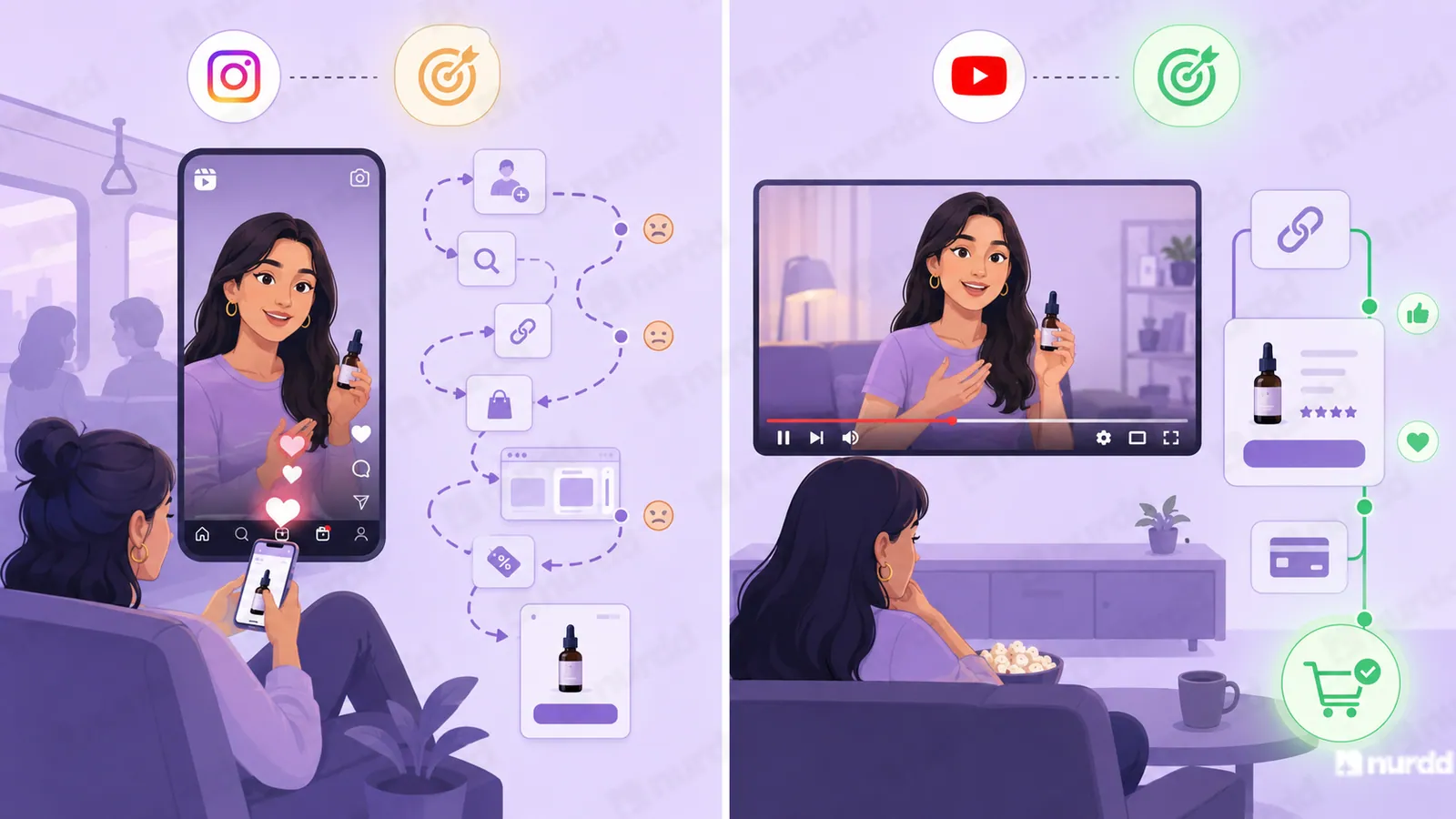
Instagram Reels audiences are in browse mode. They are swiping, discovering, feeling. The attention span is short and the path to purchase is two taps away at best.
YouTube audiences sit down to watch. They are in learn mode or entertainment mode. The path to purchase is longer but the intent is often stronger. When a YouTuber spends eight minutes demonstrating a product, the viewer who stays to the end is far more purchase-ready than someone who double-tapped a reel in a waiting room.
Matching the campaign goal to the platform is not optional. If you want awareness, Reels and Shorts make sense. If you want conversion, longer-form content with clear walkthrough moments outperforms every time.
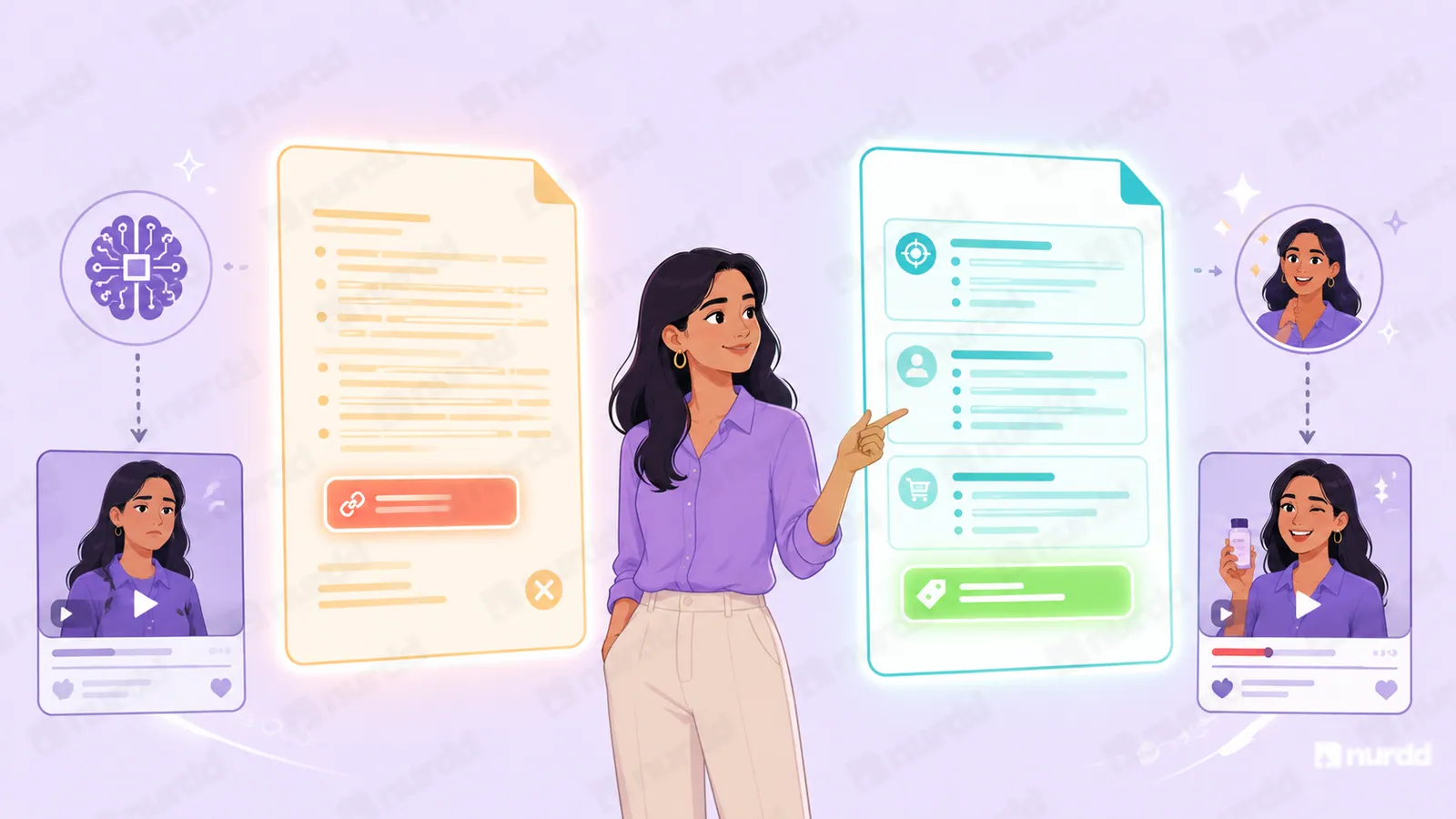
What a different brief actually looks like
Here is the difference in practice.
Weak brief: "Post a reel using our coffee brand. Show it in your morning routine. Use #MorningWithBrand."
Strong brief: "You've tried a lot of coffees. What was the moment you realised most instant coffee tastes like regret? Show that moment. Then show what changed. We want viewers to feel the before and after, not just see the product."
The second brief gives the creator a narrative. It gives the viewer a reason to care before the product appears. And it gives your brand a piece of content that earns attention rather than borrowing it.
The campaign that follows a strong brief does not always go viral. But it consistently outperforms on sales, repeat visits, and brand search volume, which are the numbers that actually matter.
A viral reel with no sales is not a creator problem. It is a brief that confused awareness with intent.
Sources & References
1. Meta Business Insights: Creator Commerce Report 2024 https://www.facebook.com/business/news/creator-commerce
2. Influencer Marketing Hub: India Creator Economy Report 2024 https://influencermarketinghub.com/influencer-marketing-statistics/
3. Kantar BrandZ India 2024: D2C Brand Health Study https://www.kantar.com/campaigns/brandz/india
4. Redseer Strategy Consultants: Social Commerce in India 2024 https://redseer.com/reports/

Find the right creators — and verify they're real.
Nia gives brands access to 10M+ Indian creator profiles, TruAI fake follower detection, pre-spend ROI forecasting, and product-level sales attribution. Completely free.