I Asked ChatGPT, Perplexity, and Gemini to Recommend a Sunscreen. Here's What They Said (And Why One Brand Won Every Time)
 23 May 20267 min read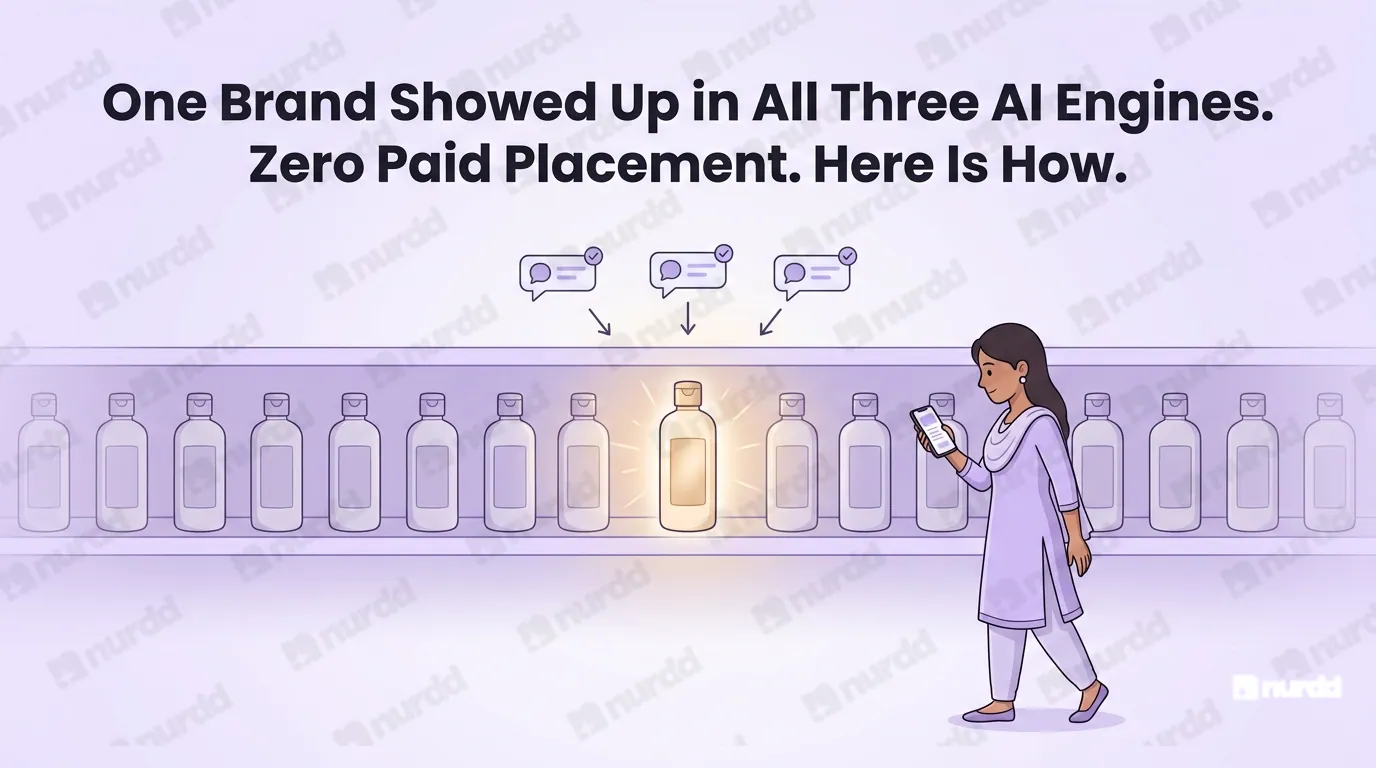
One sunscreen brand appeared in ChatGPT, Perplexity, and Gemini’s recommendations, but its name is not disclosed. It stood out through detailed ingredient information, credible third-party reviews, and honest product FAQs.
I typed the same question into three AI engines: "What is the best sunscreen for oily skin in India under Rs.500?"
ChatGPT gave me five options with brief explanations. Perplexity gave me a ranked list with source citations. Gemini gave me a comparison with skin-type guidance. All three answers were different in format and length.
But one brand appeared in all three. Same product. Same context. Zero paid placement.
That brand was not the market leader by sales volume. It was not the most-advertised. It had not run a major campaign recently. But it had done something specific across its website and content that made AI engines trust its relevance to this exact question.

How AI engines decide what to recommend
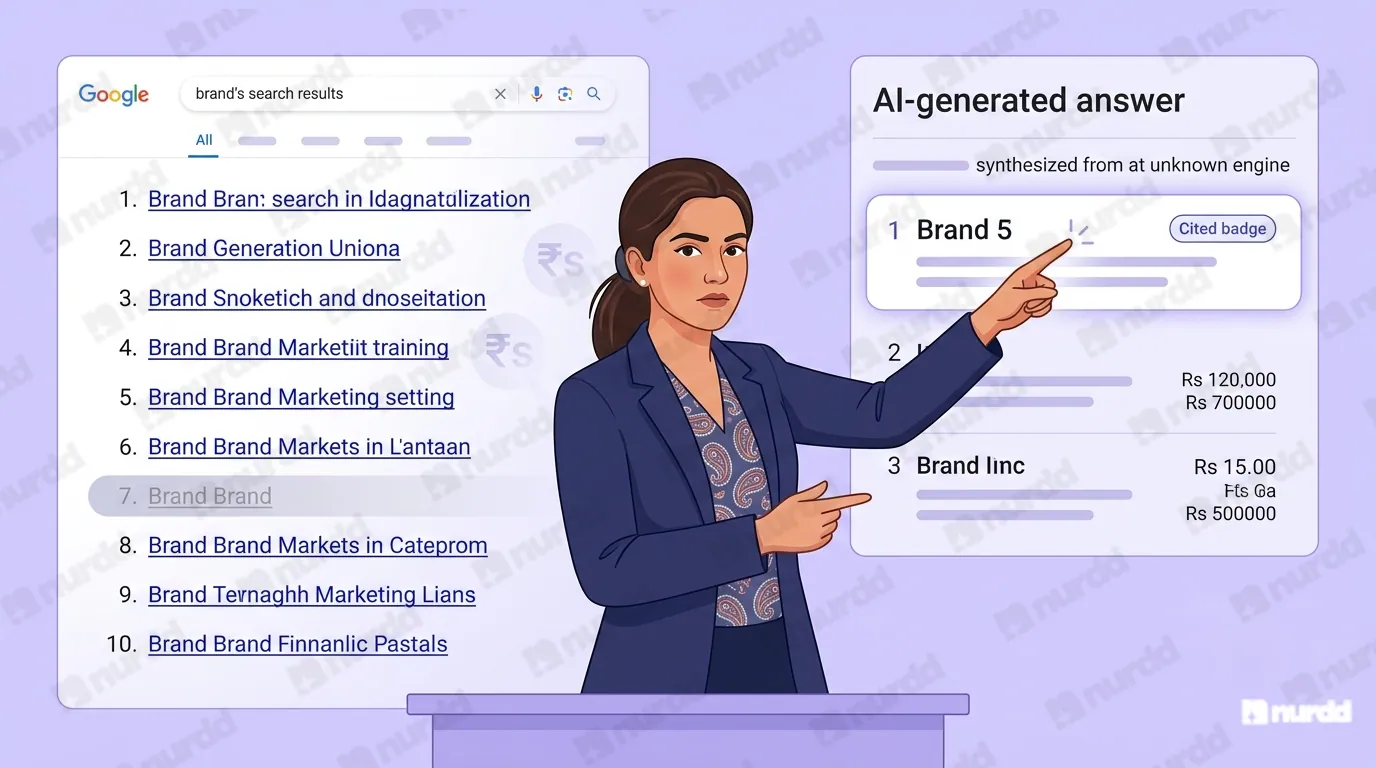
Traditional search engines rank pages. AI engines answer questions. That distinction completely changes what good content looks like.
A Google-optimised page competes for position in a list of results. An AI-optimised answer competes to be cited as a trustworthy source when the engine synthesises a response from across the web. AI engines look for content that directly and specifically answers the question being asked. They look for factual claims backed by context, not just assertions. They look for structured information that makes it easy to extract and paraphrase. And they heavily favour sources that have been cited or referenced by other credible sources.
What the winning brand did differently
The sunscreen brand that appeared consistently had done three things most Indian D2C brands have not done yet.
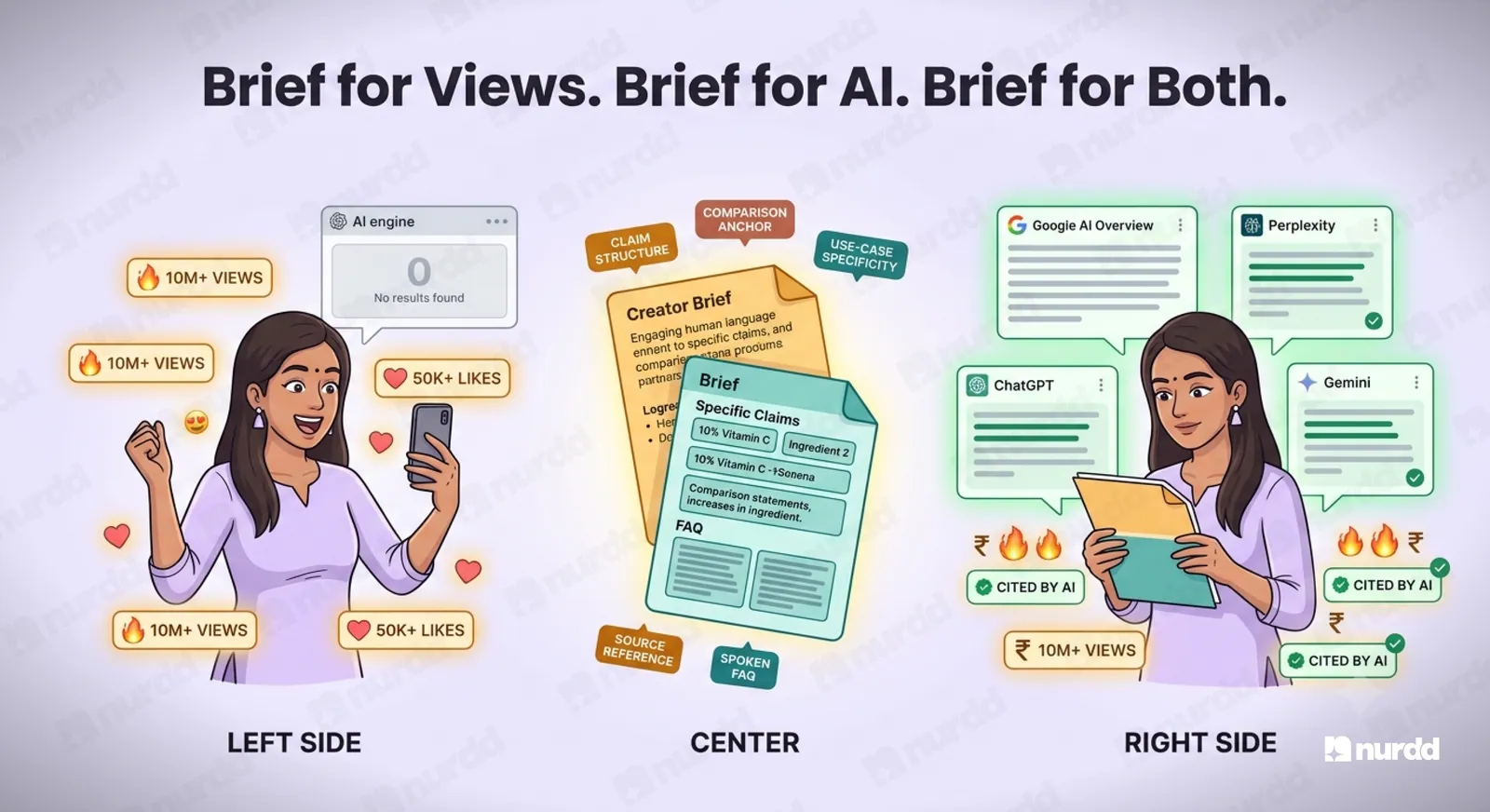
First, it had a dedicated ingredient page that explained exactly what each active ingredient does, who it is for, and what skin types benefit from it. Not marketing copy. Specific, educational content that answered the exact sub-questions someone would have when evaluating a sunscreen.
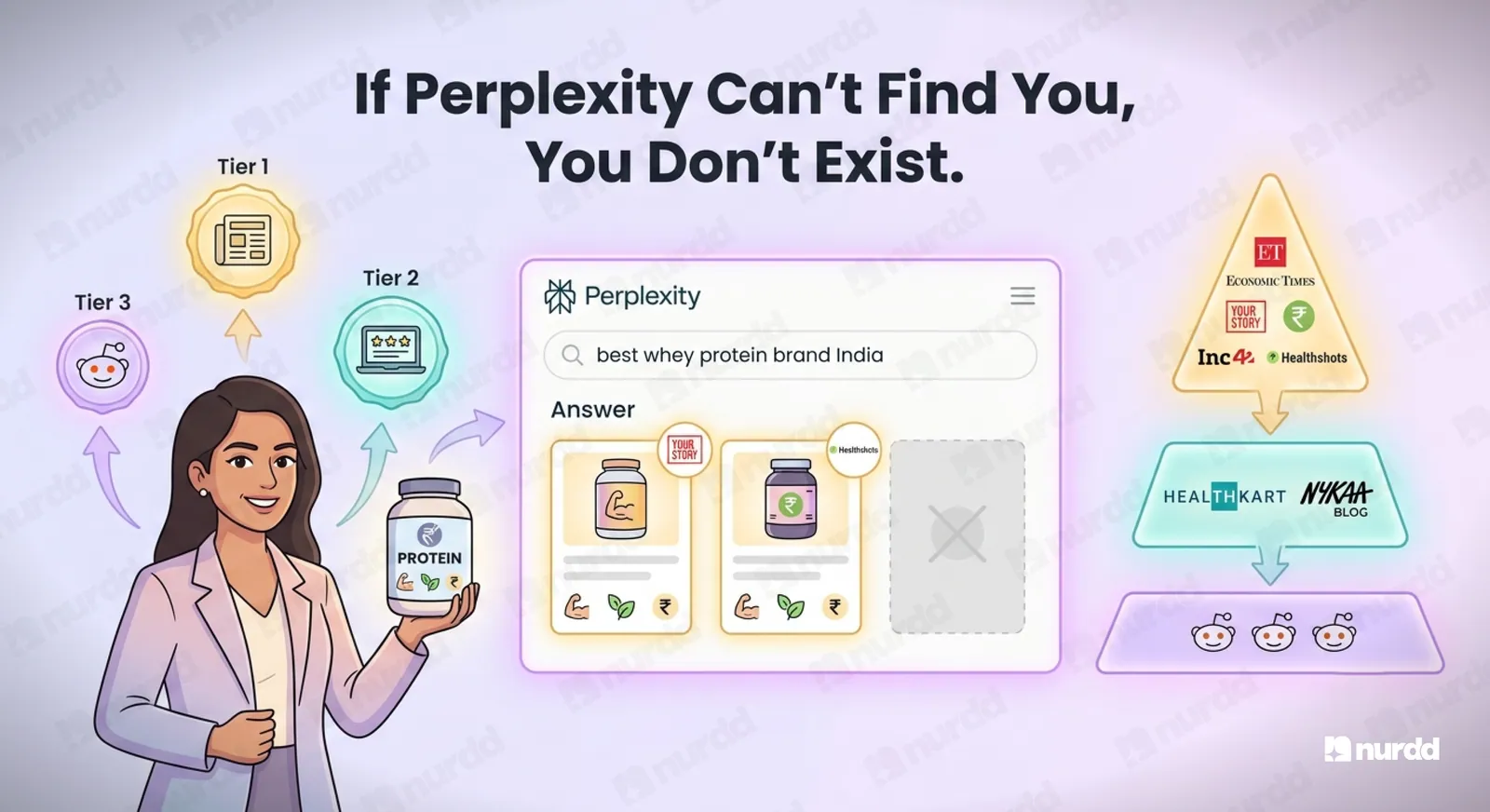
Second, it had accumulated a meaningful number of detailed third-party reviews on platforms that AI engines treat as credible sources: independent beauty blogs, Reddit threads in r/IndianSkincareAddicts, Quora answers from dermatologists.
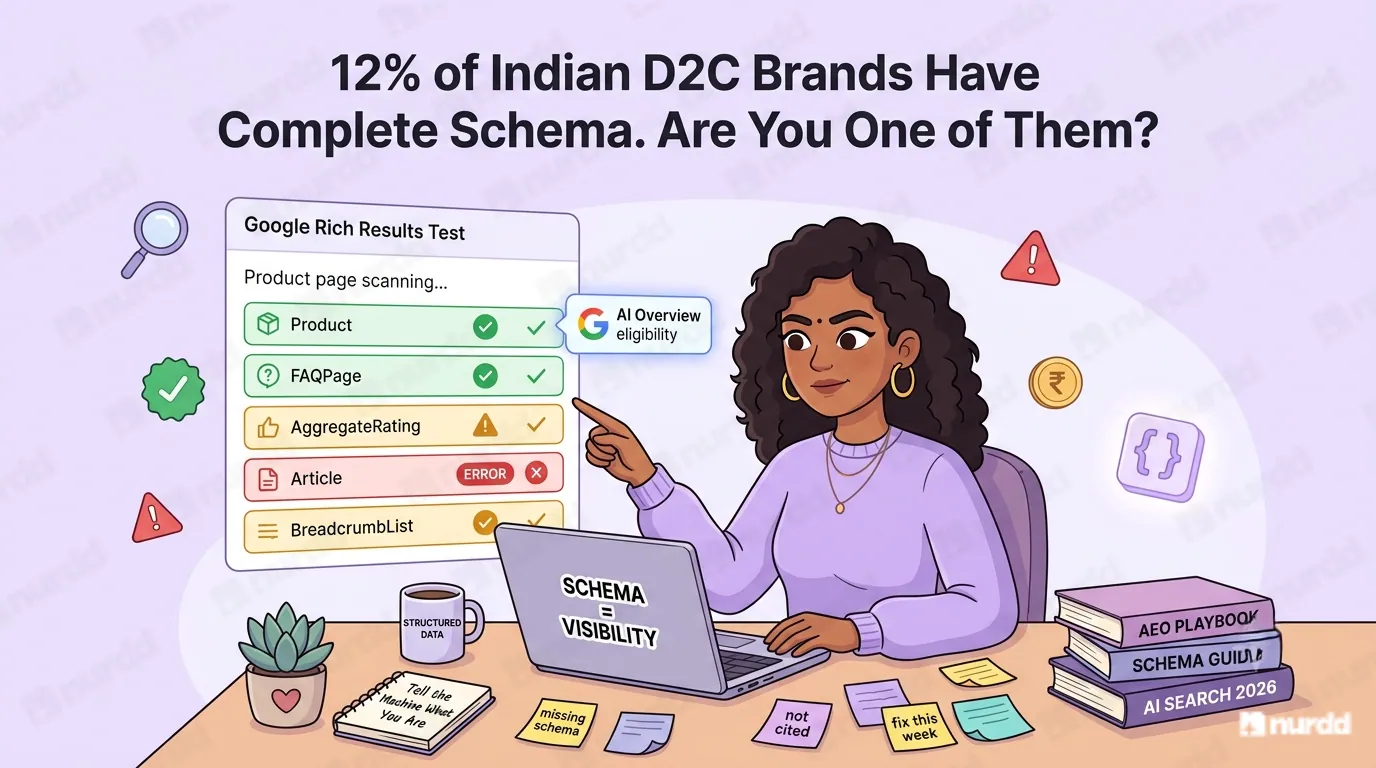
Third, it had a well-structured FAQ section on its product pages that addressed common hesitations honestly and completely. AI engines pull directly from FAQ content when generating responses to these exact questions.
The real cost of not doing this
When someone asks an AI engine for a product recommendation and your brand does not appear, you have not just lost a click. You have lost the sale, the consideration, and the opportunity to even be evaluated. The person never saw you.
This is a categorically different problem from low search rankings, where at least you might appear on page two. In AI-generated answers, there is no page two. There is the answer and there is absence.
Indian D2C brands are at an early enough stage in AI search that the brands investing now in structured, answer-oriented content are building an advantage that will be very difficult to close once it compounds.
Three things to do this week
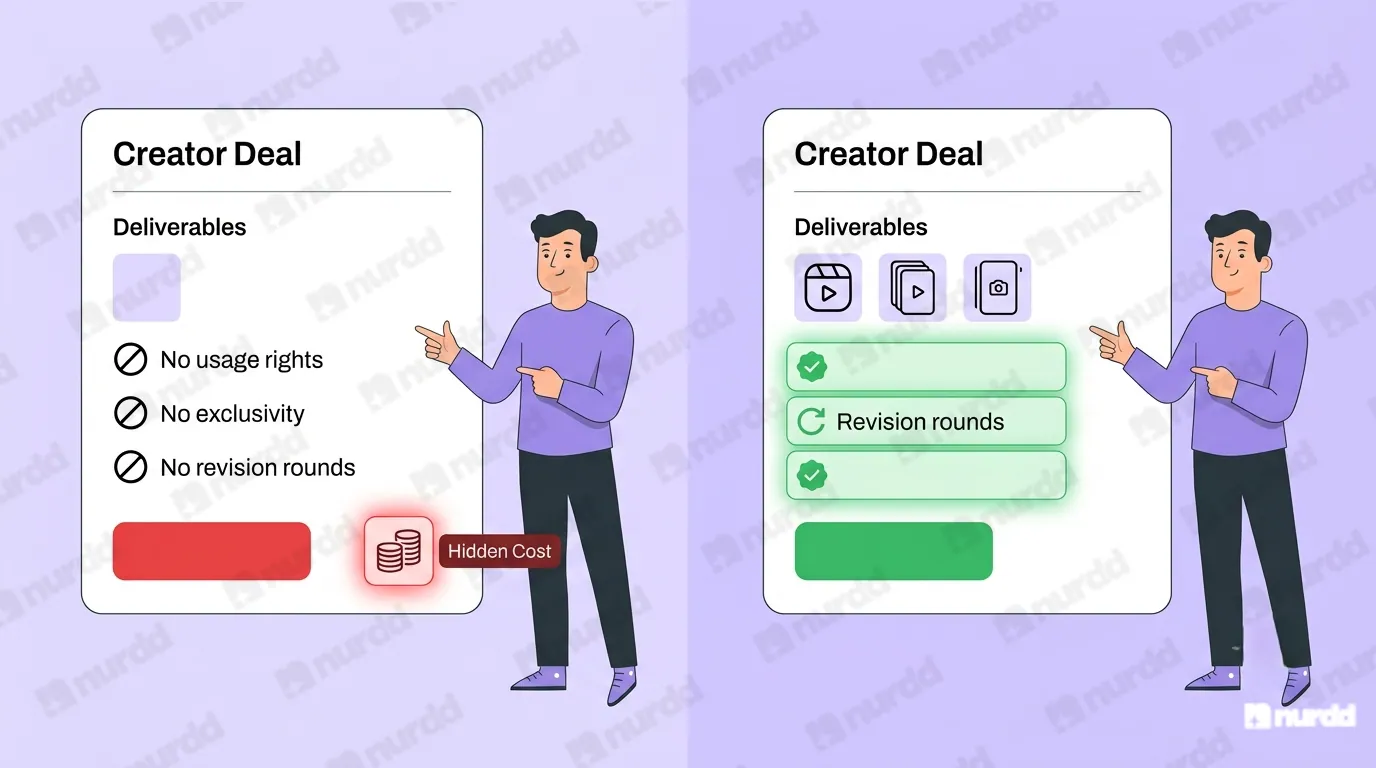
Start with your product pages. Read them as if you are an AI engine trying to find a direct answer to "which sunscreen is best for oily skin." If your page does not directly address that question with specific, credible information, it will not be cited.
Then audit your FAQ sections. Are they genuinely answering the questions your customers ask, or are they answering the questions your marketing team is comfortable with? The difference between "How do I use this product?" and "Will this break me out if I have acne-prone skin?" is the difference between marketing FAQ and customer FAQ. AI engines cite the second kind.
Finally, invest in seeding third-party content that talks about your products in the context of specific problems. Not press releases. Not paid features. Reviews, comparisons, and community discussions on platforms where your customers already go to ask questions.
In AI search, the brand that answers the question best gets recommended. Not the brand that spends the most.
Sources & References
SparkToro: How AI Search Engines Choose Sources 2024 — https://sparktoro.com/blog/what-sources-does-chatgpt-cite-most/
BrightEdge: AI Search Ranking Factors Report 2024 — https://www.brightedge.com/resources/research-reports/ai-search-optimization
Moz: GEO and Generative Engine Optimisation Guide 2024 — https://moz.com/blog/generative-engine-optimization
Search Engine Journal: AEO Best Practices 2024 — https://www.searchenginejournal.com/answer-engine-optimization/

Is your brand showing up in AI search answers?
Noma tracks whether ChatGPT, Perplexity, Gemini, Claude, and Grok mention your brand when customers ask category questions — and shows you exactly how to improve your AI visibility.