Your FAQ Page Is the Most Underrated AI Search Asset You Have. Here's How to Fix It.
 3 Jun 20265 min read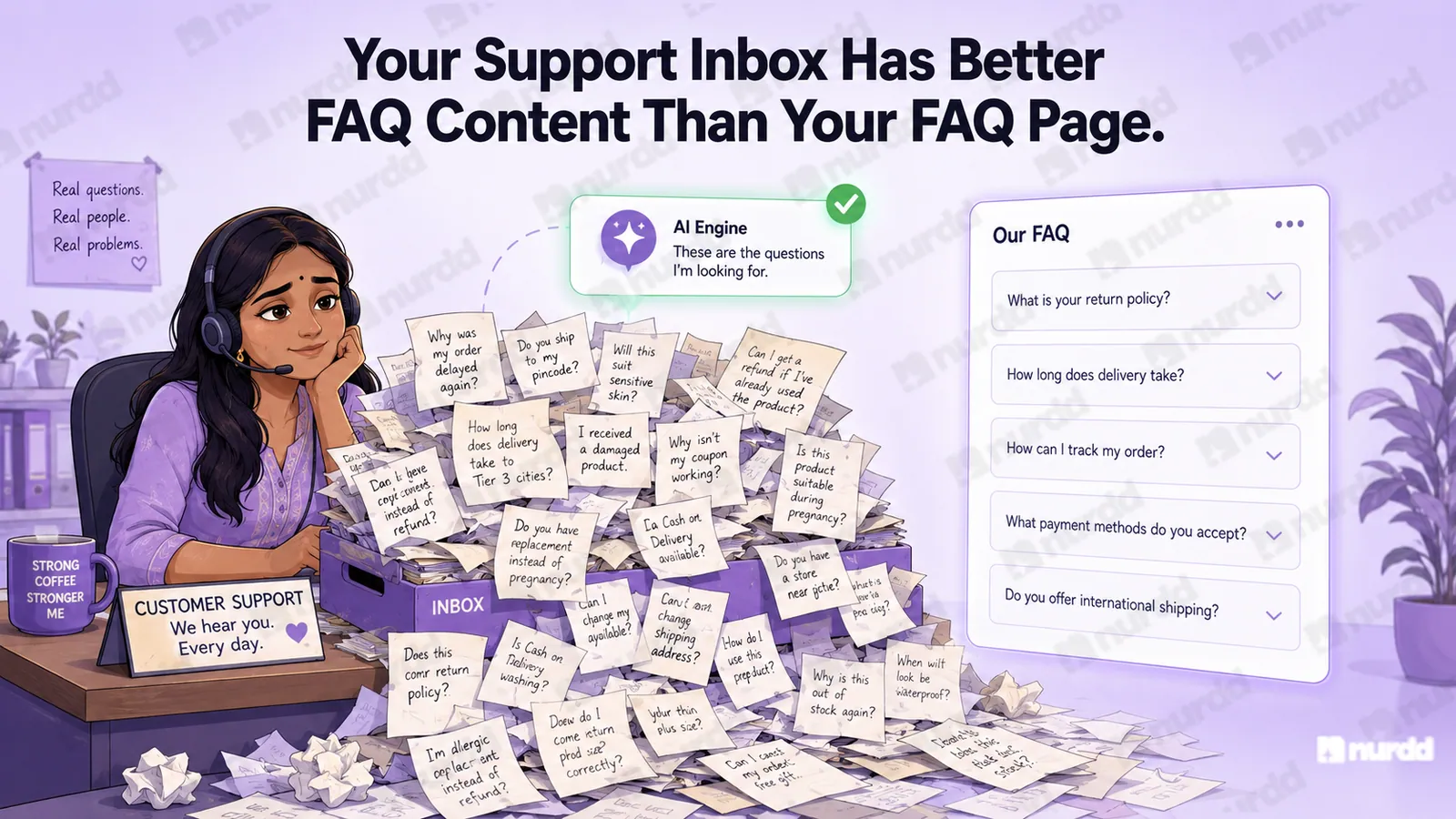
Build your FAQ around real customer questions from support tickets, comments, Reddit, Quora, and returns data, then answer them specifically and honestly. Add FAQ Schema and place the questions and answers on relevant product pages so AI engines can identify and cite them.
Most brand FAQ pages look something like this: five questions that no real customer has ever asked, answered in the vaguest possible language, sitting at the bottom of a page nobody visits.
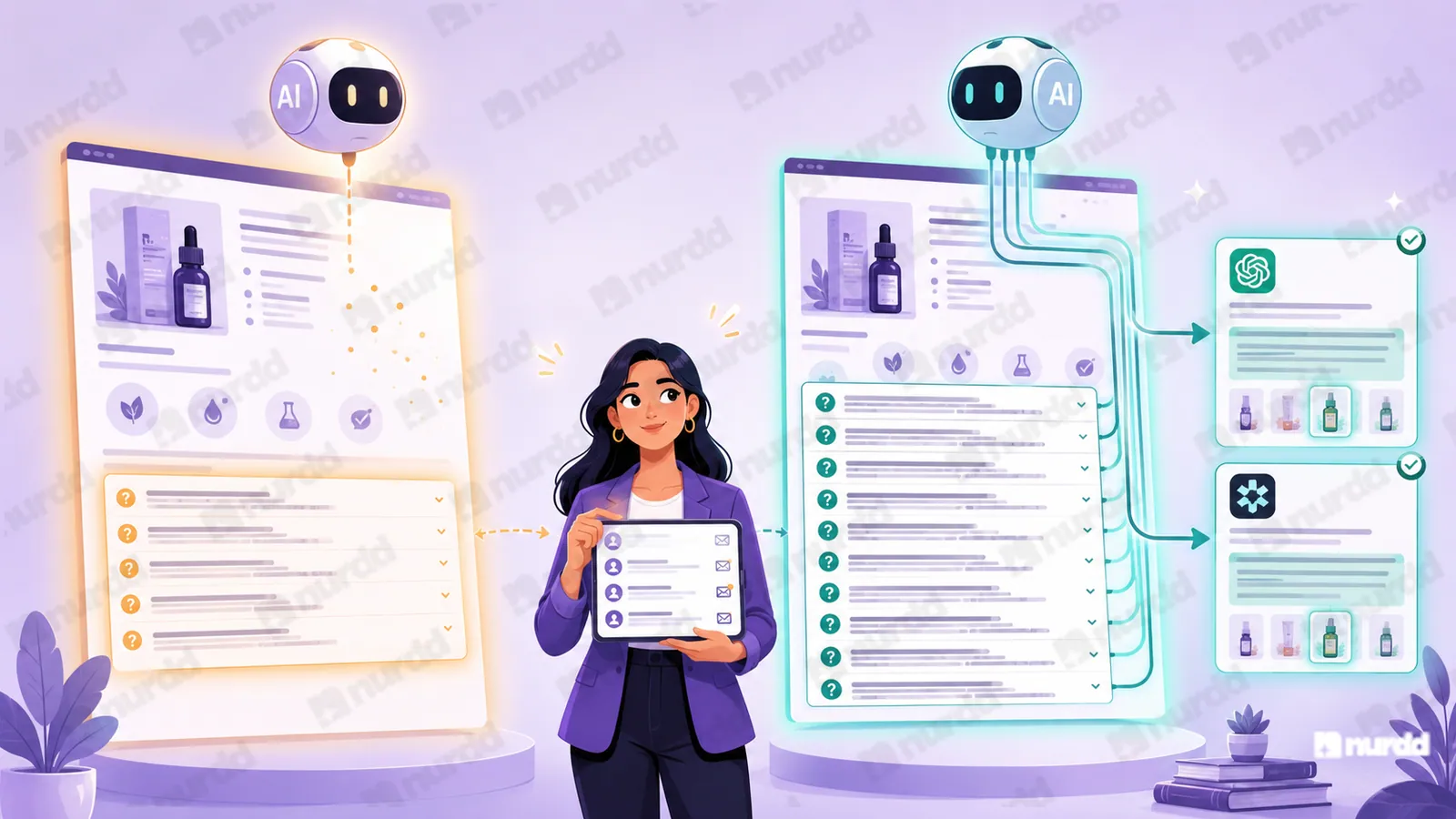
This is a significant missed opportunity. Because right now, AI engines like ChatGPT, Perplexity, and Google's AI Overviews are pulling FAQ-structured content directly into their answers more than almost any other content format. A well-built FAQ page is not a support resource. It is a direct pipeline into AI-generated recommendations.
Why AI engines love FAQ content specifically
AI engines are built to answer questions. FAQ content is pre-formatted as questions and answers. The match is almost too obvious.
When someone asks an AI engine "does X product cause breakouts?" the engine looks across the web for direct, authoritative answers to that exact question. A product page with a FAQ section that includes "Will this cause breakouts? No, our formula is non-comedogenic and dermatologist tested" gives the AI engine exactly what it needs to cite in a response.
The difference between a marketing FAQ and a customer FAQ
A marketing FAQ answers the questions a brand is comfortable with. "What makes your product different?" "How long does shipping take?" These are useful for conversions but they are not what people ask AI engines.
A customer FAQ answers the questions real customers actually ask. These come from your customer support inbox, your product page comment sections, your brand's Reddit and Quora mentions, and your returns data. "Is this safe to use during pregnancy?" "Will this work on dark skin tones?" "Can I use this with my existing medication?"
These are uncomfortable questions to answer publicly because honest answers require acknowledging limitations. But honest, specific answers are exactly what AI engines trust most.
How to build an FAQ that actually gets cited
Pull your last three months of customer support tickets and identify the ten most frequently asked questions. Not the easy ones. The real ones.
Write answers that are specific and complete. An AI engine needs the answer to be self-contained: a reader who never sees the question or the rest of your site should be able to read the answer and fully understand it. "Yes, this product is safe for sensitive skin. It contains no fragrance, no alcohol, and no sulphates, which are the three most common irritants for sensitive skin types" is citable.
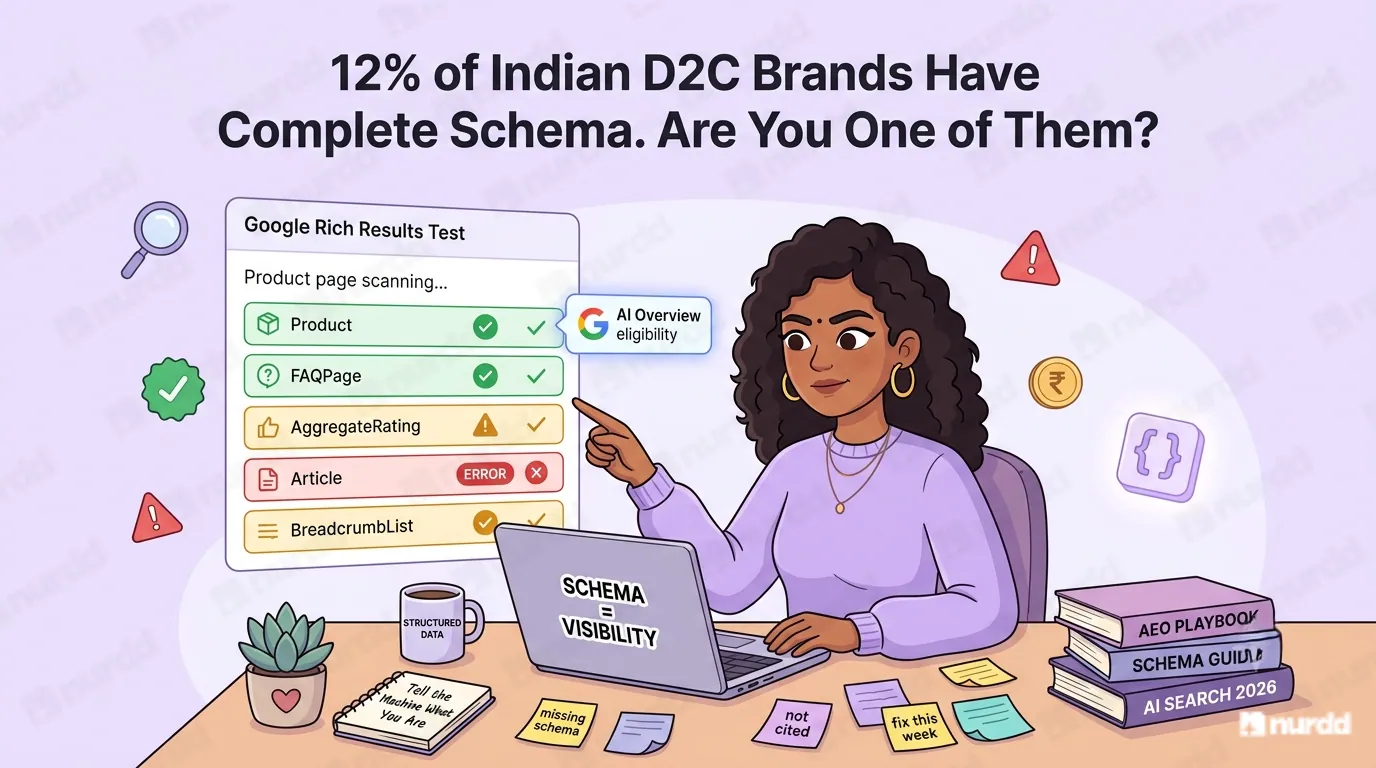
Mark up your FAQ page with FAQ Schema so that AI engines and Google can structurally identify questions and answers as a paired format.

One more thing most brands miss
Your FAQ should be on your product pages, not just a standalone support page. AI engines look for content that is contextually close to the product being asked about.
Put the real customer questions where the product lives. Answer them honestly. Watch how often your brand starts appearing in AI-generated answers for exactly those questions.
A FAQ page that answers real questions honestly is worth more in AI search than a hundred backlinks.
Sources & References
Google Search Central: FAQ Schema Documentation – https://developers.google.com/search/docs/appearance/structured-data/faqpage
Ahrefs: AEO Content Strategy for FAQ Pages 2024 – https://ahrefs.com/blog/answer-engine-optimization/
Search Engine Journal: How AI Overviews Use Structured Data 2024 – https://www.searchenginejournal.com/ai-overviews-structured-data/
BrightEdge: Generative AI Content Citation Patterns 2024 – https://www.brightedge.com/resources/research-reports/ai-search-optimization

Is your brand showing up in AI search answers?
Noma tracks whether ChatGPT, Perplexity, Gemini, Claude, and Grok mention your brand when customers ask category questions — and shows you exactly how to improve your AI visibility.