Does Your Website Answer Questions the Way AI Engines Expect? Here's How to Check.
 7 Jun 20265 min read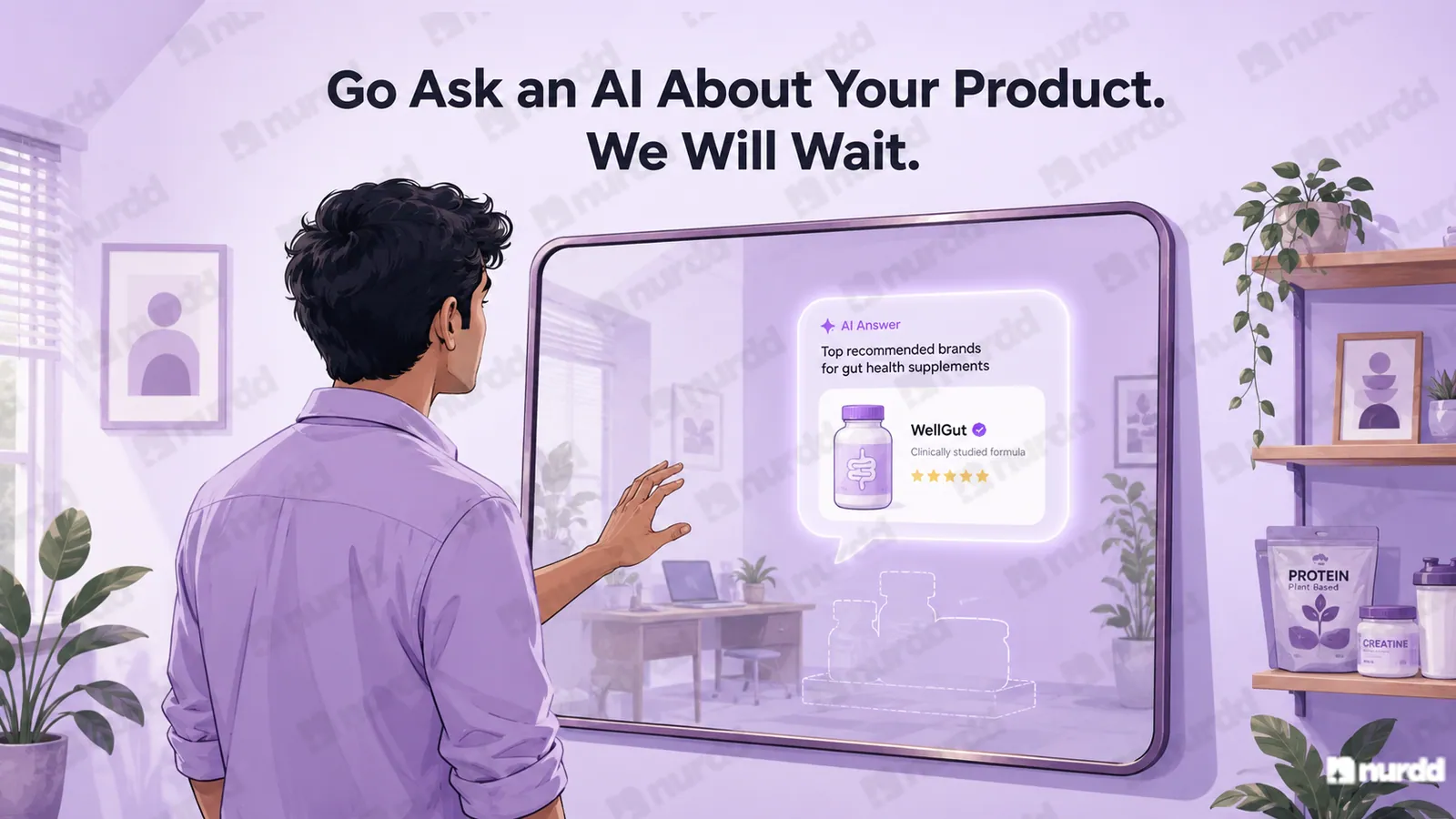
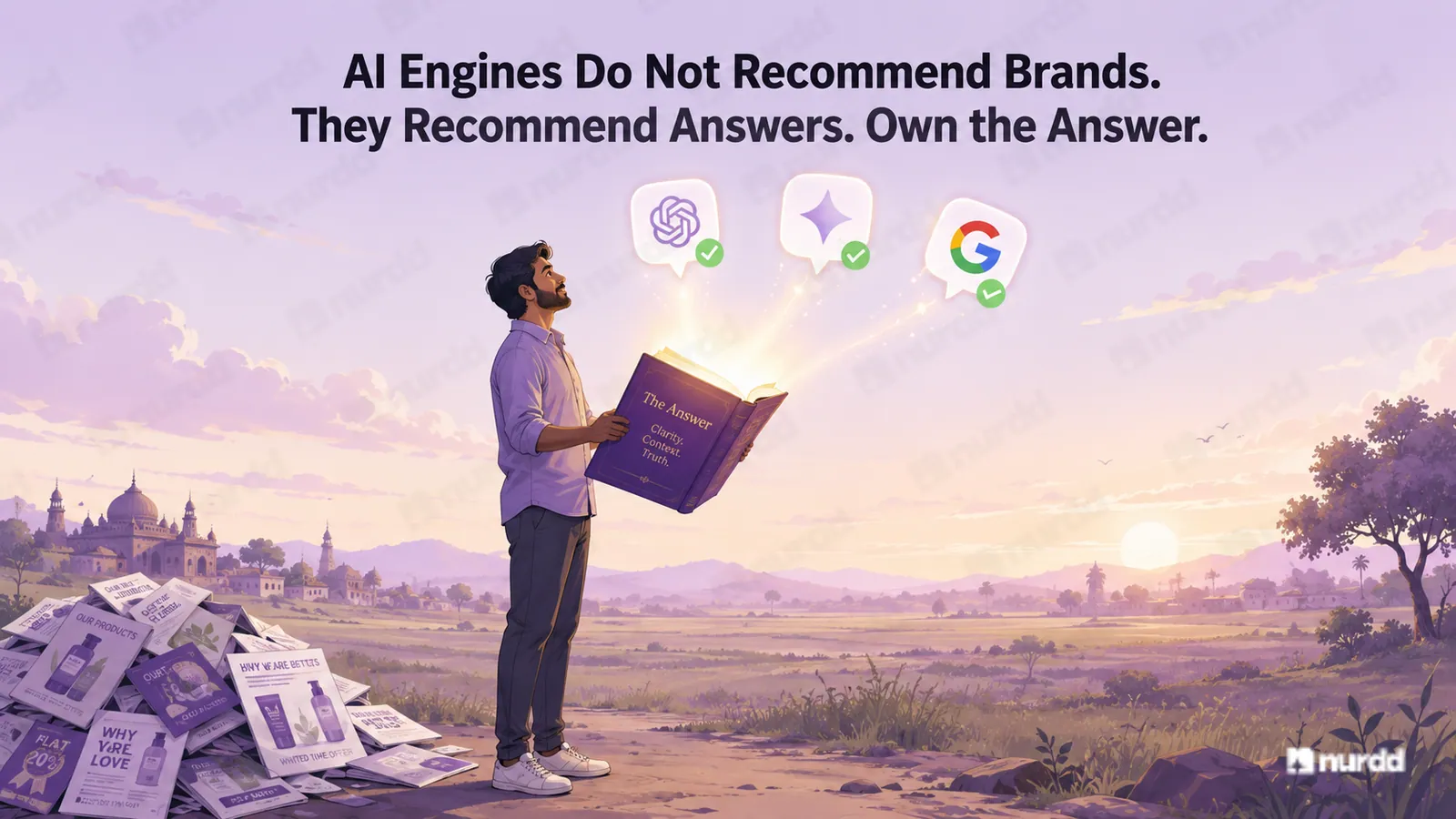
Check by asking ChatGPT, Perplexity, or Gemini the most common pre-purchase question about your product: if your brand is absent, your site is not giving AI engines a clear, citable answer. Audit your homepage, product explanations, FAQs, schema markup, and direct answers to what-is or how-does-it-work questions.
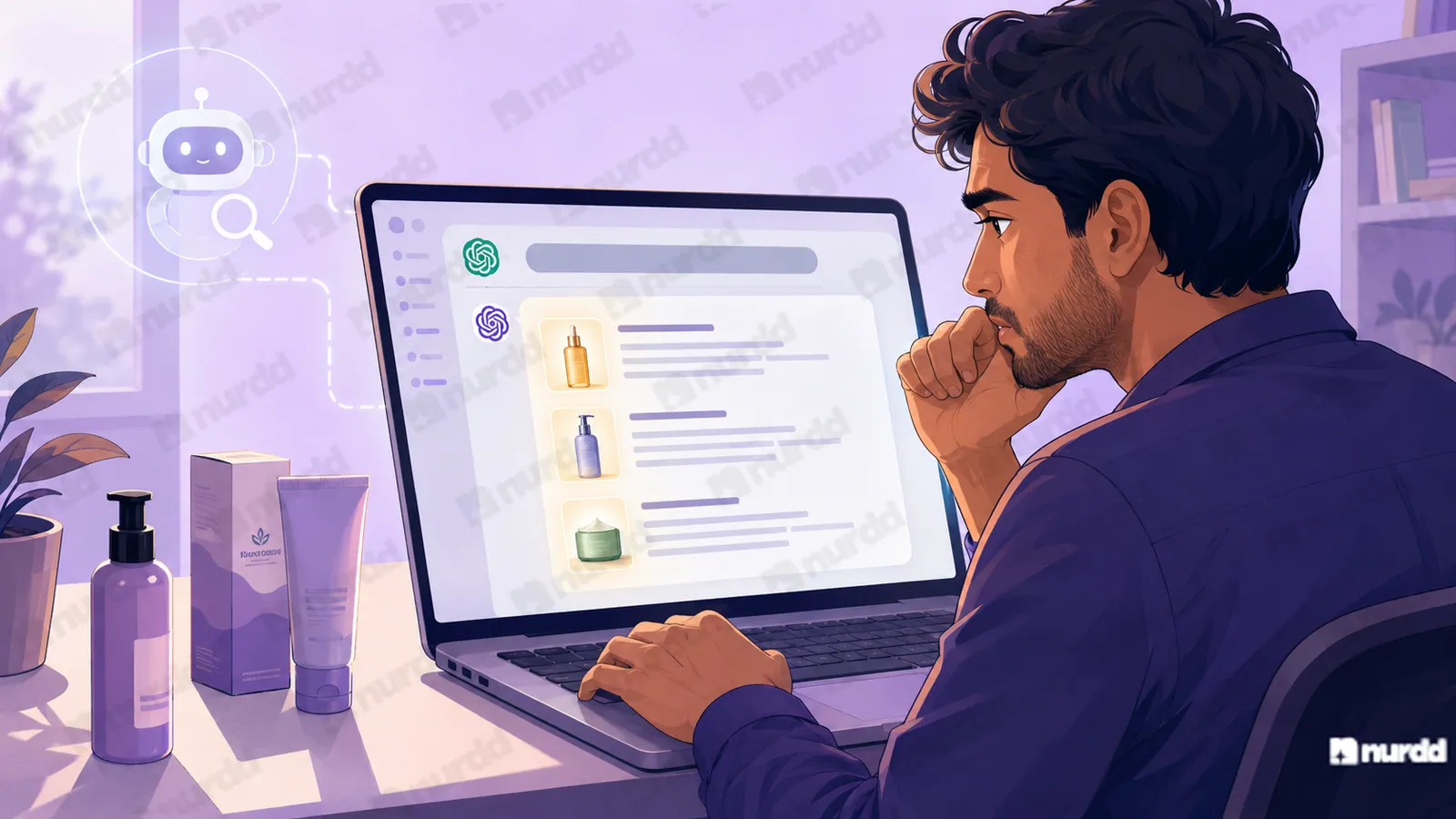
Spend five minutes doing this exercise. Go to ChatGPT, Perplexity, or Gemini. Type in the most common question someone would ask before buying your product. Look at the answer.
Is your brand anywhere in it?
If not, you are invisible in the fastest-growing product discovery channel in India right now. And the reason is almost never that you have a bad product. It is almost always that your website is not structured to give AI engines what they need to cite you.
The fastest way to self-diagnose the problem
AI engines need three things from your content: a clear question being answered, a direct answer to that question, and enough context to verify the answer is credible.
Take your homepage. Is there a single sentence on it that directly answers "what is this brand and who is it for?" in plain language? Many homepage designs prioritise visual impact over clarity. An AI engine reading that page cannot extract a clean, citable answer because there is not one.
The five-question audit
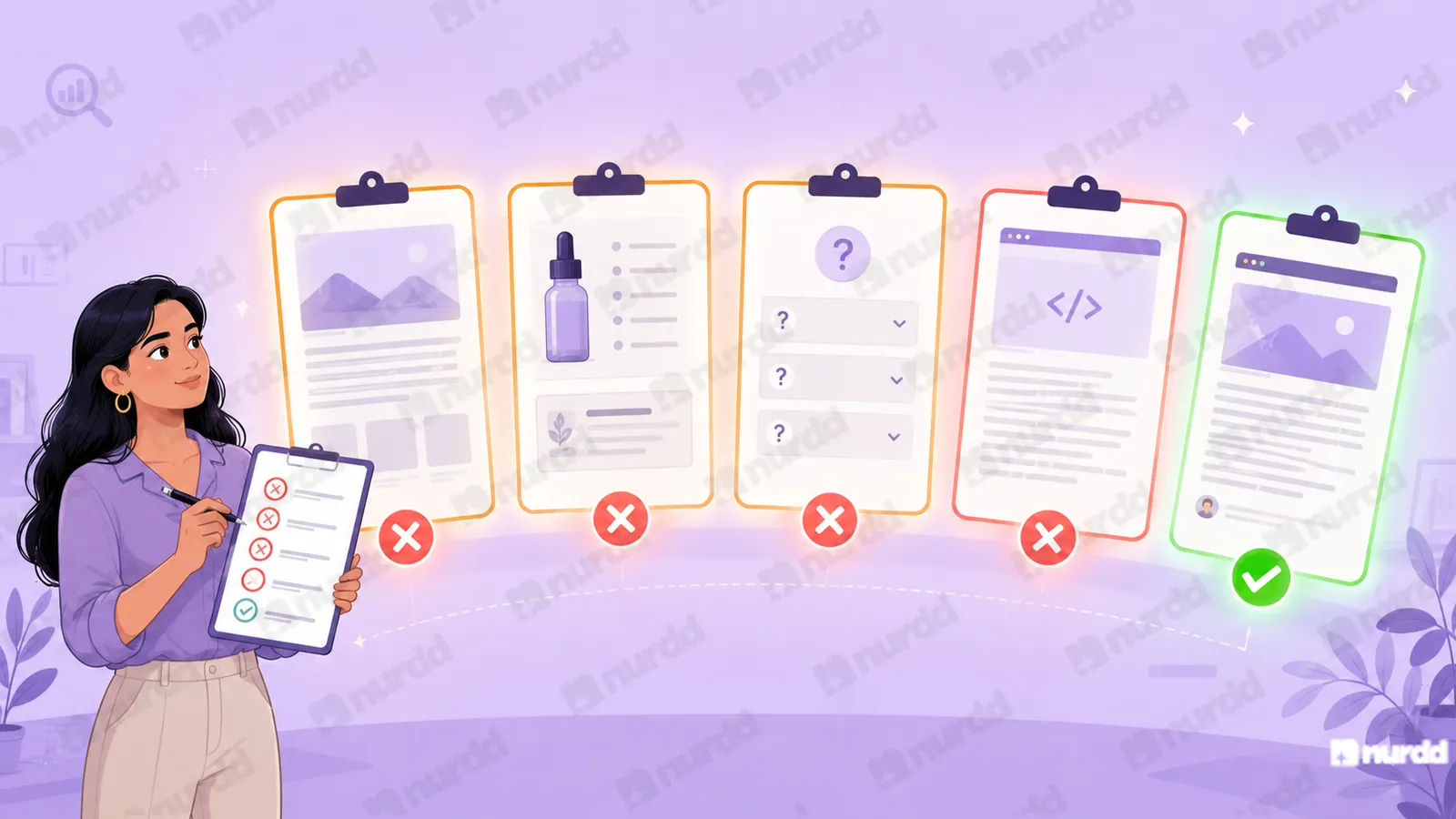
Ask these five questions about your website.
Can someone read the first paragraph of my homepage and know exactly what my brand sells and who it is for? If the answer requires reading three paragraphs or clicking a second page, that is a problem.
Do my product pages contain at least three complete sentences explaining how the product works, not just what it is made of? Ingredient lists are not explanations. Mechanisms are.
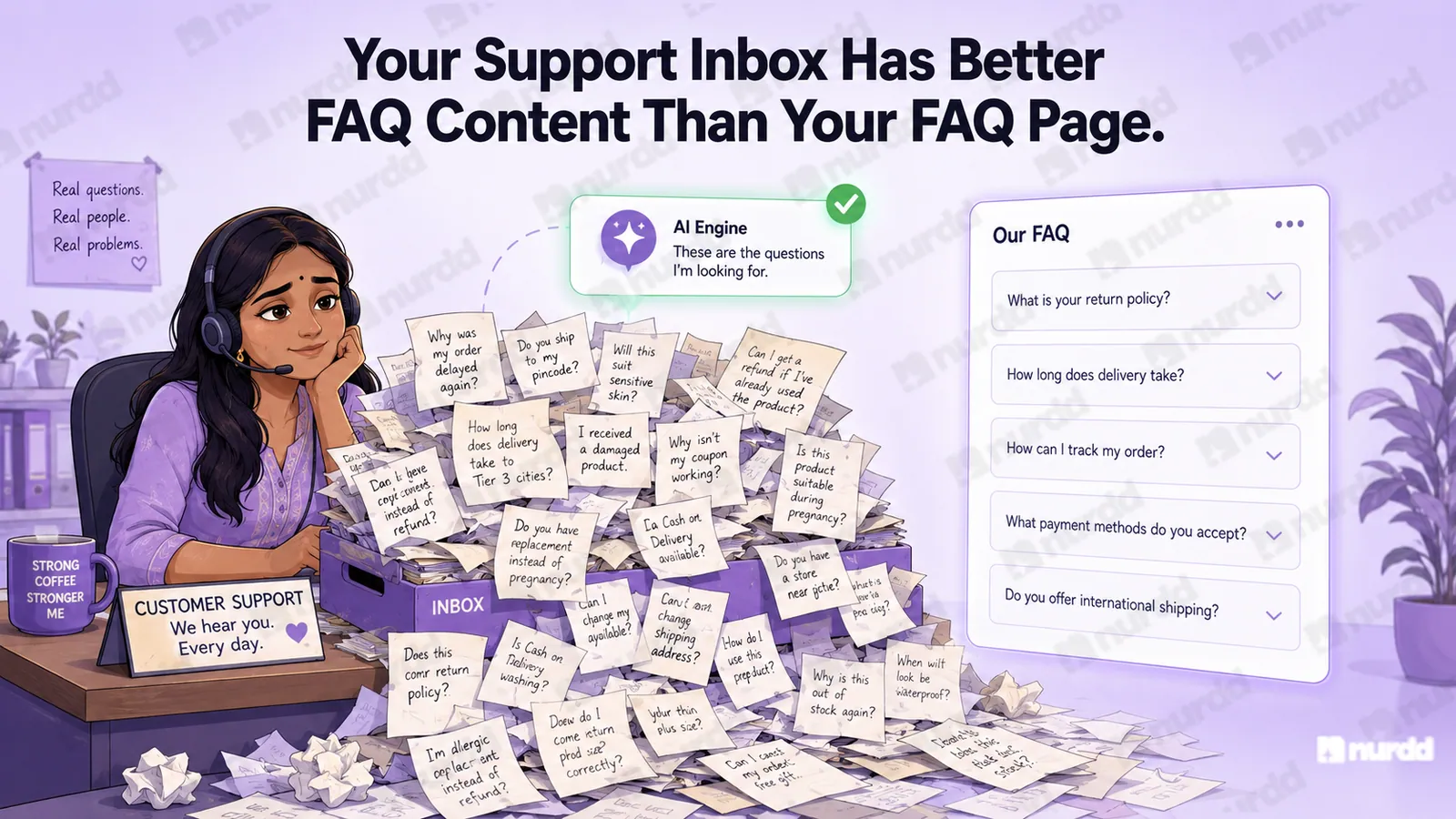
Does my website have an FAQ section with real customer questions answered in full sentences?
Do any of my pages use schema markup to identify FAQ content, product information, or article structure?
Does any page on my site directly answer a "what is" or "how does it work" question for something in my product category?
What to fix first if the answers are mostly no
Start with your top five product pages. Add a "How it works" section that explains the mechanism in two to three plain sentences. Add a "Who it is for" section that specifically names the problem it solves. Add five to eight real customer FAQ answers below the product description.
Then write one definitional piece of content per month for the core concepts in your category.
The compounding effect
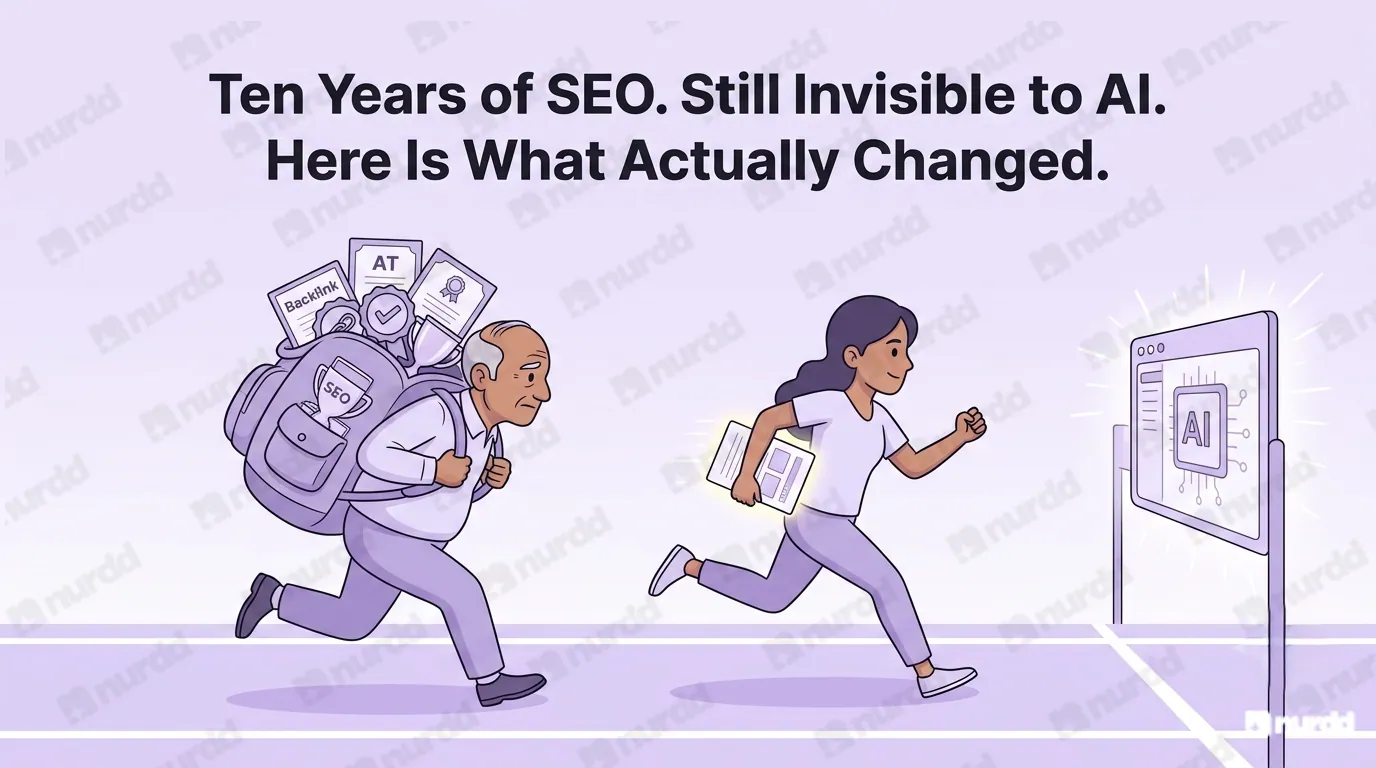
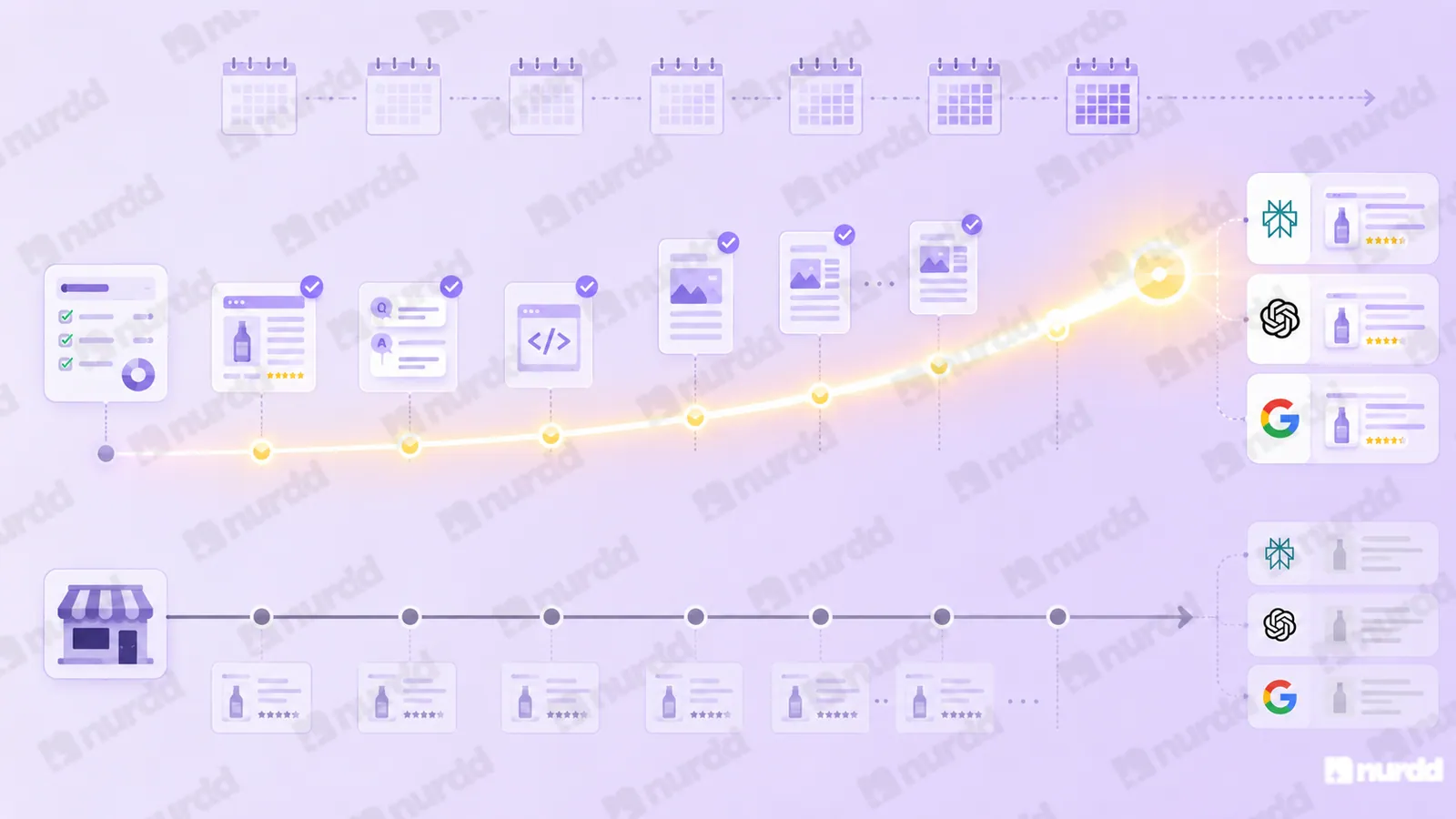
Brands that start this audit now are building an AI search presence that will compound over the next 18 to 24 months while their competitors are still optimising for a Google that is changing under their feet.
The audit itself takes an afternoon. The fixes, done systematically, take a few weeks. The advantage it builds lasts years.
You cannot appear in AI answers with content that was written to sell. You need content that was written to explain.
Sources & References
BrightEdge: State of AI Search 2024 — https://www.brightedge.com/resources/research-reports/ai-search-optimization
Ahrefs: Website Audit for Generative AI Visibility 2024 — https://ahrefs.com/blog/answer-engine-optimization/
Google Search Central: Structured Data and AI Overviews 2024 — https://developers.google.com/search/docs/appearance/structured-data
SparkToro: What AI Engines Cite and Why 2024 — https://sparktoro.com/blog/what-sources-does-chatgpt-cite-most/

Is your brand showing up in AI search answers?
Noma tracks whether ChatGPT, Perplexity, Gemini, Claude, and Grok mention your brand when customers ask category questions — and shows you exactly how to improve your AI visibility.