How to Write a "What Is" Page That Gets Cited by AI Engines (With Examples)
 5 Jun 20266 min read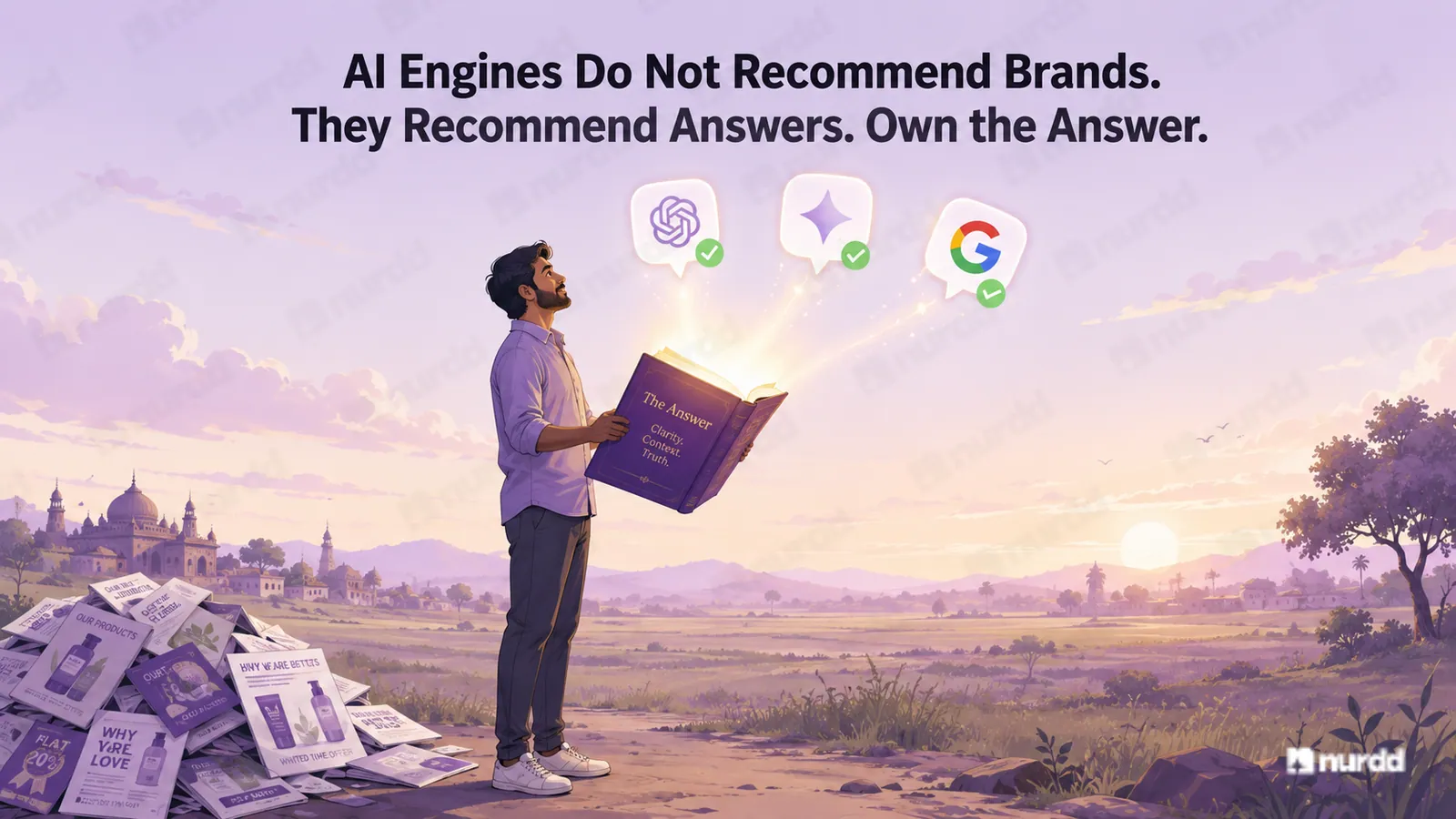
Write a What Is page around a clear, one-sentence definition, then explain how the subject works, why it matters, common misconceptions, and practical guidance. Use the definition as the H1, make the first paragraph a complete answer, add FAQ and Article schema, and keep the URL descriptive.
There is a category of content that AI engines return to again and again when generating answers: definitional content. Pages that clearly, authoritatively explain what something is.
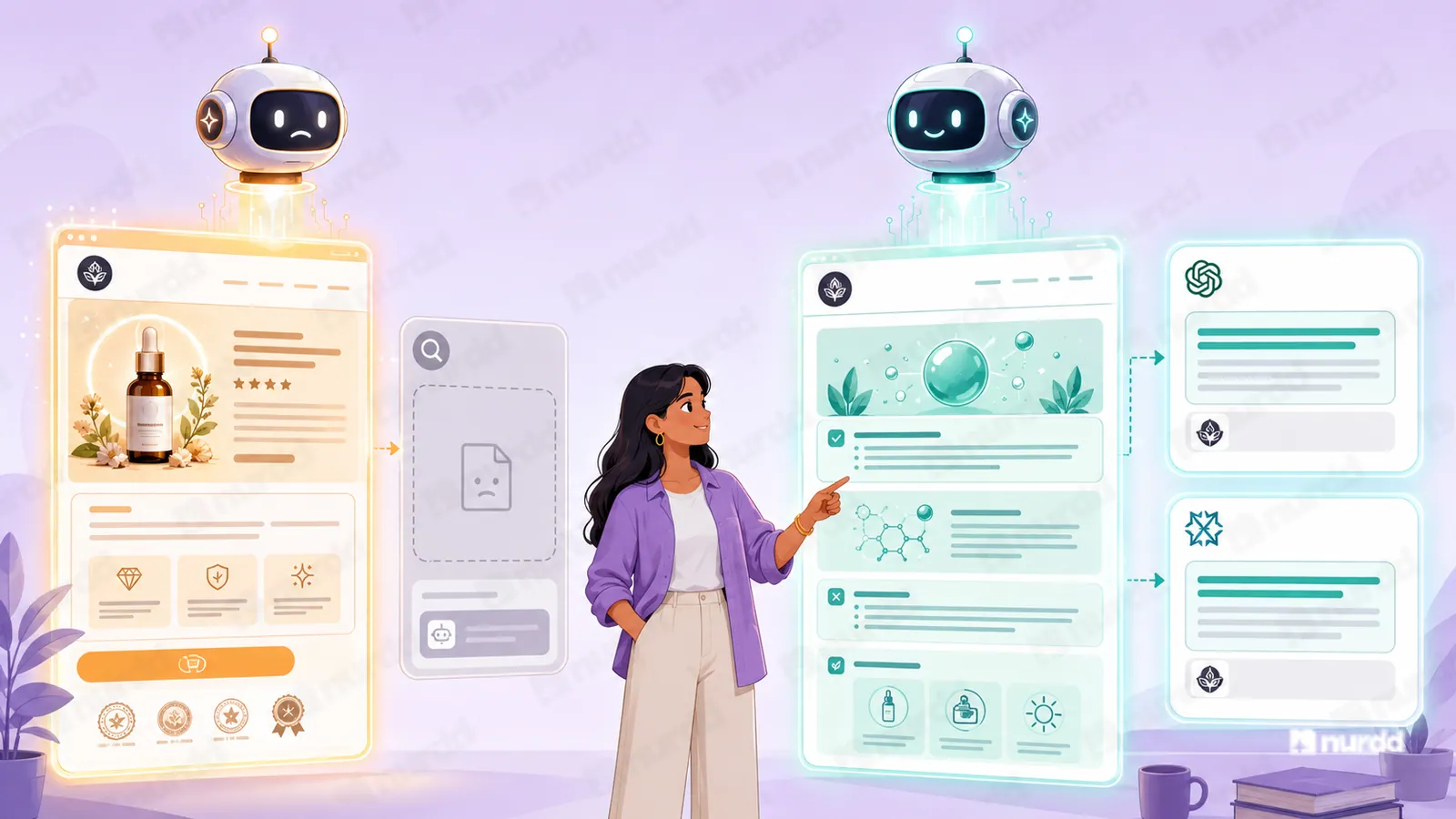
"What is retinol?" "What is creator attribution?" "What is SPF 50 vs SPF 30?" When someone asks an AI engine a question that begins with "what is" or "explain to me what", the engine searches for the most clear, credible, well-structured answer to that exact definition.
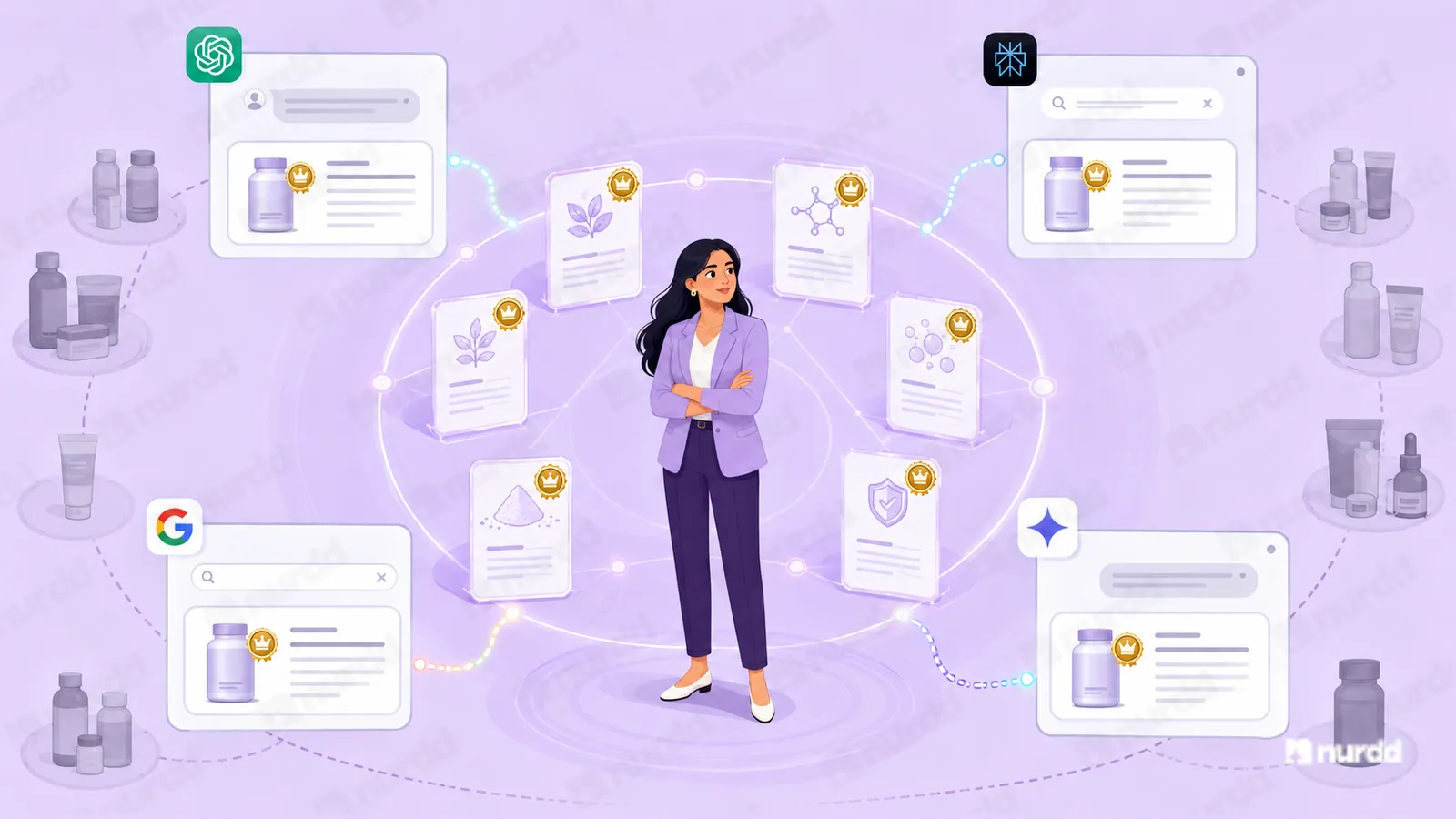
Brands that have published strong definitional content in their category are being cited for category-level questions, not just product-specific ones. That is a very different kind of visibility, and it builds trust at a level that product pages cannot reach.
Why definitional content outperforms promotional content in AI search
Promotional content answers the question "why should I buy this?" AI engines are not designed to surface promotional answers. They are designed to surface informational ones.
A product page that explains why your collagen supplement is superior is promotional. A page that explains what collagen actually is, how it is absorbed by the body, what the research says about supplementation, and what to look for when choosing a supplement is definitional. The second page will be cited far more often by AI engines when someone searches for anything related to collagen.
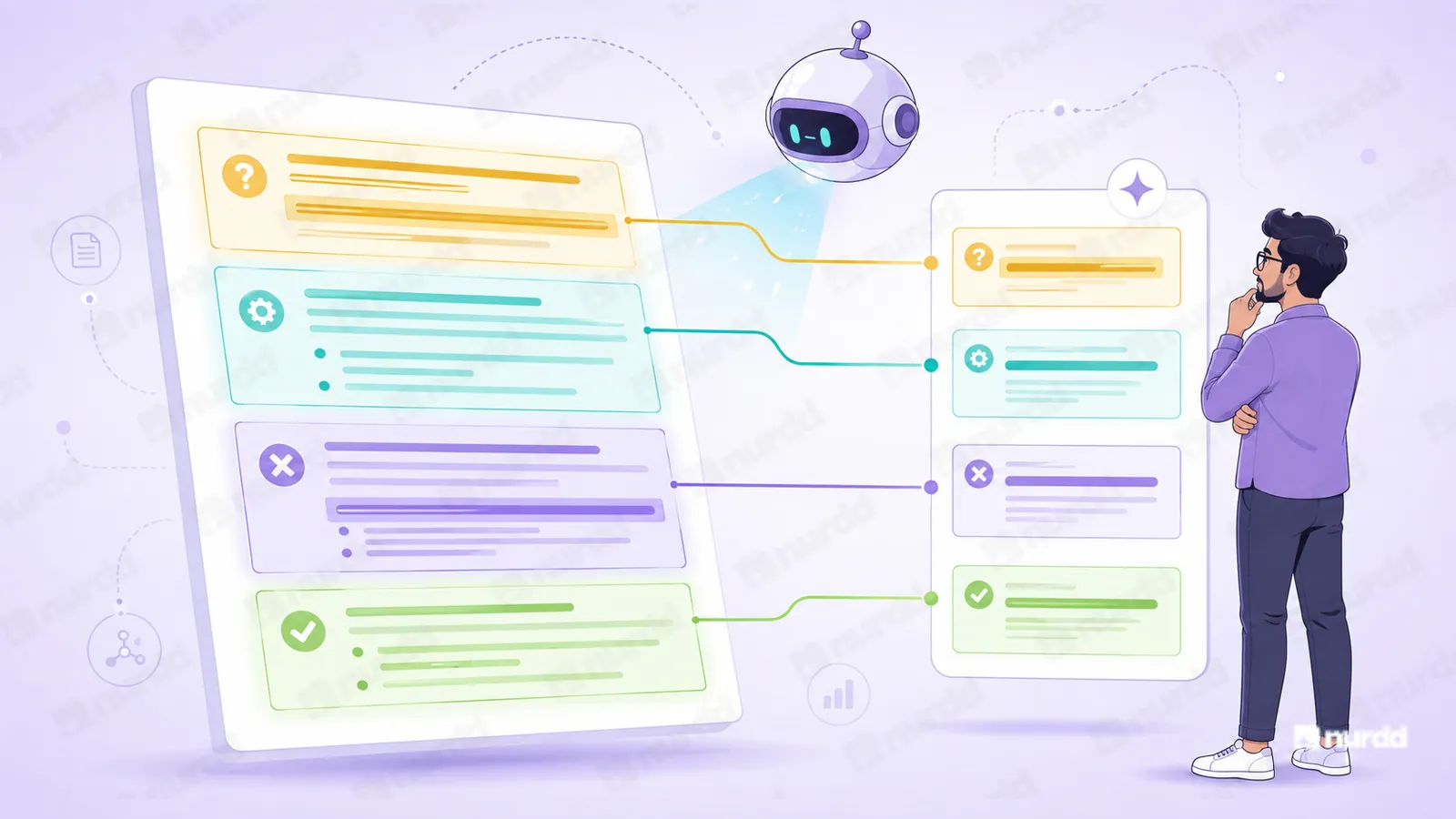
What a good What Is page actually contains
Start with a direct one-sentence definition. AI engines often pull the first clean sentence that answers the titular question.
Retinol is a vitamin A derivative used in skincare to increase cell turnover and stimulate collagen production.
Clean, specific, citable. Then expand that definition with context: how it works, where it comes from, why it matters for the reader. This section should read like something a knowledgeable friend would explain to you, not like a medical textbook and not like an ad.
Include a section on common misconceptions.
Many people think retinol thins the skin. It actually does the opposite.
Sentences like this are highly citable because they address a specific belief and correct it clearly.
End with practical guidance. Actionable content is cited more often than purely informational content because it directly helps the person who asked the question.
Real examples of what works
Think about how Healthline dominates health-related AI answers. Their content follows almost exactly this structure: definition, mechanism, context, misconceptions, practical advice.
In the Indian D2C context, brands like Minimalist have built significant AI search presence in skincare by publishing ingredient-level explanatory content. When someone asks an AI engine about niacinamide or azelaic acid, Minimalist appears because they have invested heavily in definitional content for their ingredient category.
Find the five to ten things that are most important to understand in your product category and write the clearest, most honest explanation of each that exists on the Indian web. You will own those answers in AI search.
The technical side you cannot ignore
Use your primary definition as the H1 heading of the page, phrased as a question or a clear title. Use schema markup for FAQ and Article content types. Keep URLs clean and descriptive. Make the first paragraph a direct, complete answer to the title question.
None of this is technically complex. All of it requires the discipline to resist filling the page with promotional content when you have the reader's attention.
AI engines do not recommend brands. They recommend answers. The brand that owns the best answer owns the recommendation.
Sources & References
Princeton NLP Lab: GEO Generative Engine Optimization Study 2024 — https://arxiv.org/abs/2311.09735
Moz: Content Types Most Cited by AI Overviews 2024 — https://moz.com/blog/generative-engine-optimization
Search Engine Land: How to Rank in AI Overviews 2024 — https://searchengineland.com/how-to-rank-google-ai-overviews-430029
Semrush: Definitional Content and AI Search Visibility 2024 — https://www.semrush.com//blog/ai-search-optimization/

Is your brand showing up in AI search answers?
Noma tracks whether ChatGPT, Perplexity, Gemini, Claude, and Grok mention your brand when customers ask category questions — and shows you exactly how to improve your AI visibility.