Why AI Search Engines Trust Some Websites More Than Others (It's Not Domain Authority)
 1 Jun 20266 min read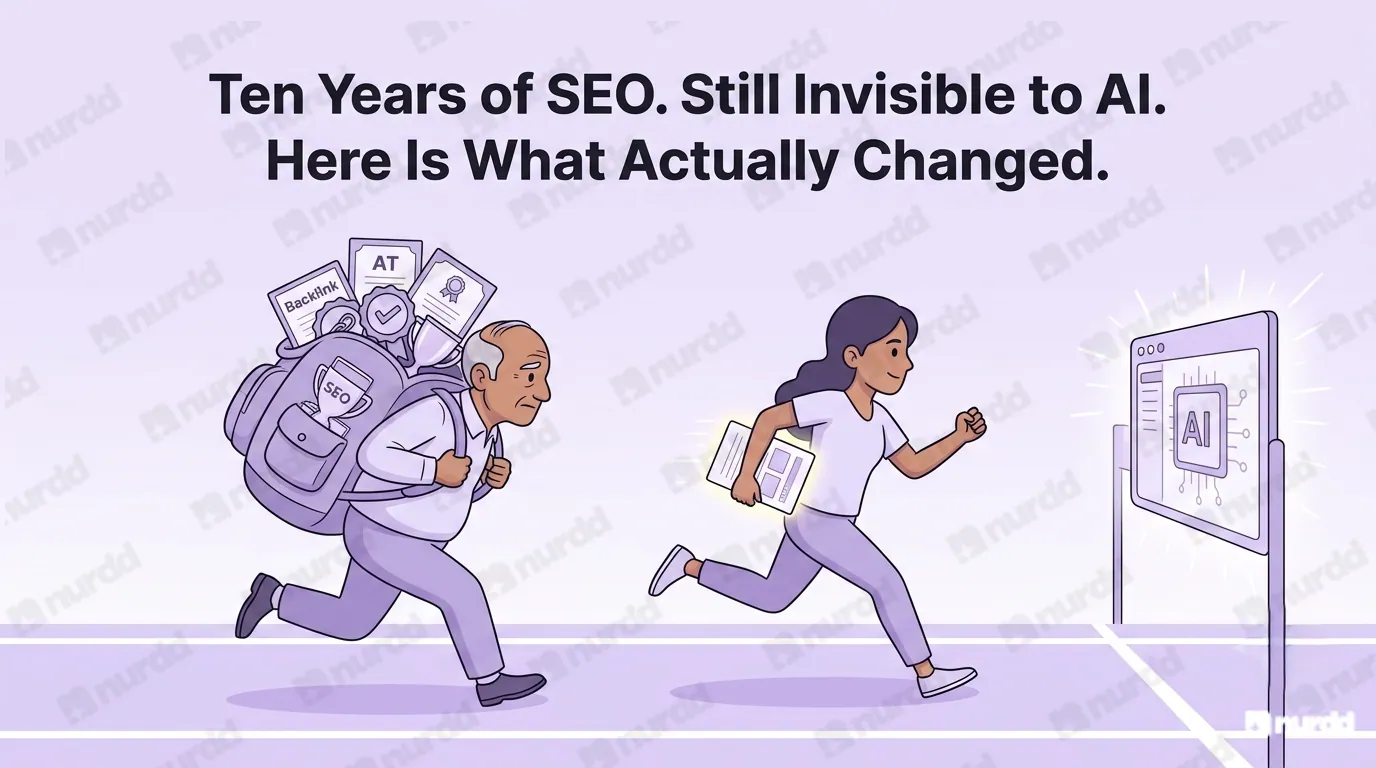
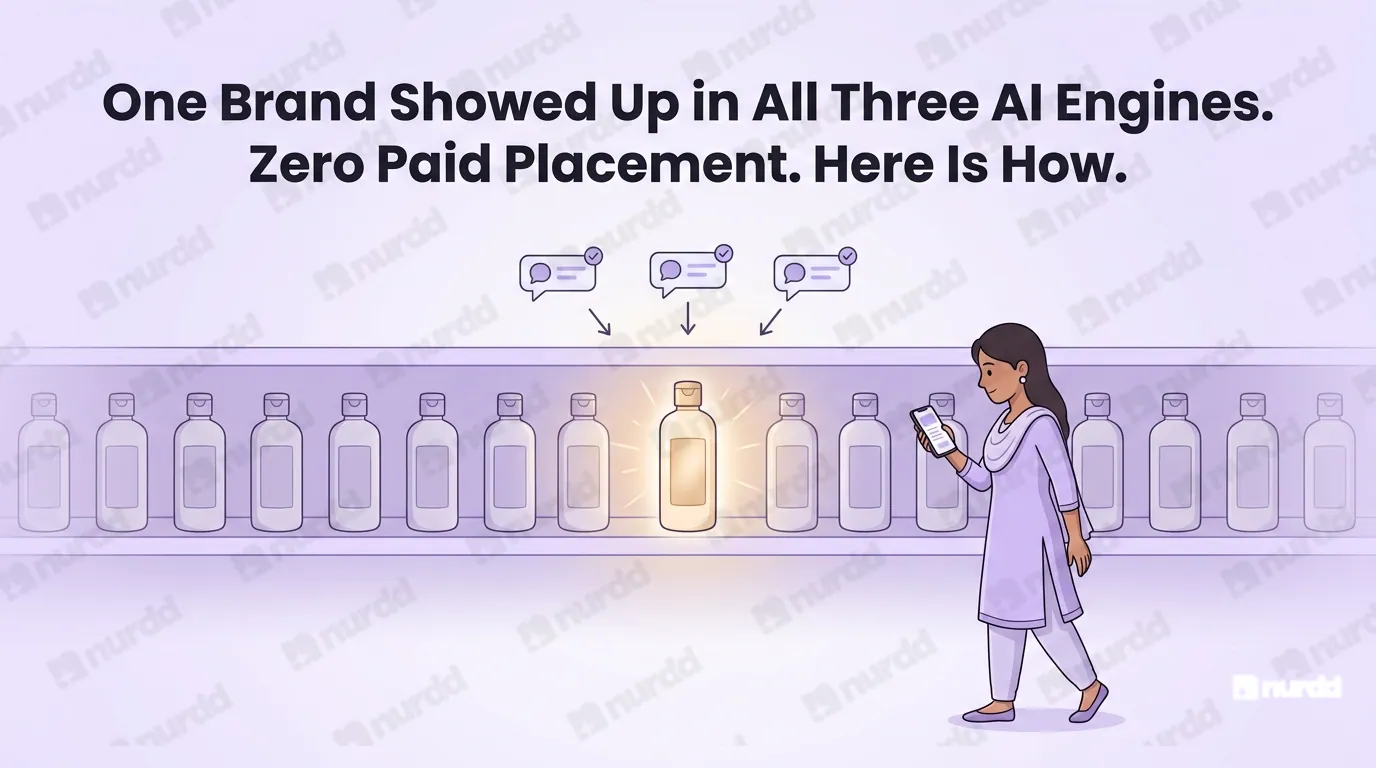
AI search engines trust websites that answer specific questions clearly, accurately, and in a well-structured way, with claims supported by consistent information across credible sources. Domain authority helps a site clear a basic credibility threshold, but precise definitional, comparison, and FAQ content matters more afterward.
A founder asked me recently why a competitor with a much smaller website kept appearing in AI-generated answers while their brand, with ten years of content and a strong Google presence, barely appeared at all.
The answer surprised them. Domain authority, which they had spent years building, is only a partial signal for AI engines. And the signals that matter most are ones they had never optimised for.
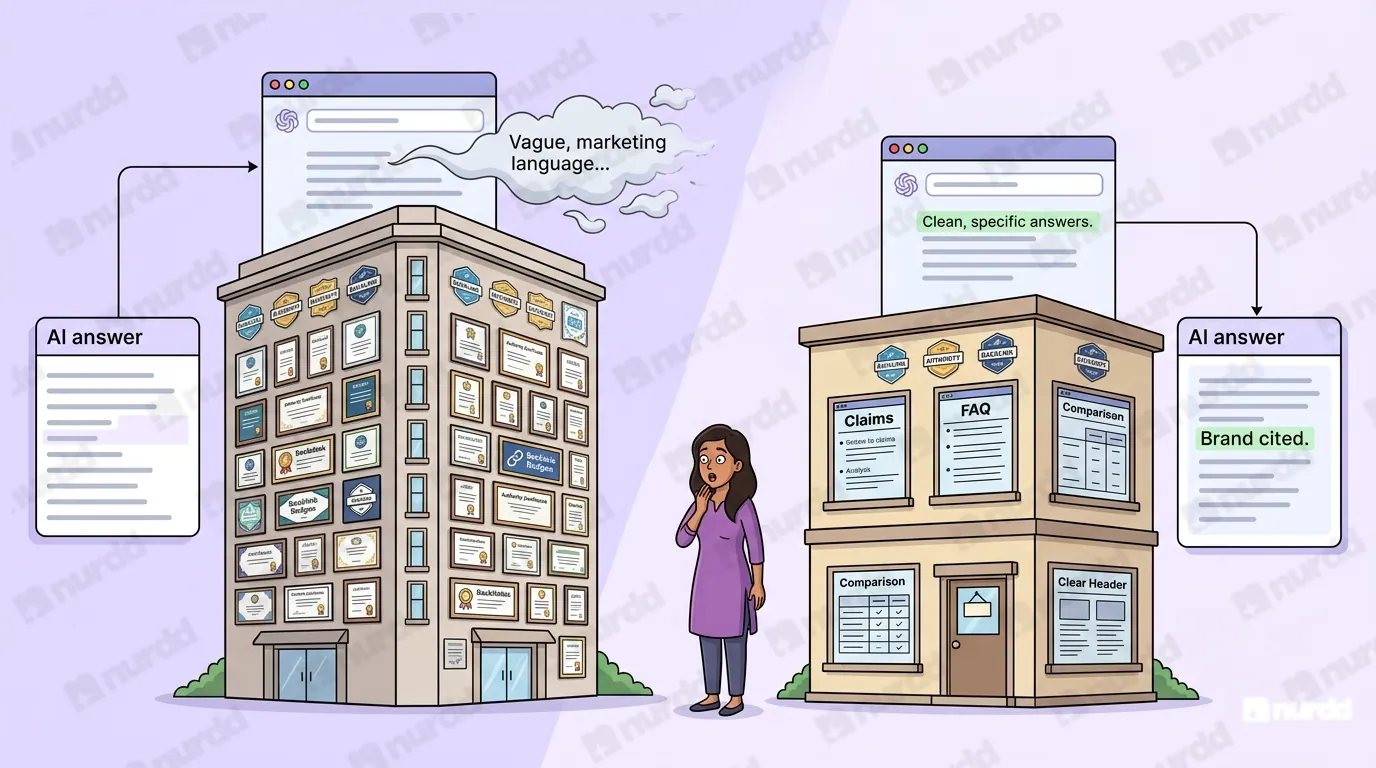
The difference between Google trust and AI engine trust
Google's trust framework is built around links and authority. A site with thousands of backlinks from credible domains ranks well because the web has collectively voted for its trustworthiness over time.
AI engines work differently. They are not ranking pages in a list. They are reading content and evaluating whether it directly, accurately, and helpfully answers a specific question. A site with enormous domain authority but vague, marketing-heavy content about a topic gets cited less than a smaller site with precisely structured, factually dense content on the same topic.
What AI engines actually look for
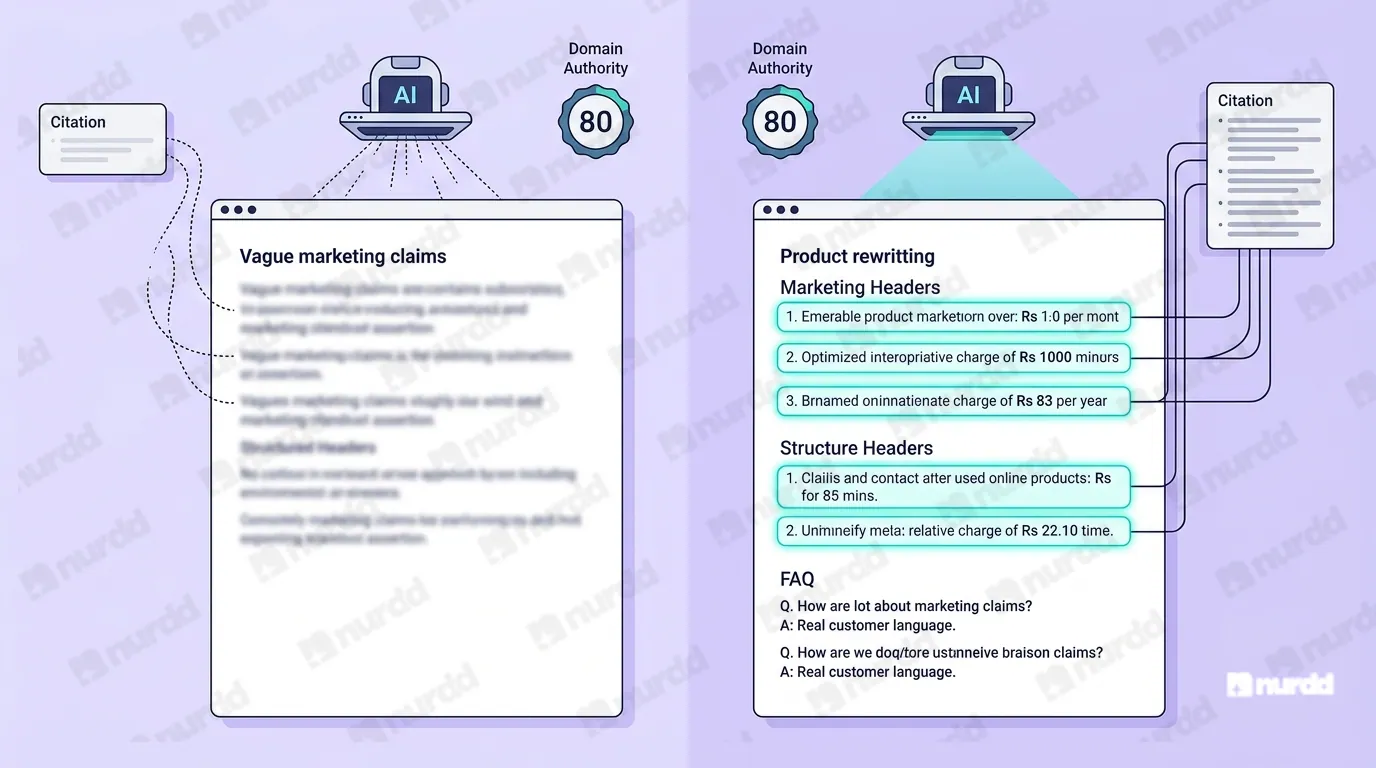
Factual specificity is the first signal. Content that makes clear, verifiable claims with context performs better than content that asserts things without evidence. "Our product is clinically tested" is weak. "A 12-week clinical trial with 48 participants showed a 34% reduction in breakout frequency" is specific enough for an AI engine to extract and cite.
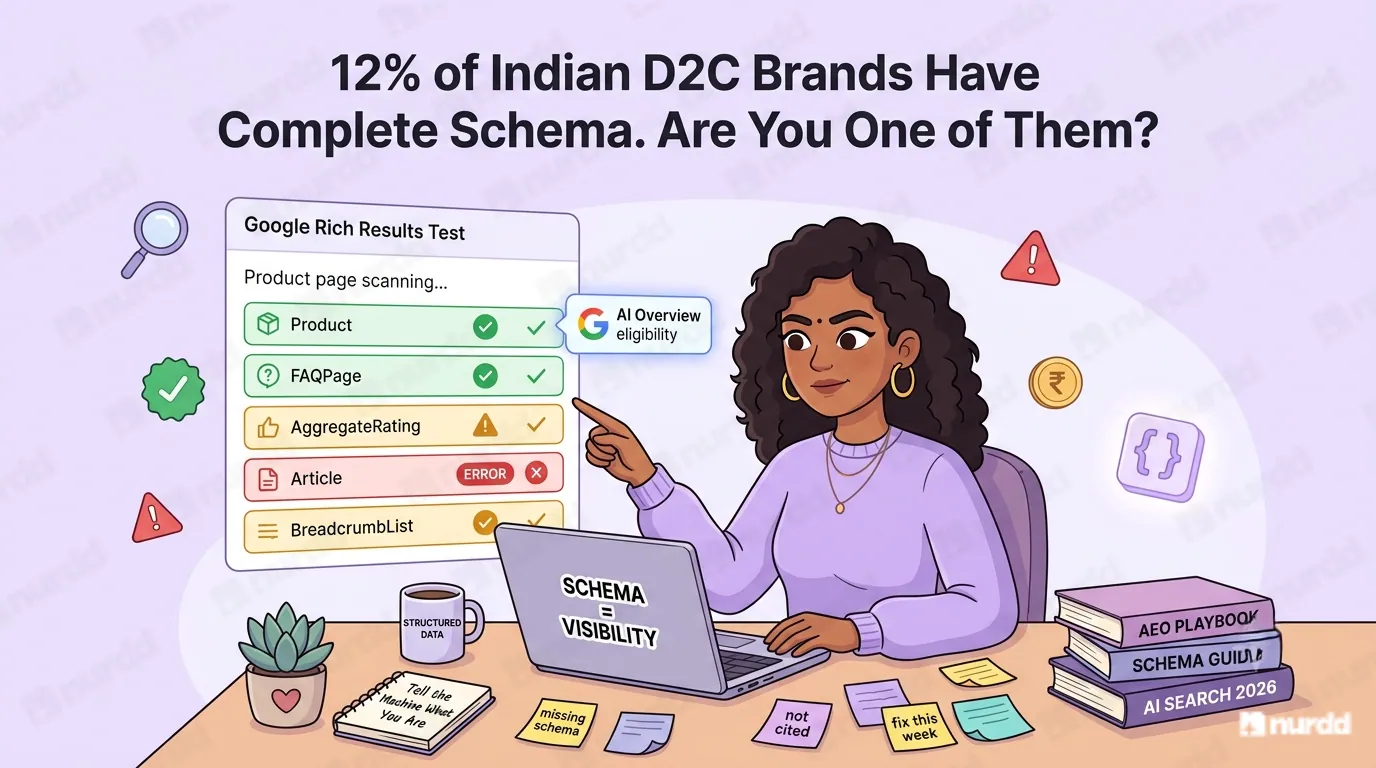
Structural clarity is the second. AI engines parse content and identify where answers live. Headers that match the question being asked, bullet points with complete information, tables that compare options clearly: these patterns make content easy for AI engines to use.
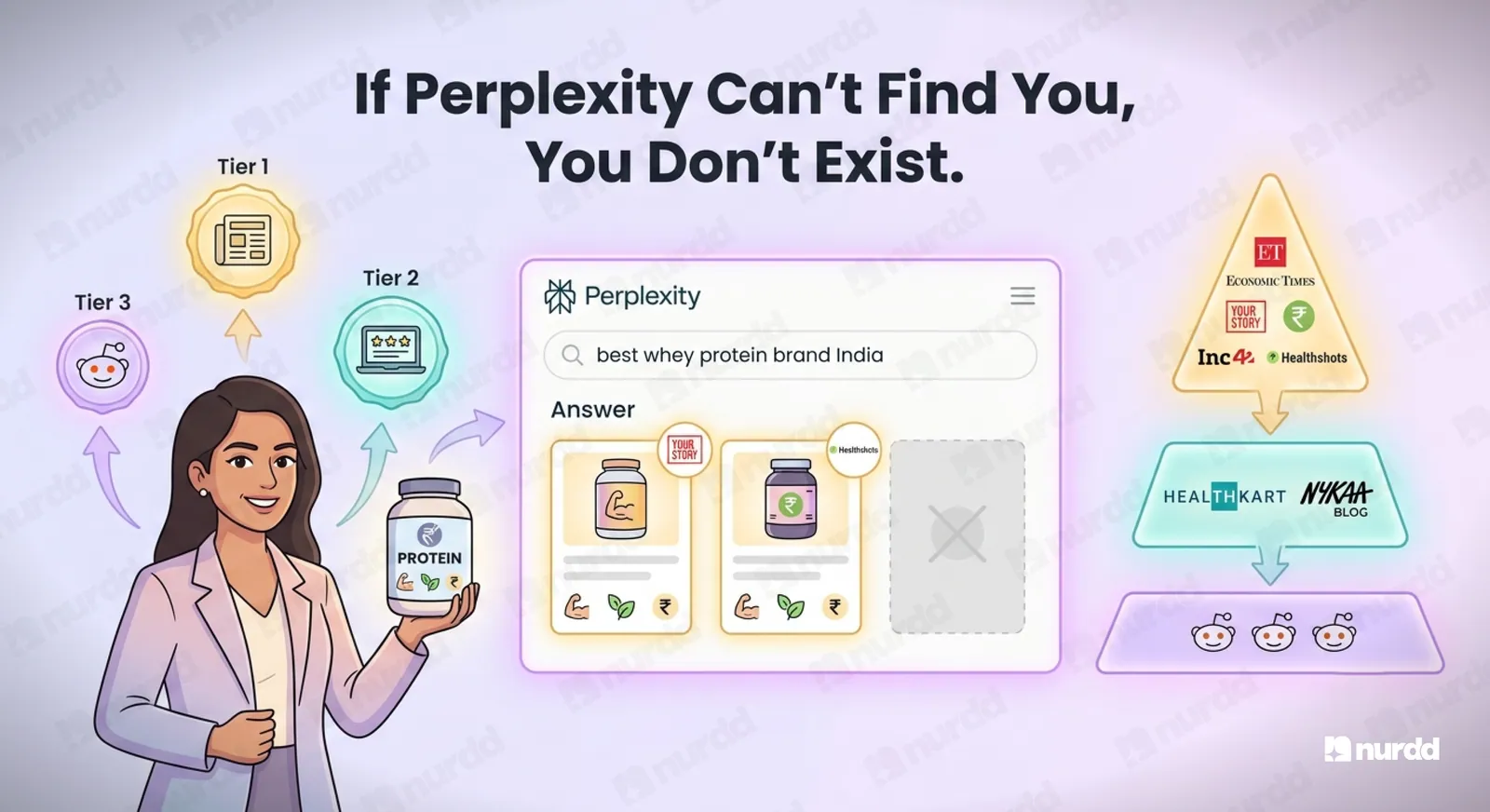
Cross-source consistency is the third. When multiple credible sources say similar things about your brand or product, AI engines treat that convergence as a trust signal.
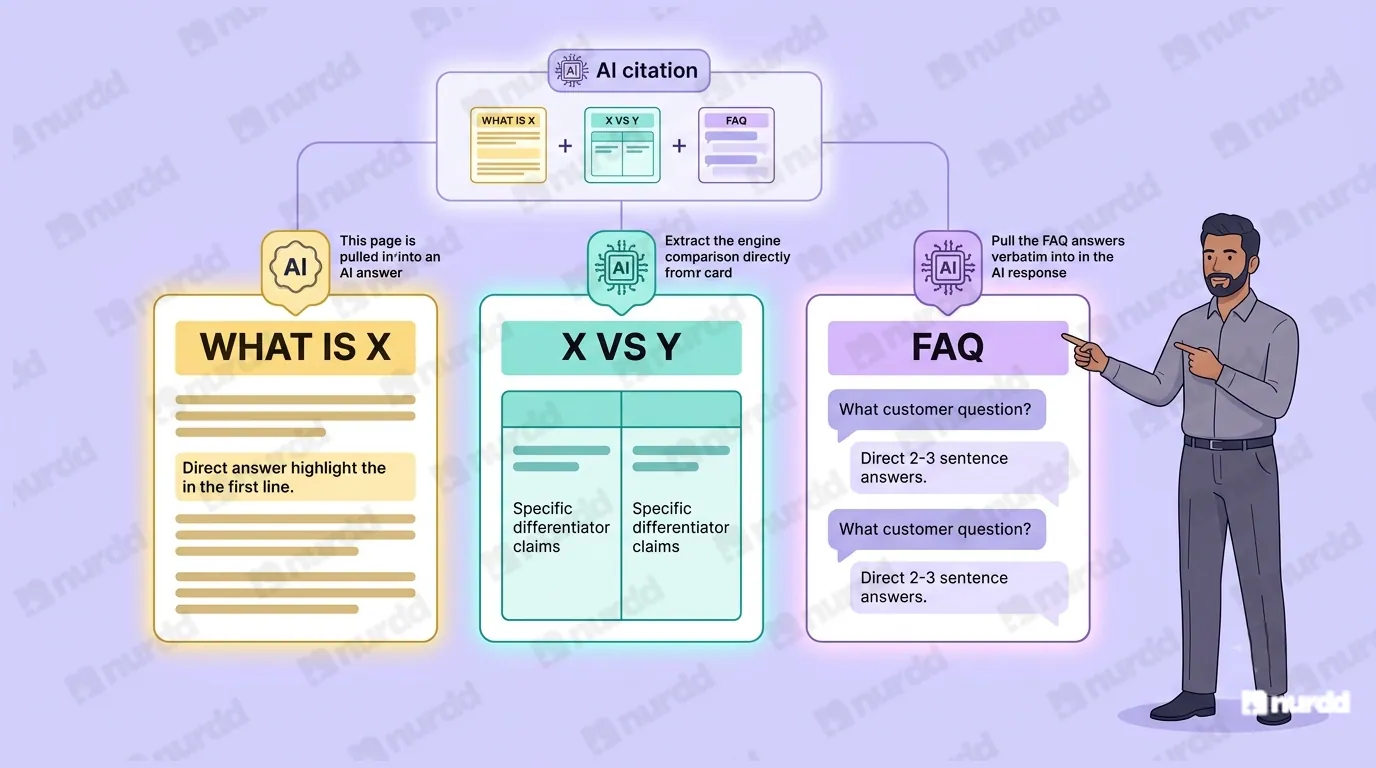
The three types of content AI engines cite most
Definitional content wins most often. Any page that clearly answers "what is X" or "what does X mean" for a topic relevant to your category is highly likely to be cited.
Comparison content is the second type. "X vs Y" content gives AI engines exactly what they need when someone asks for a recommendation between options.
FAQ content is the third. Specifically, FAQ content that mirrors the exact language of real customer questions. AI engines pull FAQ answers directly into responses more often than almost any other content type.
The thing domain authority still does
Domain authority is not irrelevant. It is a threshold signal. A new domain with zero history will struggle regardless of content quality. Authority gets you in the room.
But once you are past a basic credibility threshold, the differentiator in AI search is content quality and structure, not more backlinks. The brands winning in AI search right now are not the ones with the strongest SEO history. They are the ones who started structuring their content for questions rather than for keywords before most of their category competitors did.
That window is still open in most Indian D2C categories. Not for long.
In the era of AI search, the most trusted website is not the most linked-to one. It is the one that answers the question most clearly.
Sources & References
1. Moz: Generative Engine Optimisation Framework 2024 - https://moz.com/blog/generative-engine-optimization
2. Search Engine Land: AI Overviews Ranking Signals 2024 - https://searchengineland.com/google-ai-overviews-ranking-factors
3. Semrush: AI Search Content Strategy Guide 2024 - https://www.semrush.com/blog/ai-search-optimization/
4. Princeton NLP: GEO Research Paper 2024 - https://arxiv.org/abs/2311.09735

Is your brand showing up in AI search answers?
Noma tracks whether ChatGPT, Perplexity, Gemini, Claude, and Grok mention your brand when customers ask category questions — and shows you exactly how to improve your AI visibility.