How Many Influencers Do You Actually Need to Drive Meaningful Sales? The Math Nobody Shows You
 7 Jul 20268 min read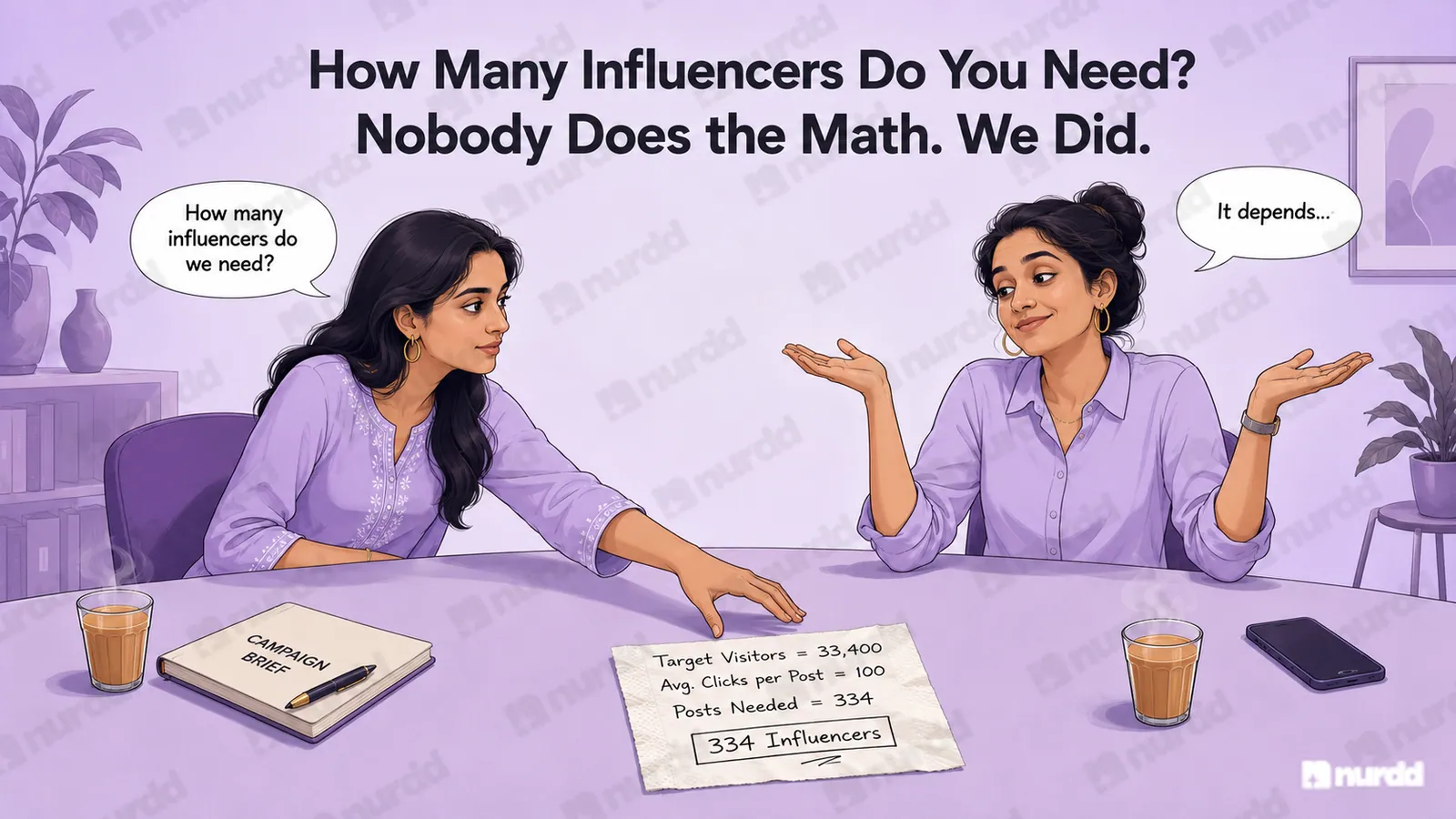
For a Rs 10 lakh monthly revenue goal, plan on roughly 30 to 40 micro creators posting three pieces each. Use a hybrid with a few macro creators for reach and more micro and nano creators for conversion volume, with two to three touchpoints per creator.
At some point in every brand's influencer journey, someone asks the question and nobody gives a straight answer: how many influencers do we actually need? The agency says "it depends." The influencer manager says "let's start with 10 and see." Nobody opens a spreadsheet and does the math. The math isn't complicated. Let's do it.
Start With the Revenue Goal
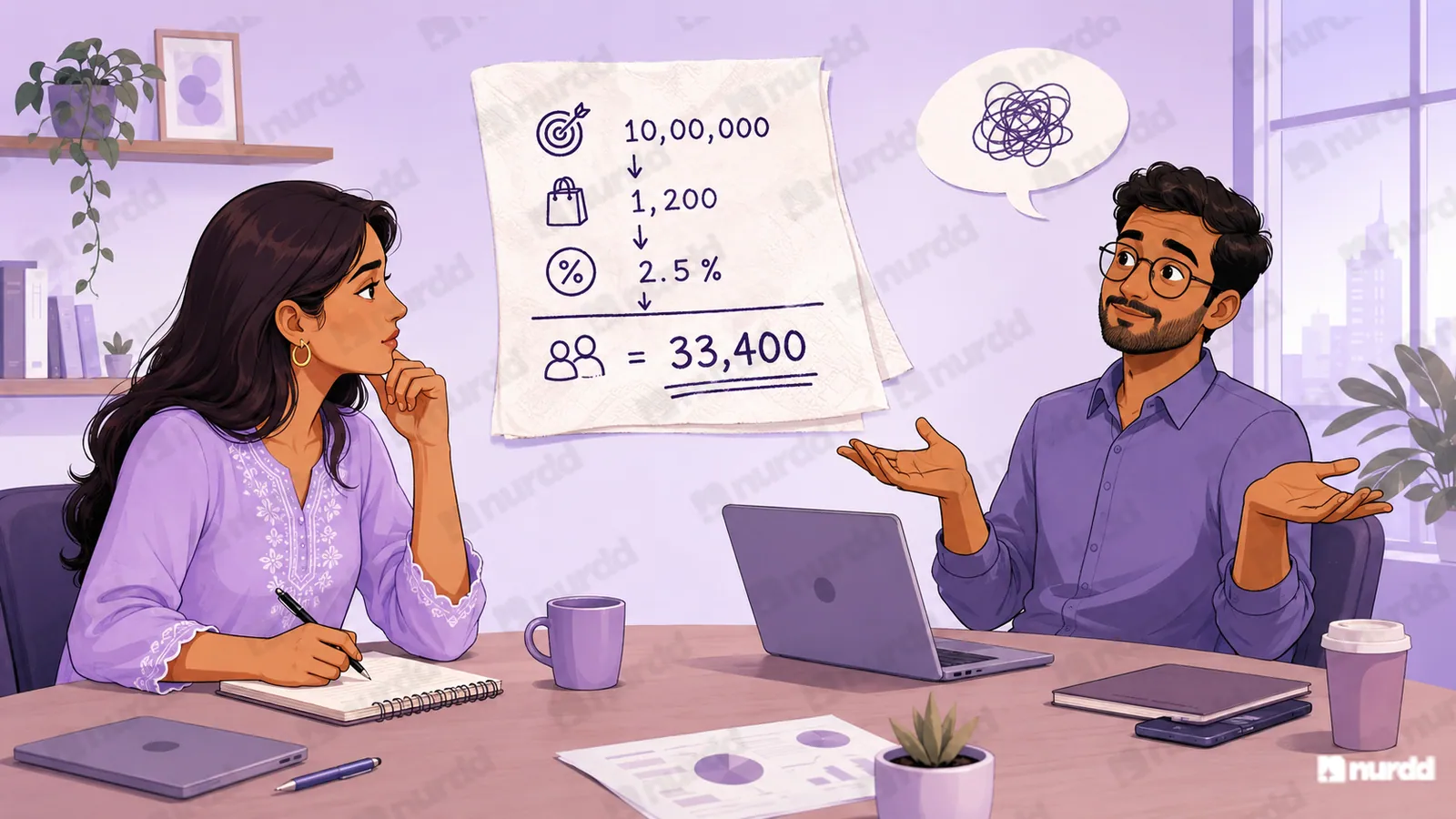
Everything else is backward from here. If you want to drive Rs 10 lakh in revenue from a creator campaign in a given month, you need to work backwards from that number through your known conversion rates. Say your average order value is Rs 1,200 you need roughly 835 orders. Say your website converts at 2.5% to get 835 orders, you need around 33,400 people landing on that product page from creator traffic. Now: what does a creator realistically drive in website clicks?
The Reach-to-Click Reality
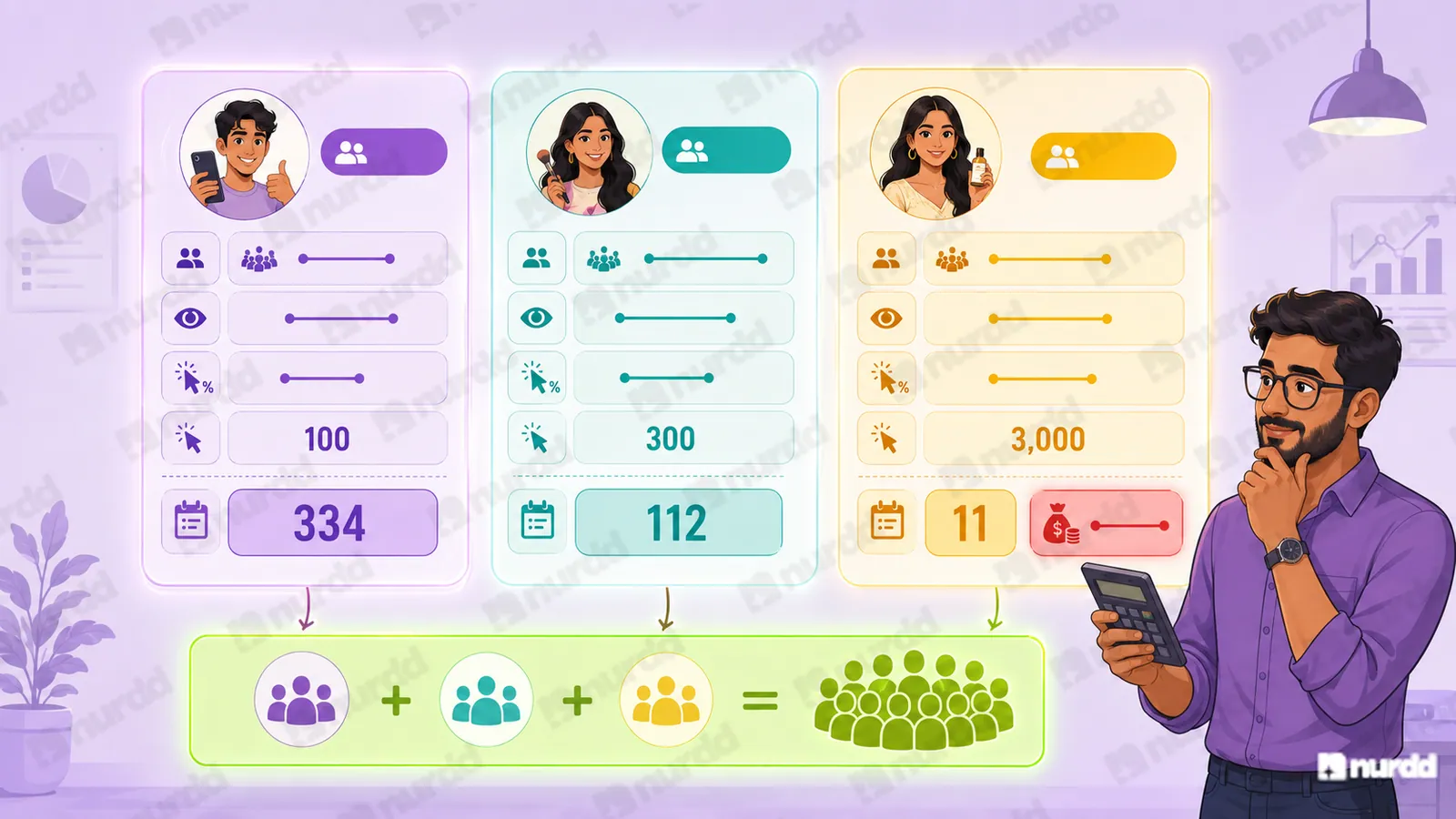
A rough benchmark for a genuine, engaged Indian creator in a relevant category: Nano creator (10K to 50K followers): reach of 3,000 to 8,000 per post. Click-through of 1 to 3%. That's 30 to 240 clicks. Micro creator (50K to 200K followers): reach of 10,000 to 40,000. Click-through of 0.8 to 2%. That's 80 to 800 clicks. Macro creator (200K to 1M followers): reach of 50,000 to 200,000. Click-through of 0.5 to 1.5%. That's 250 to 3,000 clicks.
Back to the Math
To drive 33,400 website visitors using nano creators averaging 100 clicks per post: you need 334 creator posts. Using micro creators averaging 300 clicks: you need about 112 posts. Working with 30 to 40 micro creators posting 3 pieces each over a month gets you close. Using one macro creator at the generous end of 3,000 clicks: you'd need 11 macro posts. At Rs 3 to 5 lakh per macro creator for a sustained campaign, you're looking at Rs 33 to 55 lakh in creator fees to drive Rs 10 lakh in revenue. That math doesn't work. The hybrid approach almost always wins: a small number of macro creators for brand reach, a larger pool of micro and nano creators for conversion volume.
The Category Multiplier
These numbers shift significantly by product category. Wellness supplements, skincare, fitness, and food have dramatically higher creator-to-conversion rates because audience trust in recommendations is higher. Electronics, large furniture, and financial products have much lower rates. A skincare brand might achieve the same revenue target with 40% fewer creator posts than a furniture brand.
The Number Nobody Talks About: Repeat Posts
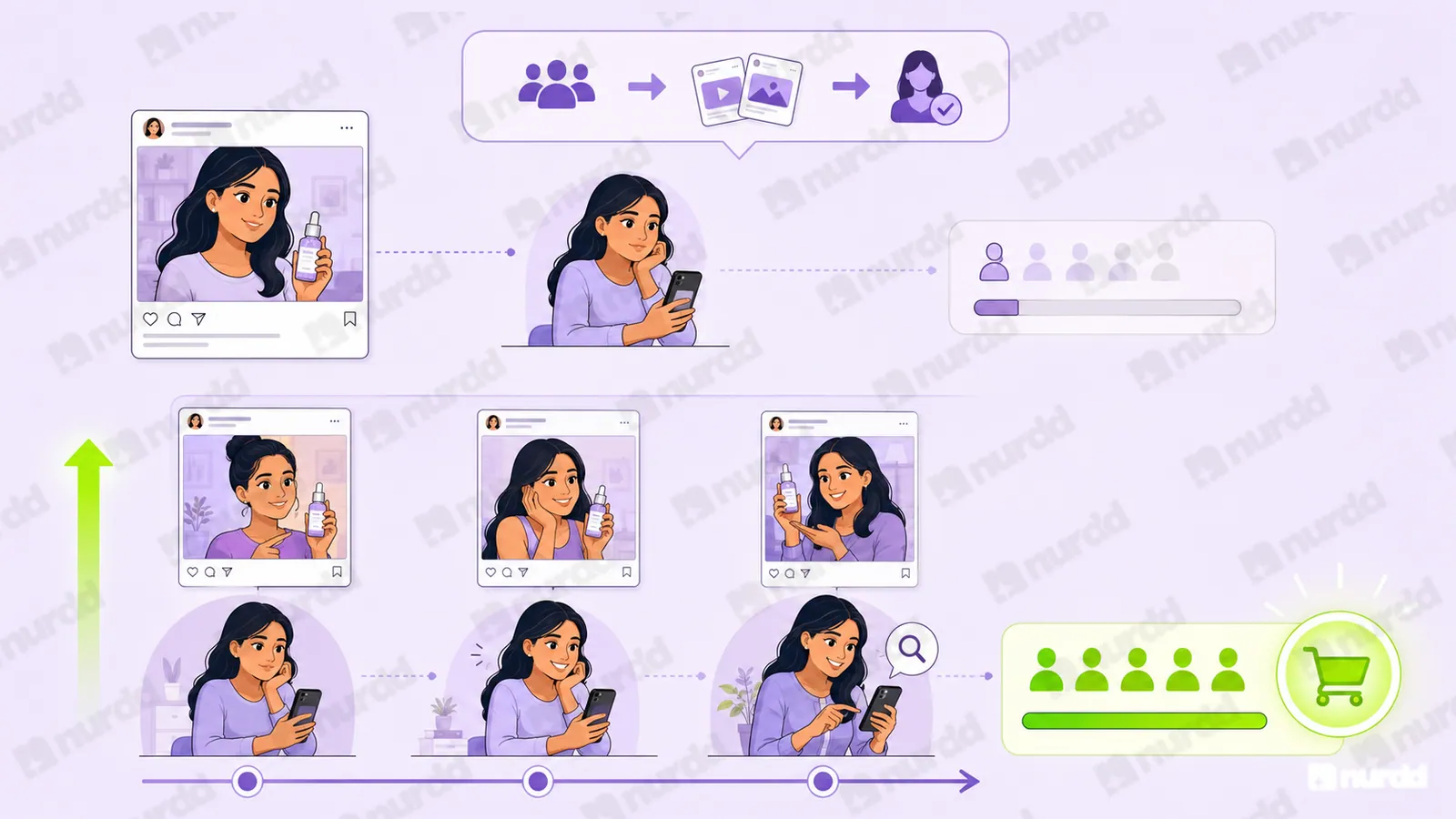
One creator post is not a campaign. Evidence from brands tracking proper attribution consistently shows that consumer exposure to a creator recommendation needs to happen more than once before purchase. A customer who sees a product mentioned by three different creators over 2 weeks is dramatically more likely to buy than one who sees a single post. Budget for at least two to three touchpoints per creator, not one.
Any influencer plan that doesn't start with a revenue number and work backwards is a content plan wearing a marketing plan's clothes.
Sources & References
1. Influencer Marketing Hub — Influencer Marketing Benchmark Report India 2025
https://influencermarketinghub.com/influencer-marketing-statistics/
2. Nielsen — Creator Commerce: Reach to Conversion Rate Study (2025)
https://www.nielsen.com/insights/creator-commerce/
3. Cube Asia — D2C Brand Growth and Creator Attribution Benchmarks India 2025
https://www.cube.asia/reports/d2c-creator-attribution
4. Social Insider — Instagram Creator Engagement and Click-Through Benchmarks 2026
https://www.socialinsider.io/blog/instagram-benchmarks/
5. Traackr — Influencer Marketing ROI Calculator Methodology and Benchmarks

Find the right creators — and verify they're real.
Nia gives brands access to 10M+ Indian creator profiles, TruAI fake follower detection, pre-spend ROI forecasting, and product-level sales attribution. Completely free.