AI Search Visibility
AI Search Is Replacing Google for D2C Brand Discovery
Shoppers increasingly research D2C brands in ChatGPT, Perplexity and Gemini before Google. See what is shifting and how to stay visible in AI search.
 Simran Rawat20 Oct 20267 min read
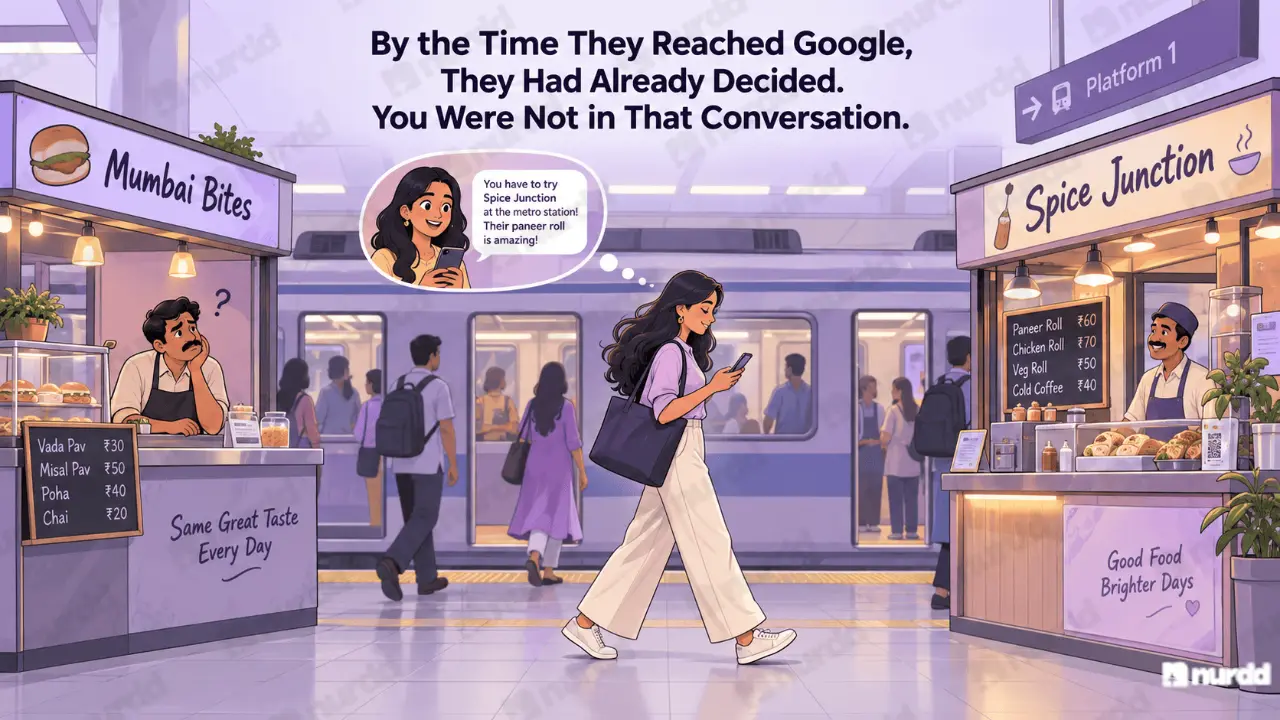
Google is not going anywhere. But for a specific and growing segment of consumers (urban, tech-native, research-heavy buyers in skincare, nutrition, and premium D2C) the product discovery journey is increasingly starting on Perplexity, Gemini, or ChatGPT rather than Google. Here is what that shift means for your brand.
The Nature of the Shift
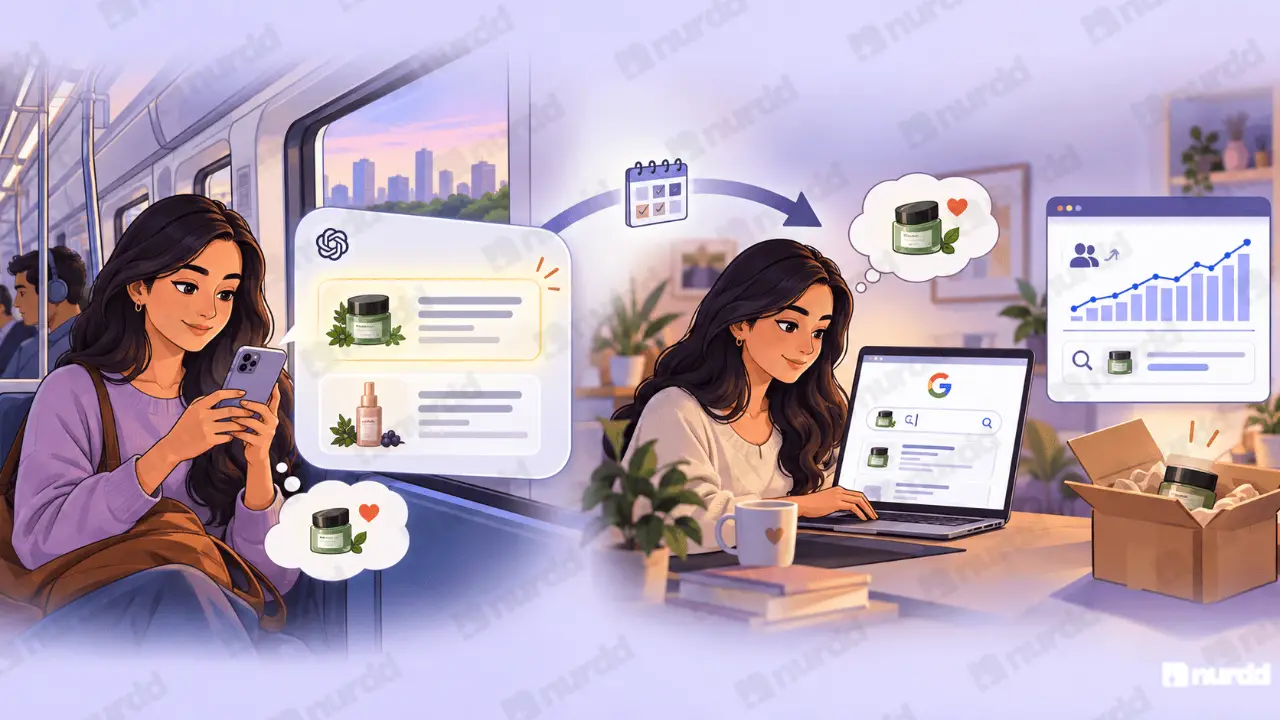
Discovery vs Transaction — Two Different Migrations
The queries migrating from Google to AI engines are not "buy protein powder online" that transactional query still flows predominantly through Google. What is migrating is the discovery and research layer:
What should I look for in a protein powder
What is the best approach to building muscle as a vegetarian
Which skincare routine makes sense for combination skin in a hot, humid climate
These are queries where a buyer is in the research phase before they have decided what product to buy or which brand to trust. If AI engines answer these queries with your competitor's product and your competitor's brand name, you have been excluded from the consideration set before the buyer even reaches Google or your website.
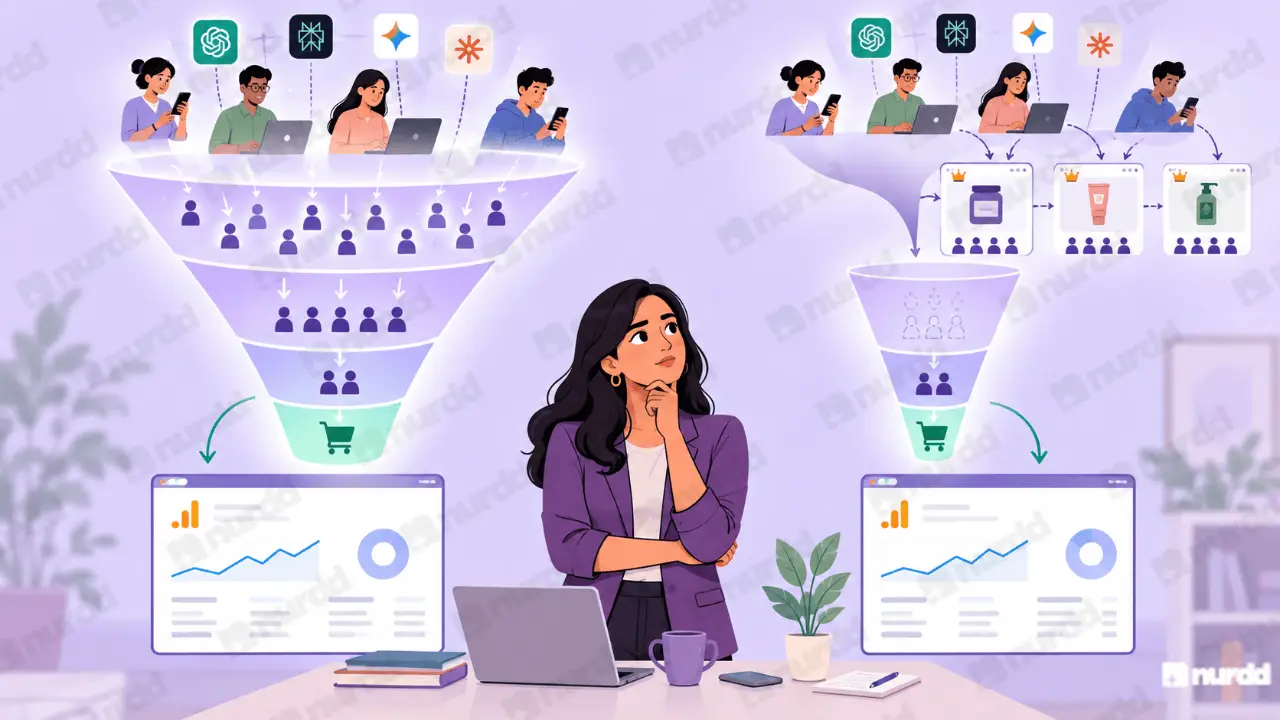
This is a top-of-funnel problem. It will not show up in your Google Analytics organic traffic data because you were never in the journey to begin with.
What the Traffic Data Shows
Why the Shift Is Easy to Miss
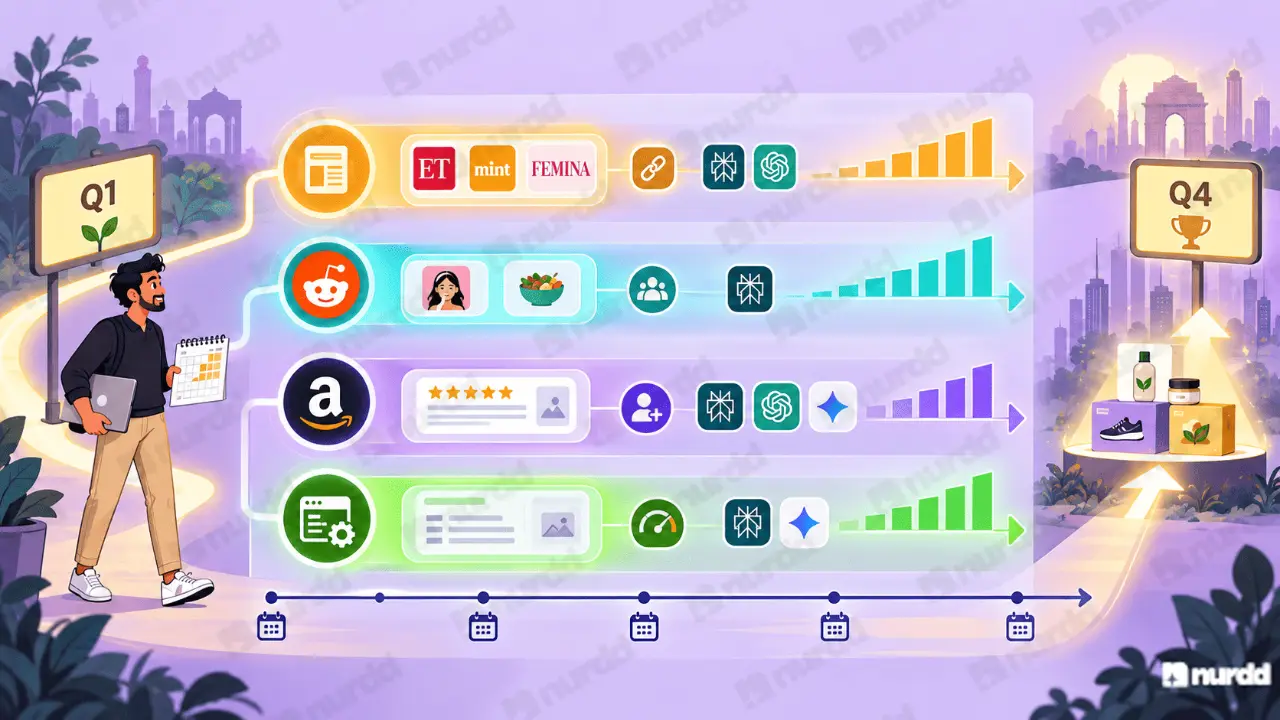
Referral traffic is only the visible part: AI engine referrals are a small but growing slice of organic discovery traffic, and they show up in analytics as referrals from chatgpt.com, perplexity.ai and similar domains.
Most influence never clicks: many buyers read an AI recommendation and act on it later without clicking through, so the engine's role never appears as a session.
Invisible in GA4, real in brand consideration
90–180 days to build meaningful AI discovery visibility from scratch (Not a campaign a programme)
What to Build
The Content That Appears in AI Discovery Responses
The content that appears in AI discovery responses is overwhelmingly:
Editorial mentions in publications with domain authority above 40
Product pages with specific ingredient and outcome claims
FAQ content that directly matches the buyer's research question
Review content from platforms AI engines trust: Google, Amazon, reputable health and lifestyle sites
Building AI discovery visibility is a 90 to 180 day programme. The brands appearing in AI discovery for D2C categories in Q4 2026 started building this visibility in Q1 and Q2.
How to Appear Where Discovery Happens
The Sources AI Engines Pull Discovery From
AI discovery responses for product category queries draw from a predictable set of sources. In order of citation frequency for the D2C categories we track:
Source Type | Perplexity | ChatGPT | Gemini | Effort to Build |
|---|---|---|---|---|
Top-tier editorial (major national business and lifestyle titles) | High | High | High | High — 4 to 8 weeks per placement |
Reddit discussions | Very High | Moderate | Low | Moderate — community-driven |
Amazon product reviews | Moderate | Moderate | Moderate | Low — encourage buyers to post |
Your own product page | Moderate | Low | Moderate | Low — format and schema improvements |
YouTube review videos | Low | Low | High | Moderate — creator collaboration |
Quora answers | Moderate | Low | Low | Low — founder or team can answer |
The distribution of effort across these source types should reflect which AI engines matter most for your category. If Perplexity is where your buyers research, Reddit presence and top-tier editorial are the highest-priority investments; if Gemini matters more in your category, YouTube review videos move up the list.
"Your brand is not being found or not found on Google. It is being found or not found before Google. That is a different problem and needs a different solution."
Sources and References
SparkToro – AI engine discovery: traffic share and growth data resources
eMarketer – AI search adoption among consumers
Search Engine Land – AI search vs Google: brand discovery research
Nurdd / Noma – AI search discovery vs Google referral traffic resources for D2C brands