Influencer Marketing
How to Find Fashion Influencers: A Vetted Guide
Find fashion influencers by platform, competitor tags and communities, then vet for fake followers, check rates by tier and set disclosure rules.
 Sheetal Shakshi11 Nov 202615 min read
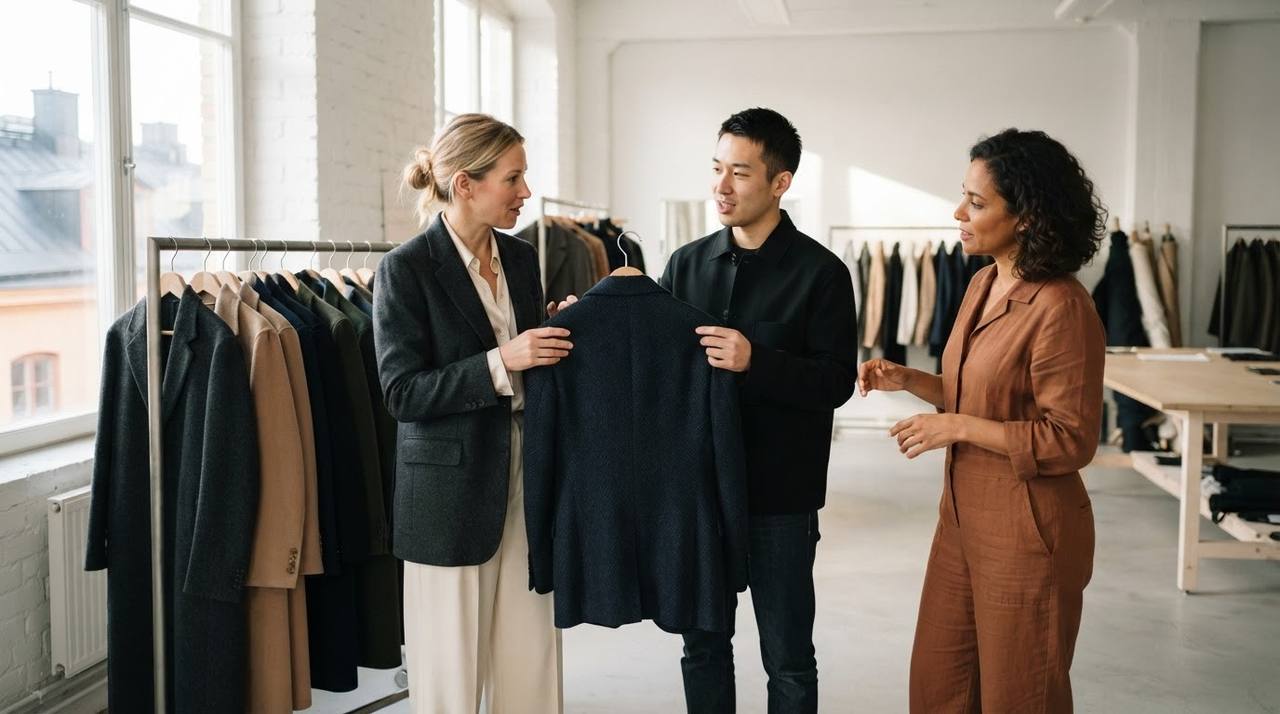
To find fashion influencers, search Instagram, TikTok, YouTube and Pinterest, mine competitor tags and fashion communities, then vet each creator for fake followers, comment quality and audience location. Published rates are by tier and platform, not by fashion niche, and disclosure rules apply to gifted product as well as paid posts.
To find fashion influencers, search the platforms where style is shown (Instagram, TikTok, YouTube, Pinterest), mine competitor tags and fashion-specific communities, then vet every shortlisted creator for fake followers, comment quality, audience location and brand fit before you agree a rate. Discovery takes an afternoon; vetting is what decides whether the money works.
Key takeaways
- Start from the garment and the customer, not the follower count. A creator who already wears your price point and silhouette beats a bigger name who does not.
- Competitor tags and fit-check or styling content surface creators faster than generic hashtag browsing, because the audience is already buying in your category.
- Run every shortlist through the free fake follower checker and read the comments before you ask for a rate.
- Published rates are by tier and platform, not by fashion niche. Compare quotes on the all-in price, including whitelisting and usage rights.
- Disclosure rules apply to gifted product too. Put the label requirement in the brief, not in a follow-up email.
- Luxury and premium labels need a stricter fit test than mass apparel: tone, setting and the company a creator keeps matter as much as reach. See Nurdd's luxury industry page.
What makes fashion different from other creator niches?
Fashion is visual, seasonal and highly personal. A buyer does not just need to trust a creator; they need to see the item on a body and in a life that looks like theirs. That changes how you search. Fit, fabric and styling are the product, so creators who show garments in motion, in several outfits and in real light carry more weight than creators who post one polished studio shot.
It also changes what can go wrong. Fashion audiences are quick to spot a creator who has never worn the brand before, and quick to call out one who promoted a competitor last week. That sensitivity is why Nurdd's fashion and apparel industry page and its luxury page treat creator selection as a brand decision, not only a media-buying one.
Four segments need different handling:
| Segment | What the creator needs to show | Typical search angle | Main risk |
|---|---|---|---|
| Mass and fast fashion | Trend speed, outfit variety, try-ons | Haul, try-on and outfit-idea content on TikTok and Instagram Reels | Creators saturated with competing codes |
| Premium and contemporary | Consistent personal style, quality cues, repeat wear | Styling and capsule-wardrobe content, YouTube lookbooks | Weak fit between creator taste and brand tone |
| Luxury and accessories | Taste, restraint, credible setting, long-term fit | Fashion week coverage, editorial-style feeds, collector communities | Association risk and counterfeit or "dupe" content next to your brand |
| Niche categories (footwear, denim, vintage, sustainable) | Product knowledge and an engaged enthusiast audience | Specialist communities and review-style videos | Small audiences that look expensive per reach |
How do you find fashion influencers manually, step by step?
Manual search costs time, not money, and it teaches you the vocabulary of your own category. This is the order that works best for fashion, platform by platform. Terms and tags below are described generally; check each platform's own search to see what is active today, because trends in fashion content turn over quickly.
1. Define the customer in one sentence
Write who wears the product, where, and at what price point. "Women commuting to office jobs who buy tailored basics" gives you search terms. "Fashion lovers" does not. This sentence becomes your filter when you look at a creator's audience later, and it stops a good-looking feed from distracting you from a poor audience match.
2. Search Instagram by words, tags and tagged photos
Instagram search matches account names, bios, hashtags and places. Search the garment words your customer would use (the item, the silhouette, the occasion) and open the top results. Then check three places that most guides skip:
- Your own tagged photos. Customers who already post your product are the cheapest and most credible creators you can find.
- Competitor tagged photos. Open a competitor's tagged tab. Anyone posting their product regularly, without a paid-partnership label, is a candidate who already buys in your category.
- Reels audio and collab pages. Outfit-format Reels often credit several creators or reuse the same audio; each one is a lead.
Bio keywords are worth a pass of their own. Stylists, personal shoppers, tailors and wardrobe consultants describe themselves in the bio, and their audiences trust their taste because it is their job.
3. Search TikTok for formats, not just hashtags
TikTok search rewards phrases. Try the formats fashion audiences watch: get-ready-with-me, outfit-of-the-day, try-on, thrift flip, and styling a single piece several ways. Read the comments on the top results for questions like "where is this from?", which signals an audience that shops from the creator rather than just watching.
4. Use YouTube for depth
YouTube suits considered purchases. Search lookbooks, wardrobe-basics videos, honest reviews and "what I bought this season" formats. Long-form creators usually charge more per video, but their videos keep working in search for months, which matters for premium and luxury purchases. The recommended-videos sidebar beside a strong video in your niche is a quick way to find similar channels.
5. Add Pinterest and creator shopping platforms
Pinterest is where outfit planning happens, so style bloggers and pin-led creators matter for seasonal launches. Creator storefront platforms such as LTK show who already drives purchases rather than just views. Open a creator's storefront and note which labels they link to; it tells you who your competitors and neighbours in the market are working with.
6. Read communities, not just feeds
Fashion subreddits such as r/malefashionadvice and r/femalefashionadvice show which creators and brands real shoppers recommend and distrust. Treat this as listening, not outreach. Specialist forums for sneakers, vintage and denim work the same way. Names that come up repeatedly and unprompted are worth shortlisting.
7. Go where the fashion industry gathers
Fashion weeks in New York, London, Milan and Paris, trade shows and brand pop-ups bring creators, stylists and editors into one place. For luxury, an invitation-led event is often how long-term ambassadors are found. Watch who is tagged at events your competitors host, and who photographs the product naturally rather than staging it.
8. Search outside the platforms
Search engines and AI assistants return blogs, newsletters and press features that name creators. Query the garment plus "style blogger" or "creator" and the city you sell in. Newsletter writers and independent fashion critics are often undervalued relative to their influence on buying decisions, and their readers are accustomed to acting on a recommendation.
9. Build a shortlist sheet
For each candidate record: platform handle, follower count, average engagement across the last twelve posts, content format, audience location, competitor brands worked with, contact route and a one-line fit note. A consistent sheet lets you compare creators on evidence rather than impressions. Nurdd's discovery and qualification scorecard gives a ready scoring frame, and the influencer discovery software evaluation guide helps if you later decide a tool is worth the cost.
How do you vet a fashion influencer before you pay?
Vetting is where fashion campaigns are won or lost, because style audiences are easy to fake at the surface (a clean grid and a high follower count) and hard to fake underneath (real conversations and repeat buyers). Work through this ordered checklist for every shortlisted creator.
- Run the free checker. Paste the handle into Nurdd's fake follower estimator, which scores how many followers are likely fake from engagement. Treat the score as a screening step, not a verdict.
- Read the comments, not the count. Look for specific, varied comments about the clothes ("does this come in tall?") rather than strings of emoji or generic praise. The patterns are laid out in Nurdd's guide to fake follower red flags in comments and growth.
- Check the follower growth curve. Steady growth with occasional spikes tied to real viral posts is normal. A vertical jump with no matching content, followed by flat engagement, is a flag.
- Check audience location. A creator with a large audience in a country you do not ship to is expensive reach. Ask for audience analytics screenshots and compare them with your shipping and sizing markets.
- Compare engagement with tier norms. Use the Instagram engagement rate calculator on the last several posts rather than the best one.
- Review past sponsored posts. Do brand posts get comparable engagement to organic posts? A steep drop suggests an audience that tunes out advertising.
- Check competitor saturation. If the creator promoted several competing labels in the last month, your post will be one of many.
- Check content fit and safety. Scroll back far enough to see tone, controversies and the brands they associate with. This matters most in luxury, where a single association can undo a launch.
- Request proof of past results. Ask for link-click or code-redemption screenshots from previous campaigns, and treat missing proof as information.
The full audit method is in Nurdd's guide to vetting an influencer's audience before paying and the fake follower audit checklist.
How much do fashion influencers cost?
Published influencer rates are given by follower tier and platform. In the sources reviewed for this guide they are not published by fashion niche, and the largest paid-deliverable dataset found states that its data is weighted toward sports, wellness, food and lifestyle. So the honest benchmark is a tier benchmark, adjusted for your category. Nurdd's broader analysis is in influencer rates by tier, and you can sense-check any quote in the free influencer rate card.
The strongest transaction-based figures come from OpenSponsorship, July 2026, which analysed 1,527 paid deliverables:
| Creator tier | Followers | Median paid cost per deliverable | Median cost per engagement |
|---|---|---|---|
| Nano | Under 10K | $134 | $3.11 |
| Micro | 10K to 50K | $150 | $3.05 |
| Mid-tier | 50K to 250K | $417 | $7.07 |
| Macro | 250K to 1M | $517 | $4.39 |
| Mega | 1M+ | $2,727 | $5.00 |
OpenSponsorship notes that each engagement figure rests on a smaller sample than the full set, so treat these as tier medians rather than fashion prices.
Rate cards run higher than transactions. Influencer Marketing Hub, updated October 2026, puts micro creators (10K to 100K followers) at $100 to $500+ per Instagram post and says Reels generally command higher fees than static posts, with Story packages typically priced below permanent feed content. Later, July 2026, gives $500 to $1,500 for a micro-creator feed post and $800 to $2,500 for Reels or TikTok videos. Platform-specific figures are in Nurdd's TikTok influencer rates guide.
For the one niche-level number available, Collabstr's 2026 report, as quoted in Nurdd's rates analysis, lists Fashion at $217 as an average brand payment per collaboration, between the lowest niche in the table at $210 and the highest at $309. Collabstr says about 80% of collaborations on its marketplace cost under $300, and its marketplace leans toward smaller brands and smaller budgets. The report page could not be opened directly when this guide was prepared, so verify the figure on Collabstr's report before you quote it.
What pushes the price up inside a tier?
- Format. Video costs more than a static post, and a bundle of feed post, Stories and basic usage rights costs more than any single item.
- Whitelisting. Later says running creator content as paid ads typically adds 30 to 50 percent to the base rate.
- Usage rights. Later's FAQ says usage rights typically add 30 to 50 percent to the base rate. Fashion brands reuse imagery heavily on product pages and in campaigns, so price this line separately. Nurdd's guide to what to include in an influencer rate card lists the lines to ask for.
- Exclusivity. A creator who agrees not to promote competitors for a period will charge for it. Ask for a separate line.
Worked example (illustrative)
The numbers below are illustrative arithmetic using Later's ranges, not a real quote. A micro creator quotes a $1,000 base fee for one Reel featuring your jacket. You also want to run the Reel as a paid ad and reuse the images on your product page.
| Line | Illustrative amount |
|---|---|
| Base fee | $1,000 |
| Whitelisting, 30 to 50 percent of base | $300 to $500 |
| Usage rights, 30 to 50 percent of base | $300 to $500 |
| All-in price | $1,600 to $2,000 |
If a second creator quotes $800 but charges for rights separately, the all-in comparison can flip, so always compare the all-in figure. A second illustrative calculation uses OpenSponsorship's micro median of $3.05 per engagement: $1,000 buys about 328 engagements at that rate (illustrative, since your category and creator will differ). At the mid-tier median of $7.07, the same $1,000 buys about 141. This is why a group of micro creators often beats a single mid-tier creator on engagement per dollar, though not necessarily on reach. To model the revenue side, use the influencer ROI calculator.
What rules apply to fashion influencer posts?
This section is not legal advice. Check the rules of each market you advertise in, and ask a qualified adviser if a campaign is large or sensitive. Fashion has no single product-claims regime like supplements do, but disclosure, gifting and endorsement rules apply to every post. Sustainability and material claims, and counterfeit goods, add fashion-specific risks that your brief should address.
Disclosure and gifted product
The US Federal Trade Commission's Disclosures 101 for Social Media Influencers (November 2019) says a relationship must be disclosed when there is a material connection to a brand, including free or discounted products. It says disclosures must be hard to miss and placed with the endorsement itself, not buried in a profile or behind a "more" link. In videos the disclosure should be in the video itself, and the FTC advises simple terms such as "ad" or "sponsored" rather than vague tags.
The FTC's Endorsement Guides Q&A says brands remain responsible when others promote their products, and recommends training, monitoring and pre-approval of paid posts. It adds that "Gifted" alone is likely ambiguous, while a clearer form such as "Gifted by" the brand should suffice when a free product is all that was received.
In the United Kingdom, the Advertising Standards Authority's guidance on recognising ads on social media expects an upfront "Ad" label. It says terms such as "Gifted", "Sponsored" and "#BrandAmbassador" are unlikely to be clear enough on their own, and that affiliate links or codes make content advertising. It also says both the brand and the influencer must ensure ads are obviously identifiable.
Practical rules for your brief
- Require the label to appear at the start of the caption or in the video itself, in the wording your target market's regulator expects.
- Require platform branded-content tools where they exist, and add a written label too.
- Pre-approve drafts for paid posts and keep a record of what was approved.
- Put gifted and affiliate content under the same rules as paid posts.
- For sustainability or material claims (for example "recycled" or "organic"), approve the wording against evidence you hold. Do not let a creator improvise claims you cannot back up.
- For luxury, add an association clause: creators should not promote counterfeit or imitation products during the term.
How do you find luxury and premium fashion creators specifically?
Luxury inverts several mass-market rules. Reach matters less than taste and context, a creator's setting is part of the endorsement, and long-term relationships beat one-off posts. Use the manual steps above but change the filters:
- Search editorial-style feeds, fashion-week coverage and collector communities rather than haul or deal content.
- Look for creators who show restraint: fewer brand posts, longer gaps, careful captions.
- Check which brands they have clearly stayed away from, as well as those they have promoted.
- Meet them at events before pitching. Cold outreach performs worst in this segment.
Nurdd's luxury industry page, linked above, sets out how premium labels can approach creator programmes without diluting the brand.
How do you reach out to fashion creators?
Keep the first message short and specific. Name one piece of their content you liked, say what you are offering (paid post, gifted product, long-term ambassador role), give a deadline and one clear next step. Find contact details in the bio, the link page or a business email on the profile. Offer product with a fair fee to micro and mid-tier creators, and reserve gifted-only offers for very small creators who have said they accept them.
Brief for outcomes, not just deliverables: the product, the audience, the call to action, the label requirement, the usage rights you want and the dates. A written brief protects you on rights and disclosure and protects the creator from scope creep.
How do you measure whether a fashion creator worked?
Decide the metric before you pay. For product launches, track unique codes or links per creator and compare cost per sale rather than likes. Nurdd's guides on influencer performance attribution and the influencer marketing measurement hub show how to forecast, vet, attribute and report in sequence. Use a separate code or link per creator so results do not blur together, and review them against the forecast you made before booking.
Common mistakes when searching for fashion influencers
- Chasing followers. A mid-sized account with strong comments beats a large one with generic ones.
- Ignoring sizing and shipping. A creator's audience may love the clothes but live where you do not ship.
- Skipping rights. A cheap post you cannot reuse is more expensive than an all-in one you can.
- Treating gifting as consequence-free. Gifted product still triggers disclosure rules, as the FTC and ASA pages above state.
- Booking once. Fashion buyers trust repeat appearances. One post rarely moves a customer.
How does Nia by Nurdd help you find fashion influencers?
Nia by Nurdd is an AI-native creative studio on iOS and Android with influencer marketing built in. Its discovery searches 10M+ creator profiles across Instagram and other platforms, filtering by niche, audience quality, engagement authenticity and brand match. TruAI, Nia's fake follower detection, scores each shortlisted creator, pre-spend ROI forecasts come before anyone is briefed, and the Nurdd SDK attributes product-level sales to each creator. Read more on the Nia page.
Want to see this on your own fashion brand? Book a demo and we will show a shortlist, fake follower scores and a forecast built for your category.
How we researched this
This guide was prepared on 11 November 2026. We reviewed the top-ranking guides for the keyword to see what they cover, and checked regulator guidance (the US Federal Trade Commission and the UK Advertising Standards Authority), published rate studies from OpenSponsorship, Later and Influencer Marketing Hub, and Nurdd's own rate analysis. The Collabstr fashion figure is quoted from Nurdd's analysis because the report page could not be opened during research. We did not interview creators or test any tools hands-on. Nothing here is legal advice. Rates change, so verify them before you budget.
Frequently asked questions
Where is the best place to find fashion influencers?
Instagram and TikTok are the starting points for most fashion brands, with YouTube for considered purchases and Pinterest for seasonal planning. Competitor tagged photos are usually the most productive single source because those creators already post in your category.
How many followers should a fashion influencer have?
There is no single right number. Nano and micro creators have the lowest cost per engagement in OpenSponsorship's July 2026 data, while larger tiers add reach. Choose the tier by your goal, then vet engagement quality.
How do I know a fashion influencer's followers are real?
Run the account through the free fake follower checker, read the comments for specific replies about the clothes, check growth for unexplained spikes and compare audience location with your markets. No single signal is conclusive, so use several together.
How much should I pay a fashion influencer?
Published rates are by tier and platform. OpenSponsorship's July 2026 medians range from $134 per deliverable for nano creators to $2,727 for mega creators. Add whitelisting and usage rights where you need them, and compare quotes on the all-in price.
Do I have to disclose gifted clothing?
Both the FTC and the UK ASA treat free product as a relationship that can require disclosure. Use a clear label such as "Ad" or "Gifted by" the brand, in line with the regulator for each market. This is not legal advice.
Can I find fashion influencers for free?
Yes. Platform search, competitor tags, communities and events cost only time. Tools add speed and data, notably for audience quality and fake follower detection.
What is different about finding luxury fashion creators?
Fit and context outweigh reach. Look at editorial feeds and event coverage, check association risk and plan long-term relationships rather than single posts.