Influencer Marketing
How to Find Food Influencers: A Vetting-First Guide
Find food influencers for a restaurant, packaged food or delivery brand: platform search steps, a vetting checklist, rate benchmarks and disclosure rules.
 Simran Rawat11 Nov 202616 min read
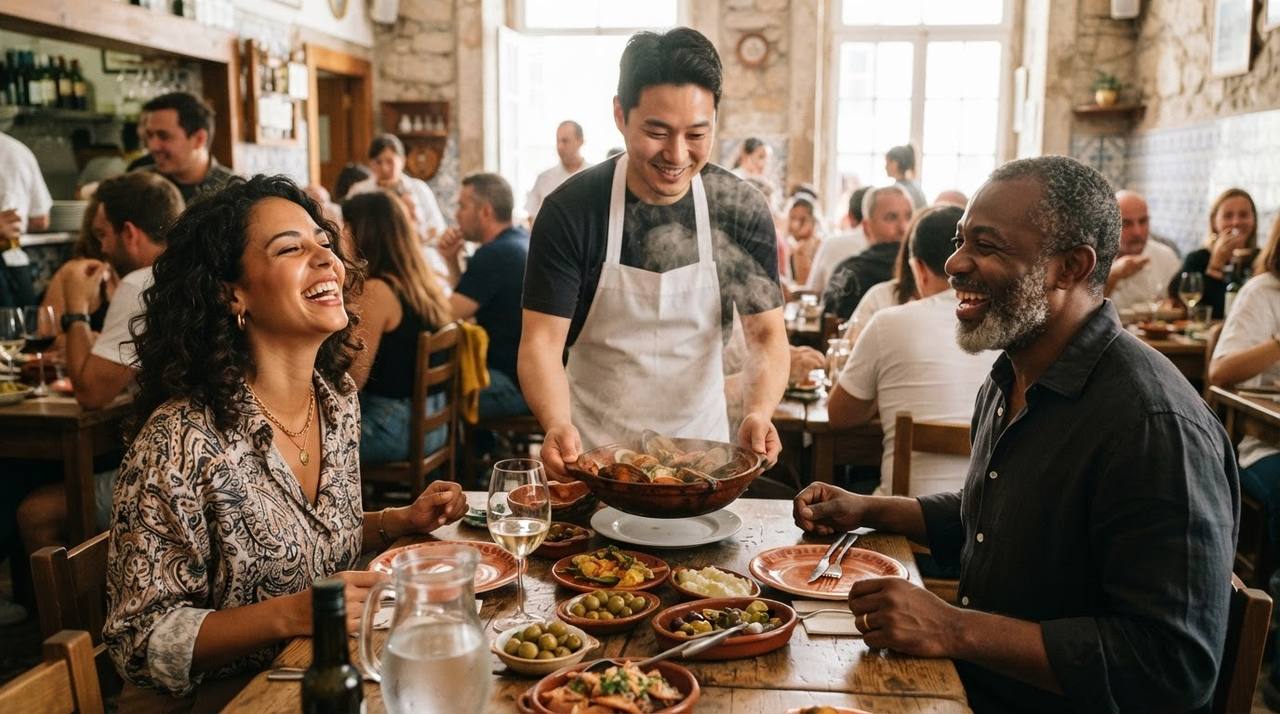
To find food influencers, search Instagram, TikTok, YouTube and Google Maps by dish, city and format, then check competitor tags and local events. Vet each shortlisted creator for fake followers, comments, growth and audience location before agreeing a rate, and brief them on ad labels and food claims.
The way to find food influencers is to start from the place your customers eat or shop, search each platform by dish, city and format, and then vet every shortlisted creator for real audience, local reach and disclosure habits before you agree a rate. A restaurant, a packaged food brand and a delivery app each need a different search, and this guide covers all three.
Key takeaways
- Define where your buyers are before you search. A restaurant needs creators whose followers live within travelling distance; a packaged food brand needs creators whose followers shop in the stores that stock the product.
- Manual search works on Instagram, TikTok, YouTube, Google Maps and Reddit, but it only surfaces creators who already rank well in public search. Pair it with competitor tags and local events to find the ones who do not.
- Vet before you pay: run the fake follower checker, read the comments, check follower growth and confirm audience location.
- Published rates are organised by follower tier and platform, not by food niche, so benchmark by tier and test any quote against the all-in price.
- Food brands carry extra rules: clear ad labels everywhere, and in the UK no unauthorised health claims about food. Brief creators in writing.
Who are you trying to reach, and what does a food creator need to deliver?
Food covers four very different buying situations, and the creator who suits one rarely suits the others. Write down which situation you are in before you open a single app, because it decides the platform, the creator size and the metric that matters.
| Your business | What a creator must deliver | Where to look first | What to check hardest |
|---|---|---|---|
| Single restaurant or small group (see influencer marketing for restaurants) | Bookings and walk-ins from people within reach of the venue | Instagram and TikTok local search, Google Maps reviewers, city food communities | Audience location, and whether followers actually visit places they post |
| Packaged food or drink brand (see food and beverage) | Trial, repeat purchase and a reason to look for the product on shelf | Recipe creators on TikTok, YouTube and Instagram Reels | Whether recipes can be made with your product, and cost per engagement |
| Grocery or retail food (see grocery) | Store visits, basket-building and meal-planning content | Family meal-planning, budget cooking and weekly-shop creators | Audience shopping region and the stores the creator already mentions |
| Food delivery or meal kit | App installs, first orders and promo-code redemptions | Short-form video creators with a habit of ordering in | Unique code or link tracking per creator |
Decide on one primary outcome per campaign. A creator can inspire a dinner booking and a grocery list in the same video, but you cannot measure both from one post. Our guide to how many influencers a brand needs to move sales explains how to size a first test.
What does the top-ranking advice cover, and what does it skip?
Before writing this guide we read the three pages that currently rank highest for the keyword on the date of publication: a food-influencer guide from Modash, one from Stack Influence and one from Influencer Hero. They agree on the basics: define the audience, search the main social platforms, use a discovery tool and check engagement.
On the pages we read, three gaps stood out. None of them gave a step-by-step vetting process beyond a passing mention, none covered sponsored-content disclosure for food brands, and none put published rate benchmarks next to the search steps. This guide fills those three gaps and adds a decision table by business type, a worked budget example and a briefing checklist.
How do you find food influencers manually, platform by platform?
Manual search costs nothing and teaches you what good content in your category looks like. Treat it as research, not as a finished shortlist. The steps below work for any food business; swap in your own city, dish and product words.
Step 1: Search Instagram by dish, city and format
Action: type the dish or product plus the city into Instagram search, then open the top results under Accounts, Reels and Places. Result: you see which local creators the platform already associates with your food. Why it matters: Instagram search leans on captions, location tags and on-screen text, so creators who describe their food and name their city tend to surface.
Try combinations such as a cuisine plus the city name, a dish plus "where to eat", or a diet label plus "recipes". Open the location page for your own venue and for nearby competitors and scroll through tagged posts. Creators who have already eaten in your neighbourhood understand it and cost less to convince. We do not quote hashtag volumes here because they change daily and platforms do not publish stable figures.
Step 2: Search TikTok the way a hungry person would
Action: search the phrases people type when they are deciding where or what to eat, such as "best [dish] in [city]", "what I eat in a day" or "easy dinner with [ingredient]". Result: you see the creators whose videos already answer your customers' questions. Why it matters: TikTok ranks content by relevance to the search, so a creator with a small following can still show up for an exact dish.
Look at which creators repeat a format rather than chasing one viral clip. A creator who posts a recipe series every week is usually a safer bet for a packaged food brand than one with a single breakout video.
Step 3: Use YouTube for recipe depth and longer shelf life
Action: search the recipe or product category on YouTube, then open the sidebar of recommended videos on the best results. Result: a chain of related creators you would not have found by follower count. Why it matters: YouTube videos stay searchable long after posting, which suits brands that want a recipe to keep working for months.
Step 4: Mine Google Maps and review sites for local voices
Action: open your venue and three competitors on Google Maps, read the most detailed reviews and check which reviewers also have public profiles linked elsewhere. Result: a list of people who already write at length about local food. Why it matters: restaurants often get their most credible coverage from heavy reviewers rather than from accounts that post lifestyle content.
Step 5: Read competitor tags and collaboration posts
Action: open the tagged tab of three competitors and note every creator who posted an organic visit. Result: a list split into creators who visit unpaid and creators who post as part of a campaign. Why it matters: you learn who has already covered your category, how often and with what disclosure. A creator who tags competitors every week may be unavailable or may expect a premium.
Step 6: Check communities and events
Action: browse city and cuisine subreddits, local Facebook groups for food lovers, and the guest lists and vendor pages of food festivals, farmers' markets and supper clubs. Result: names of creators and local tastemakers who show up in person. Why it matters: people who attend events can often be invited to a tasting, which costs less than a paid post. Read community rules before you post a request, because many groups ban promotion.
Step 7: Write down what you find in one shortlist
Action: record each candidate's handle, platform, city, format, last post date and how you found them. Result: a sortable list rather than a pile of browser tabs. Why it matters: once you have thirty candidates, patterns show up, and you can see which discovery route produced the best creators. Aim for a longlist that is several times larger than the number of creators you want to hire, then narrow it with the checklist below.
Where does manual search stop working?
Manual search has three limits. It surfaces mostly creators who already rank well, it gives you no reliable view of audience quality, and it is slow once you need more than a handful of names. Discovery tools exist to remove those limits.
Nia by Nurdd is an AI-native creative studio, on iOS, Android and at getnia.studio, with influencer marketing built in. Its influencer discovery covers 10M+ creator profiles on Instagram and other platforms and filters by niche, audience quality, engagement authenticity and brand match score. If you are comparing tools more broadly, our influencer discovery and qualification scorecard lists the questions to ask any vendor.
What is the right order for vetting a food creator?
Vetting is where most food campaigns are won or lost. A creator can have beautiful photography and an audience that is half inactive accounts, or an audience that lives in a different country from your restaurant. Work through these checks in order and stop as soon as a creator fails one that matters to you.
- Run the free checker. Paste the handle into our Instagram fake follower checker. It estimates fake or inactive followers from engagement, so treat the result as a screening signal, not a verdict.
- Read the comments, not just the count. Look for comments that mention the dish, ask where it is, or reply to each other. Strings of emoji, generic praise or identical phrases are warning signs. Our guide to red flags in creator comments and growth shows what each pattern looks like.
- Check follower growth. Scroll back through the creator's posts and watch for sudden jumps that line up with a giveaway or a purchased boost rather than a viral recipe. Steady growth that tracks content is healthier.
- Confirm audience location. Ask the creator for their native analytics screenshot showing top cities and countries. For a restaurant, the share of followers within travelling distance matters more than total reach.
- Calculate engagement properly. Use the Instagram engagement rate calculator on the last ten posts, and compare saves and shares as well as likes, because food content is often saved for later.
- Review past sponsored posts. Check that earlier partnerships were labelled clearly, that the creator covered competitors rarely, and that the food looked like something people would really eat.
- Check fit with your food. Make sure the creator's diet, cuisine or cooking style suits what you sell. A vegan creator will not credibly promote a steakhouse.
- Request a media kit and a reference. Ask for recent campaign results from a brand in a similar category. Answers that are specific are a good sign.
For a deeper process, read how to vet an influencer's audience before paying and the fake follower audit checklist. Both go further than the steps above.
How much do food influencers cost?
Published rate data is organised by follower tier and platform. We found no sourced figures broken out by food niche, so the benchmarks below apply to creators generally. Use them to test a quote, not to predict one.
In July 2026, OpenSponsorship analysed 1,527 completed, paid creator deliverables and reported these medians. We cover the wider picture of influencer rates by tier in a separate guide.
| Creator tier | Followers | Median cost per deliverable | Median cost per engagement |
|---|---|---|---|
| Nano | Under 10K | $134 | $3.11 |
| Micro | 10K to 50K | $150 | $3.05 |
| Mid | 50K to 250K | $417 | $7.07 |
| Macro | 250K to 1M | $517 | $4.39 |
| Mega | 1M+ | $2,727 | $5.00 |
Source: OpenSponsorship, July 2026. The mega row is a small sample, so treat it as directional.
Rate cards from sources that publish asking prices run higher. Later, July 2026, puts micro-creator feed posts at $500 to $1,500 and Reels or TikToks at $800 to $2,500, and says a bundle with a feed post, Stories and basic usage rights can run $1,000 to $3,000+. Influencer Marketing Hub, October 2026, says Reels generally command higher fees than static posts, and that Story packages cost less than permanent feed content.
The gap between what brands paid and what rate cards ask is the reason to compare. Check any quote against our influencer rate card, and see TikTok influencer rates if short video is your main format.
What drives the final price of a food collaboration?
Later reports that whitelisting, meaning running a creator's content as a paid ad, adds 30% to 50% to the base rate, and that usage rights add 30% to 50%. Food campaigns often need both, because a restaurant or brand wants to reuse the video on its own channels. Ask for each line separately, then compare the all-in total.
What is a realistic worked example?
The numbers below are illustrative. They apply the sourced medians above to a made-up budget and are not a forecast or a real quote.
Imagine a neighbourhood restaurant with an illustrative budget of $1,500 for a launch month. It could buy the following mixes.
| Option | How the budget is spent (illustrative) | Arithmetic from the sourced medians |
|---|---|---|
| A: Many small voices | Ten nano creators, one deliverable each | 10 × $134 = $1,340, leaving $160 |
| B: A few local micro creators | Five micro creators, one deliverable each | 5 × $150 = $750, leaving $750 for usage rights and tasting costs |
| C: One larger creator | One macro creator, one deliverable | 1 × $517 = $517, leaving $983 |
At the micro median of $3.05 per engagement, a $1,000 spend buys about 328 engagements, according to OpenSponsorship's figures; at the mid-tier median of $7.07 it buys about 141. That is our arithmetic, and engagements are not bookings. For a restaurant, the stronger lever in this example is option B, because a handful of local creators with a nearby audience can send more diners than a larger audience elsewhere. To project revenue from a budget, try the influencer ROI calculator, and use the marketing budget planner to split spend across creators and paid media.
What rules apply to food influencer marketing?
This section is general information and not legal advice. Rules differ by country, so check with a qualified adviser for the markets where you advertise. The sources below are official regulator pages we read on the publication date.
Disclosure of the brand relationship
In the United States, the Federal Trade Commission's Disclosures 101 for Social Media Influencers says to disclose any financial, employment, personal or family relationship with a brand. It also says the relationship covers more than money: free or discounted products count if a creator later mentions the brand. For food, that matters because sending a free meal or a sample box is the most common way a collaboration starts.
The FTC's Endorsement Guides: What People Are Asking adds that a company remains "ultimately responsible for what others do on your behalf." It recommends reviewing paid posts before publication and suggests requiring advance approval for ephemeral content such as Stories.
In the United Kingdom, the Advertising Standards Authority's page on recognising ads on social media says the audience should be able to recognise immediately when content is advertising. It prefers explicit labels such as "Ad", and says vague terms such as "gifted" and "sponsored" are not enough. Brands and influencers are both responsible for making sure ads are obviously identifiable.
Health and nutrition claims about food
Food creators love a health angle, and that is where brands get caught. The ASA's page on influencers and health claims in food ads, dated 24 July 2025, says the CAP Code prohibits the use of health claims for foods unless they are authorised on the GB Nutrition and Health Claims Register. It reports a 2024 ruling in which an Instagram post for The Skinny Food Co was found to imply weight loss that was not authorised on the register.
Elsewhere, different regulators and different lists apply. The practical rule is the same everywhere: do not let a creator promise a health or weight outcome that your product cannot lawfully claim.
| Risk | What goes wrong | What to put in the brief |
|---|---|---|
| Missing or vague ad label | The post reads like organic content | Require a clear label at the start of the caption or video, and approve the draft before posting |
| Free product not disclosed | A gifted meal or sample is mentioned without saying so | State that gifts count and must be disclosed |
| Unauthorised health claims | A creator says a product aids weight loss or has a health effect | Supply a list of approved claims and ban all others |
| Allergen and safety statements | A creator implies a product is safe for an allergy it is not tested for | Supply approved wording and ask for sign-off on any allergen statement |
How do you contact and brief food influencers?
The three pages we reviewed said little about outreach, so here is a short routine that works across platforms. Keep the first message short, specific and personal.
- Name the post or video you liked and why it suits your food.
- State the offer in the first message: what you want, what you will pay or provide, and the dates.
- Ask for rates for each deliverable, usage rights and whitelisting as separate lines.
- Send the brief with must-say and must-not-say points, the claims list and the disclosure rule.
- Agree a review step before publishing and a way to track results, such as a unique link or code. Our UTM structure guide for influencer campaigns shows how to set one up.
When a restaurant invites a creator, offer a tasting experience rather than a script. Food audiences notice when a meal looks staged, and a creator who is free to react honestly will usually convert better.
What mistakes do food brands make when searching for influencers?
- Sorting by follower count. A creator with a large audience in another country cannot fill your dining room.
- Judging by photo quality alone. Good photography is easy to buy; a responsive local audience is not.
- Skipping the unpaid signal. A creator who already posts about your food without being asked is often the most credible voice.
- Paying a headline rate without rights. A cheap quote that excludes usage rights can cost more than an all-in quote.
- Leaving tracking until later. Without a code or link, you cannot tell which creator drove which order. See our guide to influencer performance attribution.
How does Nia by Nurdd help you find food influencers?
Nia by Nurdd is an AI-native creative studio, on iOS, Android and at getnia.studio, with influencer marketing built in. Its discovery searches 10M+ creator profiles across Instagram and other platforms by niche, audience quality, engagement authenticity and brand match. TruAI, Nurdd's fake follower detection, scores each shortlisted creator, Nia forecasts the expected return before spend, and the Nurdd SDK attributes product-level sales to each creator.
Book a demo at nurdd.club/demo to see a shortlist of creators for your own food brand, scored for audience quality, with a forecast before you brief anyone.
How we researched this
We searched the primary keyword and read the three top-ranking pages that are not on nurdd.club to see what they cover and what they omit. We then read regulator guidance from the US Federal Trade Commission and the UK Advertising Standards Authority, and rate data published by OpenSponsorship, Later and Influencer Marketing Hub. We checked every page on the date of publication, 11 November 2026, and quote numbers exactly as those pages state them. We did not run hands-on tests, interview creators or use customer data. Rates by food niche were not available in the sources we found, so the benchmarks are by tier and platform. This guide is not legal advice.
Frequently asked questions
Where is the best place to find food influencers?
The best place depends on your goal. For a restaurant, Instagram, TikTok and Google Maps reviewers show local creators. For recipes and packaged food, YouTube, TikTok and Instagram Reels show creators who cook. Combine platform search with competitor tags and local events, then vet every name.
How many followers should a food influencer have?
There is no ideal number. Smaller creators often cost less per engagement: OpenSponsorship's July 2026 medians put nano and micro creators at about $3.11 and $3.05 per engagement, against $7.07 for mid-tier. Local reach and audience quality matter more than the total.
How do I know if a food influencer's followers are real?
Run the account through a fake follower checker, read the comments for specific replies, look at growth over time and ask for audience location from native analytics. No single check is conclusive, so use several together.
How much do food influencers charge?
Published figures are by tier and platform, not by niche. OpenSponsorship's July 2026 medians range from $134 per deliverable for nano creators to $2,727 for mega creators, while Later's July 2026 rate card is higher for micro creators. Always compare the all-in price including rights.
Do food influencers have to disclose free meals?
In the United States, the FTC says free or discounted products count as a material connection that should be disclosed. The UK ASA expects a clear label such as "Ad". Check the rules in each market where you advertise.
Can an influencer make health claims about my food product?
Not freely. In the UK, the CAP Code prohibits health claims for foods unless they are authorised on the GB Nutrition and Health Claims Register. Give creators an approved list of claims and ban everything else. This is not legal advice.
Should a restaurant use many small creators or one large one?
For most local venues, several local micro or nano creators reach people who can actually visit. A larger creator makes sense when their audience is concentrated in your city. Test with a small group first and track bookings with a code.