Influencer Marketing
How to Find Pet Influencers: Search, Vet, Price
How to find pet influencers: where to search, how to vet audiences, what creators cost by tier, and the disclosure and claims rules for pet brands.
 Simran Rawat12 Nov 202615 min read
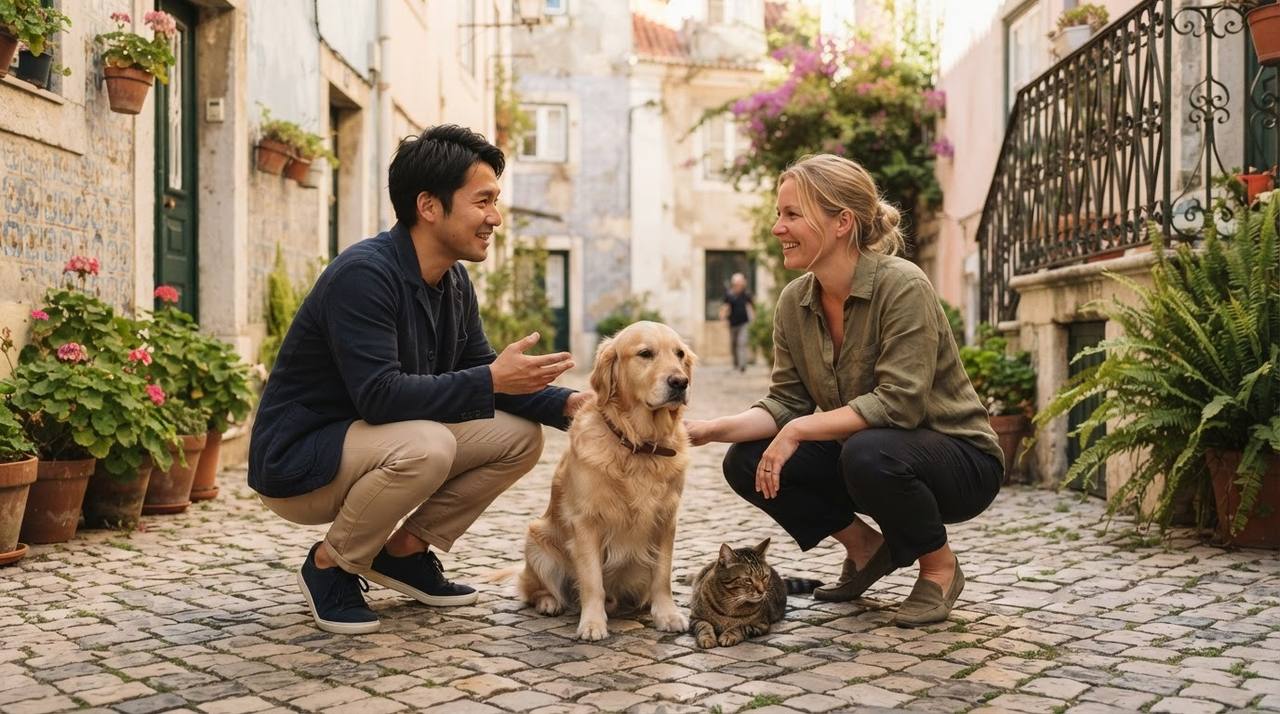
To find pet influencers, search Instagram, TikTok and YouTube by breed, care approach and city, mine competitor tags, and visit rescue and breed communities. Then vet each shortlisted account for fake followers, comment quality and audience location before paying. Published rates are set by tier and platform, not by pet niche, and disclosure and product claims are the main pet-specific risks.
To find pet influencers, search where pet owners already talk: Instagram, TikTok and YouTube search, breed and city keywords, rescue and adoption communities, and the accounts your competitors tag. Then vet every shortlisted account for real engagement and audience location before you pay. This guide gives the manual route step by step, plus the checks most pet guides skip.
Key takeaways
- Pet creators come in two kinds, owners who star their animals and experts such as trainers, groomers and vet-adjacent educators. Decide which you need before you search.
- Manual search works best when you combine a platform search with a breed, life-stage or problem keyword and a city, then read the comments rather than counting followers.
- Run every shortlisted account through the fake follower checker before you discuss price.
- Published rates are set by tier and platform, not by pet niche. Use the median figures below as a negotiating anchor, and price rights separately.
- Disclosure and product claims are the main pet-specific risks. Write both into the brief, and treat this as general information, not legal advice.
- A creator who already owns the right animal and the right problem will usually beat a bigger account that does not.
Who are you actually looking for?
Pet brands often search for "a dog influencer" and end up with the wrong person. The category covers at least three different jobs, and each one is found in a different place. Naming the job first saves hours of scrolling.
The first type is the animal-as-star account, where a dog, cat or small animal is the personality and the owner writes in its voice. These accounts suit lifestyle products such as beds, harnesses, toys and treats, because the audience comes for the animal and stays for the story.
The second type is the owner-educator, a person who talks about training, feeding, grooming or behaviour. These creators are trusted on harder questions, which makes them useful for food, supplements and grooming tools, and also makes them the riskiest on claims, which we cover in the rules section below.
The third type is the community voice: a rescue volunteer, a breed-club member, a local groomer or a dog walker with a loyal neighbourhood following. They rarely have large audiences, but their followers are near the shop, the clinic or the delivery zone.
| Creator type | Best for | Where they are found | Main watch-out |
|---|---|---|---|
| Animal-as-star account | Toys, beds, accessories, treats, seasonal gifts | Instagram and TikTok search, hashtags, suggested accounts | Audience may follow for the animal, not for buying advice |
| Owner-educator | Food, grooming tools, training gear, subscription boxes | YouTube search, TikTok keyword search, Reddit threads | Health and nutrition claims |
| Community voice | Local retail, clinics, events, adoption drives | Facebook Groups, local rescue pages, breed clubs, shows | Small reach, so contact details are harder to find |
If you sell across all three jobs, build a small shortlist for each rather than one long list. The briefs, the rates and the risks differ. The pet care industry page on Nurdd shows how these creator types map to pet food, accessories and grooming brands.
How do you find pet influencers manually?
Manual search is slower than a database, but it surfaces the small accounts that databases often rank low. It also puts you in front of the comments, which is where you learn whether the audience is real. Work through these steps in order.
Step 1: Search the platforms by what owners ask
Pet owners search by problem and by breed. On Instagram and TikTok, type phrases that describe a situation: a breed plus a life stage, a behaviour problem, a diet type, a grooming routine, or a first-pet milestone. On YouTube, search the exact question a new owner would type and note which channels appear repeatedly.
Open the first fifteen or twenty accounts that appear. Note who is posting consistently, who answers comments, and who shows the animal being handled calmly and kindly. A creator who engages with questions in the comments will usually handle a brand brief the same way.
Step 2: Use hashtags and keywords as clues, not as lists
Hashtags in this niche tend to fall into five families: the species and breed, the activity such as walking, hiking or agility, the diet or care approach, the life event such as adopting or a new puppy, and the location. Broad pet tags attract anyone, including accounts that exist to collect likes. Narrow tags that combine a breed or a care approach with a city tell you much more.
We do not publish hashtag volumes here because platforms do not publish them reliably. Treat a hashtag as a way to meet creators, then judge each creator on their own comments and growth.
Step 3: Mine your competitors' tags and your own mentions
Open the tagged-photos tab of two or three competing pet brands. The creators posting there already know the category and already accept brand relationships. Do the same for your own account, including people who bought and posted without being asked. A customer who posts a genuine photo of your product is often a better partner than a stranger with more followers.
Also search the brand names of non-competing pet products that your buyers use, such as vets' clinics, daycare chains and pet-sitting apps, and check who is tagged around them.
Step 4: Follow the suggested-accounts trail
Once you have found three strong creators, open each profile and expand the list of similar accounts the platform suggests. On YouTube, watch a good video and read the recommended sidebar. On TikTok, spend a few sessions engaging only with the pet content you want, and the feed will start to show similar creators. This is the cheapest way to extend a short list.
Step 5: Go where owners gather offline and in groups
Pet communities are unusually local. Breed clubs, rescue organisations, dog-park groups, training classes, adoption days and pet expos all produce creators who are well known to a specific audience. On Reddit, pet-focused communities show which posters are respected, and on Facebook the active group admins often run their own pages. Be open about why you are there and ask permission before you message members.
Step 6: Record each candidate in one sheet
For each creator, record the handle, platform, creator type, species and breed focus, city, the best-performing recent post, the contact route, and any red flags. A consistent sheet lets you compare candidates fairly, and it is the document you will use for the vetting checklist next.
| Channel | What to search | What it tells you | Limit |
|---|---|---|---|
| Instagram search and tags | Breed plus city, care approach, life event | Visual quality, comment tone, brand history | Broad tags are full of low-quality accounts |
| TikTok search | Behaviour problems, training tips, daily-routine phrases | Who owners watch for advice | Fast-moving, so reach can be a one-off |
| YouTube search | Exact owner questions | Educators with durable, searchable videos | Longer production, higher rates |
| Reddit and Facebook Groups | Breed, rescue and local communities | Respected voices and real objections | Rules differ by group, so ask first |
| Competitor tags | Tagged-photos tab of rival brands | Creators already open to partnerships | May already be exclusive to a rival |
| Shows, expos and shelters | Event pages and attendee tags | Local and community voices | Hard to scale |
How do you vet a pet influencer before you pay?
A pet account with an adorable animal can have a thin or purchased audience, and an adorable animal makes people less likely to look closely. Vetting is where you protect the budget. Follow this ordered checklist for every creator on the shortlist, and keep the sheet.
- Run the account through Nurdd's free fake follower checker, which estimates fake or inactive followers from engagement, and record the result next to the handle.
- Read the last twenty comments on five different posts. Real pet audiences ask about the breed, the product, the training method or the animal's age. Generic emoji strings and one-word praise from accounts with no photos are a warning.
- Look at follower growth over the last six to twelve months. Steady growth that tracks posting is normal. A vertical jump with no matching viral post needs an explanation. Our guide to fake follower red flags in comments and growth shows what each pattern looks like.
- Check audience location. A pet brand that ships to one country gains nothing from a large audience elsewhere. Ask the creator for a screenshot of the audience location view in their own analytics, and compare it with your delivery zone.
- Calculate engagement against followers using the Instagram engagement rate calculator, and compare it with creators of a similar size rather than with the whole platform.
- Scroll back through past sponsored posts. Check that earlier brand partnerships were disclosed clearly and that the creator did not promote competing products within days of each other.
- Watch how the animal is handled in videos. Look for calm, humane handling and no staged stunts that would make your brand look careless. This is a judgement call, not a metric, and it protects your reputation.
- Ask for a short list of recent campaign results the creator is willing to share, and confirm the product category matches. A creator who has only promoted dog toys is a risk for a cat food launch.
For the full method, read how to vet an influencer's audience before paying and the fake follower audit checklist. The influencer discovery and qualification scorecard turns the same checks into a score you can compare across creators.
What do pet influencers cost?
Published rate guides price creators by follower tier and platform. They do not price by niche, and we found no sourced pet-specific rate to quote, so use the tier figures below as an anchor and adjust for format and rights.
The clearest transaction data comes from OpenSponsorship, July 2026, which analysed 1,527 paid deliverables and reported these median paid costs per deliverable.
| Tier | Followers | Median paid cost per deliverable | Median cost per engagement |
|---|---|---|---|
| Nano | Under 10K | $134 | $3.11 |
| Micro | 10K to 50K | $150 | $3.05 |
| Mid-tier | 50K to 250K | $417 | $7.07 |
| Macro | 250K to 1M | $517 | $4.39 |
| Mega | 1M+ | $2,727 | $5.00 |
OpenSponsorship says the mega row is a small sample, so treat it as directional. It also found that creators with 50K to 250K followers had the worst cost per engagement of any tier it measured, at $7.07. For a pet brand, that means the mid-tier accounts that look like a sensible step up are the ones where you should push hardest on price.
Other guides quote higher figures. Influencer Marketing Hub, October 2026 puts micro creators (10K to 100K followers) at $100 to $500+ per Instagram post, $200 to $800 per TikTok video and $200 to $1,000+ per YouTube video, and says Reels generally command higher fees than static posts. Later, July 2026 puts micro-creator feed posts at $500 to $1,500 and Reels or TikToks at $800 to $2,500. The sources disagree because they measure different things: asking prices, rate-card ranges and what brands actually paid.
Use the free influencer rate card estimator to check a quote, and read our guide to influencer rates by tier for the full comparison. For short video, our TikTok influencer rates guide breaks the bands down further.
A worked example for a pet food brand
This example is illustrative. The prices are the OpenSponsorship medians above, and the arithmetic is ours. It is not a real quote or a forecast of results.
Suppose a treat brand wants a test campaign with eight micro creators and two mid-tier creators, one paid deliverable each. At the micro median of $150, eight creators cost $1,200. At the mid-tier median of $417, two creators cost $834. The total is $2,034 before any rights or fees.
Now add rights. Using Later's published ranges, a hypothetical $1,000 base fee becomes $1,200 to $1,300 when delivered as a Reel (a 20 to 30 percent uplift), and whitelisting adds 30 to 50 percent of the base, or $300 to $500. Those uplifts are why a creator who quotes a low headline price with every right charged separately can end up costing more than a creator who includes them. Compare the all-in figure.
Finally, compare efficiency. At the OpenSponsorship micro median of $3.05 per engagement, $1,000 buys about 328 engagements. At the mid-tier median of $7.07, the same $1,000 buys about 141. That gap is the reason to weight a first pet test towards smaller creators who pass the vetting checklist, and to ask the mid-tier accounts for a better price.
Check any plan against your own numbers with the influencer ROI calculator and the campaign benchmarker.
What rules apply to pet influencer campaigns?
This section is general information and is not legal advice. Rules differ by country, and a pet brand should ask its own adviser before launch. Two areas matter most in this niche: disclosure and product claims.
Disclosure
In the United States, the Federal Trade Commission's Disclosures 101 guide for social media influencers (November 2019) says creators must disclose any financial, employment, personal or family tie to a brand, and that free or discounted products count. It says the disclosure should be hard to miss, placed alongside the endorsement rather than buried among hashtags, shown in the video itself for video content, and not left to a platform tool alone. It advises against vague terms such as "sp" or "collab".
The FTC's endorsement guides FAQ adds that brands should have reasonable programmes to train and monitor the people who promote their products, that health products call for more oversight than fashion, and that pre-approving paid posts is recommended. Pet food and supplements sit nearer the health end of that range, so put disclosure wording and a review step in every brief.
The FTC guide also notes that US law can apply to posts made from abroad when they are likely to affect US consumers, so a global campaign should plan for the strictest market it reaches.
Product claims
The US Food and Drug Administration's page on animal food labeling and pet food claims (current as of 2026) says that claims a pet food is meant to cure, treat, prevent or mitigate disease, or to affect the body's structure or function beyond nutrition, aroma or taste, may mean the product is intended as a new animal drug. It also says labeling requirements sit in 21 CFR part 501, states may add their own rules, and the AAFCO model regulations become enforceable only when a state adopts them.
The practical lesson for a brief is to keep creators to what the pack and the product page already say. A creator who tells followers that a food "fixes" allergies or "prevents" illness is making a claim the brand may have to defend. Give creators approved wording, and a short list of statements to avoid.
Fake audience
On 14 August 2024, the FTC announced a final rule that bars selling or buying fake indicators of social media influence, such as followers or views generated by bots, when the buyer knew or should have known they were fake and used them to misrepresent influence for a commercial purpose. For a brand, that is one more reason to keep vetting evidence on file.
| Risk | What to put in the brief | Source for the rule |
|---|---|---|
| Missing or buried disclosure | Exact wording, placement, and a review before posting | FTC Disclosures 101, November 2019 |
| Free product treated as no relationship | Tell creators that gifted product still needs disclosure | FTC endorsement guides FAQ |
| Disease or body-function claims about food | Approved claims only, a list of banned phrases | FDA pet food claims page |
| Purchased followers or views | Audit evidence and a warranty clause | FTC final rule, August 2024 |
| Animal handling and welfare | Humane-handling standards and a right to pull content | Brand policy (no regulator cited) |
Common mistakes when finding pet influencers
- Choosing by cuteness. Your buyer is the owner, so judge the owner's credibility and the comment section.
- Searching only the biggest breed tags. Larger tags are crowded with accounts that exist to collect engagement.
- Skipping location. A pet product with a delivery zone needs an audience inside it.
- Forgetting that an animal's age changes the offer. A puppy account ages out of the puppy-food audience within months.
- Paying the headline fee without pricing usage and whitelisting, then finding the all-in cost is higher.
- Leaving claims and disclosure to the creator. Both belong in the brief.
- Counting a launch as success without attribution. See how to attribute influencer performance and set up UTM links for influencer campaigns before the first post.
How does Nia by Nurdd help find pet influencers?
Nia by Nurdd is an AI-native creative studio with influencer marketing built in. It searches 10M+ creator profiles across Instagram and other platforms, filtered by niche, audience quality, engagement authenticity and brand match. TruAI detects fake followers before you agree a rate, Nia forecasts return before spend, and sales are attributed to each creator through the Nurdd SDK. Learn more on the Nia page.
Want to see it on your own brand? Book a demo and we will show you a shortlist for your category.
If you would rather hand the work to a team, Nurdd also runs creator campaigns as a managed service through its influencer marketing agency. To compare options first, read our guide to the best influencer marketing platforms, or see how to pick influencers based on predicted sales.
How we researched this
We reviewed three published guides on finding pet influencers to see what they cover and what they leave out, then built this guide around the gaps: a vetting checklist, a rate benchmark, and the rules that apply to pet products. We read the primary pages cited above, which are the OpenSponsorship pricing analysis, two rate guides from Influencer Marketing Hub and Later, two Federal Trade Commission guidance pages, an FTC press release, and an FDA page on pet food claims. Pages were checked on the publication date of this article, 11 November 2026. We did not interview creators or run a campaign for this guide, and we did not find a published pet-specific rate, so none is quoted. The worked example is illustrative.
Frequently asked questions
How do I find pet influencers for free?
Search Instagram, TikTok and YouTube for breed, care-approach and city keywords, open your competitors' tagged-photos tab, and follow each platform's suggested accounts. Then check each candidate with the free fake follower checker and the engagement rate calculator before you contact anyone.
How many followers should a pet influencer have?
There is no ideal number. OpenSponsorship's July 2026 data shows nano and micro creators had the lowest median cost per engagement, $3.11 and $3.05, so a first test often does well with smaller creators who pass vetting. Choose the tier by goal: reach or engagement.
How much do pet influencers charge?
Published rate guides price by tier and platform, not by pet niche. OpenSponsorship's median paid cost per deliverable ranges from $134 for nano creators to $2,727 for mega creators, and rights such as usage and whitelisting add to the base fee.
Do pet influencers have to disclose partnerships?
Under the FTC's guidance, creators should disclose any financial, employment, personal or family tie to a brand, including free or discounted products, and the disclosure should be hard to miss. Rules differ by country, and this is not legal advice.
How can I tell if a pet account has fake followers?
Run the account through a fake follower checker, read recent comments for generic or unrelated replies, look for sudden jumps in follower growth, and check the audience location. A cute animal is not evidence of a real audience.
Can a pet influencer make health claims about food or supplements?
The FDA says claims that a pet food will treat, prevent or mitigate disease can mean the product is intended as a new animal drug. Keep creators to approved wording that matches the label, and ask your adviser about your market.
Should I work with the animal's account or the owner's?
Usually both are the same person, but the contract should name who is responsible. The owner signs, delivers and discloses, so vet the owner's audience and conduct, and agree how the animal will be handled on set.
Where do I start if I have no list?
Start with your own customers' posts and your competitors' tags, build a ten-name sheet, and vet it with the checklist above. If you want a faster shortlist, a Nurdd demo shows creators matched to your own brand.