Best AI Search Visibility Tools in 2026: An Honest Comparison Nobody Paid Us to Write
 10 Aug 20268 min read
Dedicated AI visibility platforms are the best choice when AI search is a primary priority, provided they run repeated queries across multiple engines. Existing SEO platforms are useful for baseline awareness but typically offer limited coverage, inconsistent multi-engine tracking, and basic or absent sentiment analysis.
Every tool in this space claims to track your brand across AI engines. Most track some of what they promise. A few track almost none of it. Here is the comparison nobody in this space will write because they are all trying to sell you something.

What AI Search Visibility Tracking Actually Requires
Tracking your brand in AI search is not the same as tracking keyword rankings in Google. Google's results are deterministic the same query produces the same result for everyone. AI engines like Perplexity, ChatGPT, and Gemini produce probabilistic responses the same query asked twice may produce different answers, different citations, different brand mentions.
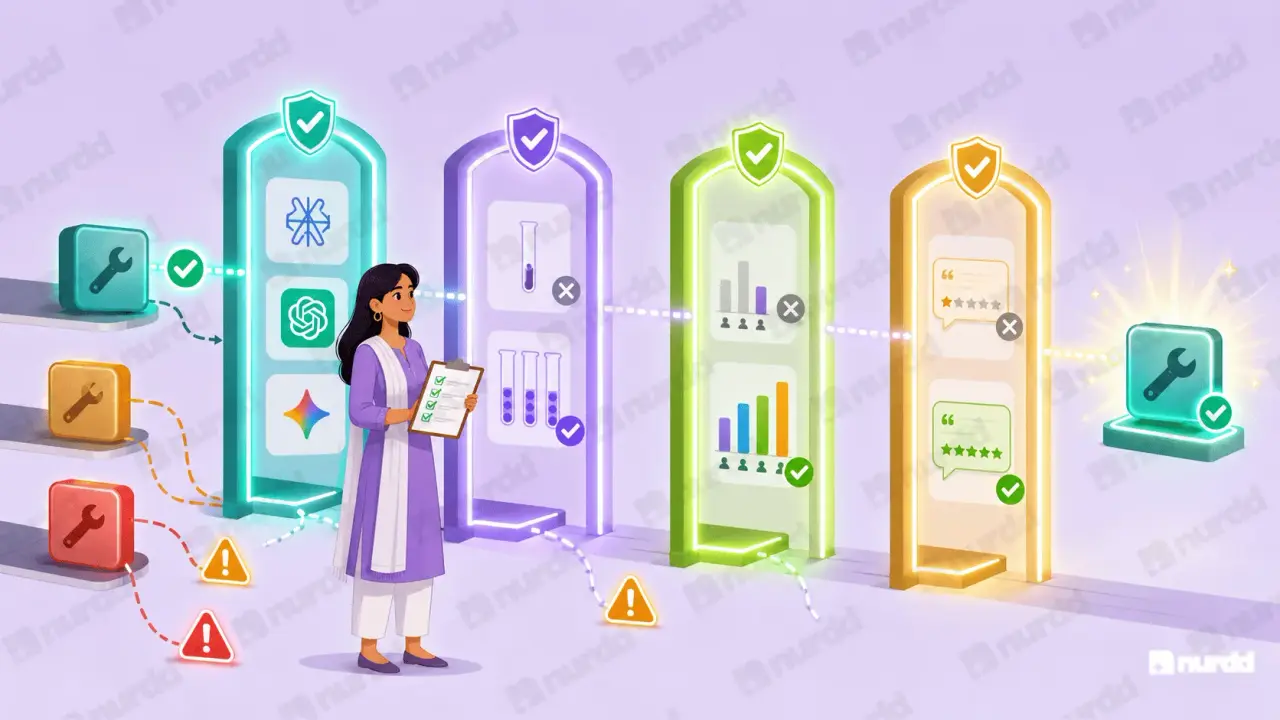
A credible AI visibility tracking tool must run each query multiple times to establish a reliable citation rate. It must track across multiple AI engines. It must measure sentiment of the mention whether your brand is cited positively, neutrally, or with a caveat. And it must track competitors simultaneously. Most tools in this space fail on at least two of these four requirements.
Category 1: SEO Tools That Added AI Tracking as a Feature
The major SEO platforms have all added some form of AI visibility monitoring. The better ones run actual queries across AI engines and report citation frequency. The weaker ones estimate AI visibility based on domain authority signals, which is a proxy measure, not a direct measurement.
Honest assessment: if you are already paying for an enterprise SEO platform, the AI tracking add-on has value as a baseline awareness tool. It is not sufficient if AI search is a primary strategic priority - the query coverage is typically limited, multi-engine tracking is inconsistent, and sentiment analysis is basic or absent.
Category 2: Dedicated AI Visibility Platforms
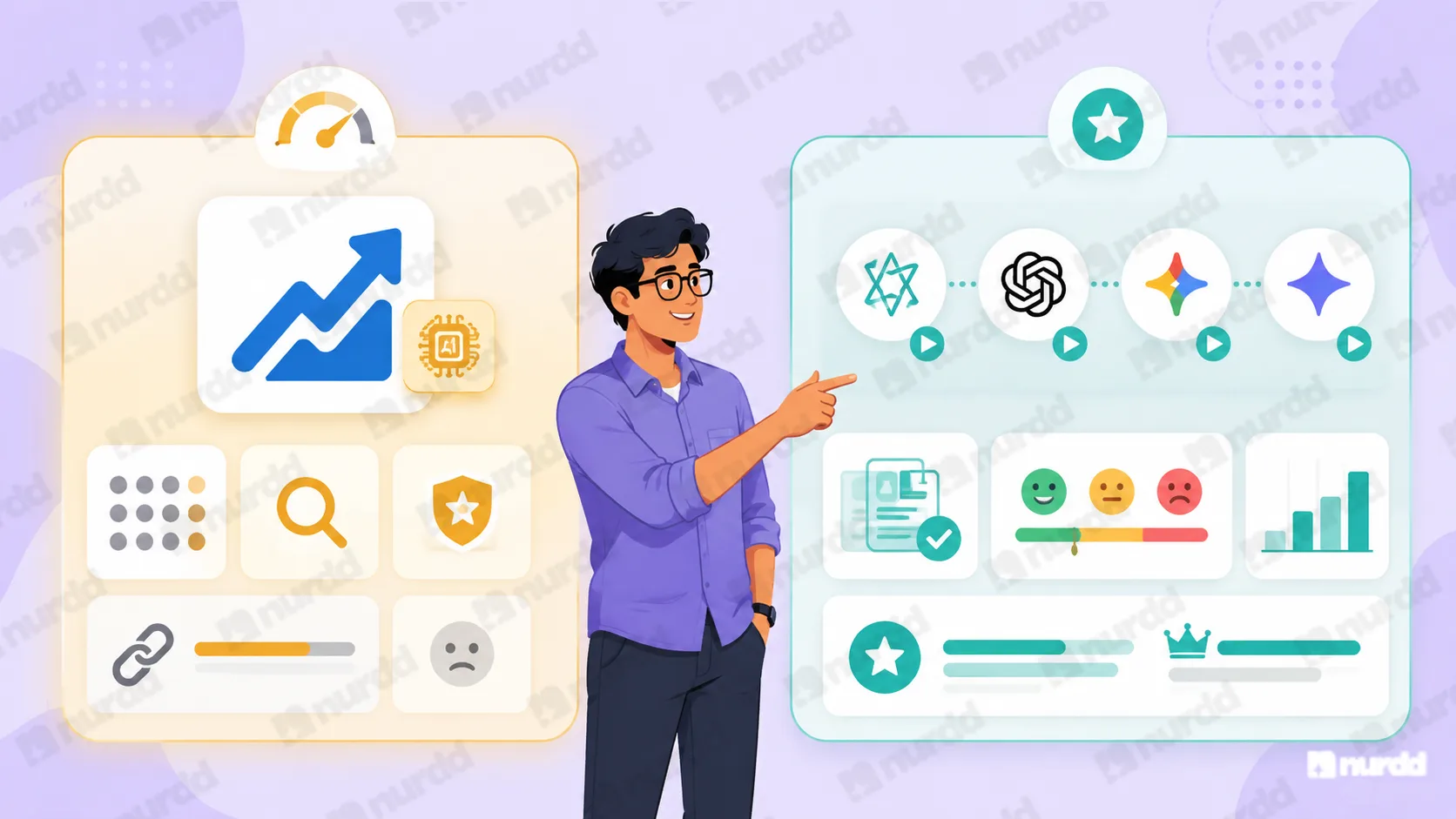
A newer category of tools built specifically for AI search monitoring - including Noma by Nurdd - takes a fundamentally different approach. Rather than estimating visibility from indirect signals, these tools run actual queries across Perplexity, ChatGPT, Google AI Overview, and Gemini, measure citation frequency across repeated query runs, score sentiment per mention, and track competitor visibility for the same query set.
This approach produces a measurable AI visibility score per brand that is updated regularly and can be tracked over time.
What to Look For When Choosing
Multi-engine coverage: the tool must track at minimum Perplexity, ChatGPT with browsing, and Google AI Overview.
Query repetition methodology: does the tool run each query once or multiple times? A single-run result is not statistically reliable for AI engines.
Competitor benchmarking: your visibility score only has meaning relative to your competitors.
Sentiment classification: being mentioned as a budget option is very different from being cited as the recommended choice.
The tool that shows you one number once is telling you a story. The tool that shows you an average across multiple queries and multiple engines is telling you the truth.
Sources & References
Search Engine Journal (2026) - AI Search Visibility Tools: Category Overview | searchenginejournal.com
BrightEdge (2026) - AI Search Brand Monitoring: Tool Landscape Report | brightedge.com
Noma, Nurdd (2026) - AI Visibility Tracking Methodology Documentation | nurdd.club
Semrush (2026) - AI Overview Tracking Feature: Methodology Notes | semrush.com/blog

Is your brand showing up in AI search answers?
Noma tracks whether ChatGPT, Perplexity, Gemini, Claude, and Grok mention your brand when customers ask category questions — and shows you exactly how to improve your AI visibility.