Why AI Engines Keep Recommending Your Competitor's Old Blog Post Instead of Your Better One
 29 Jun 20267 min read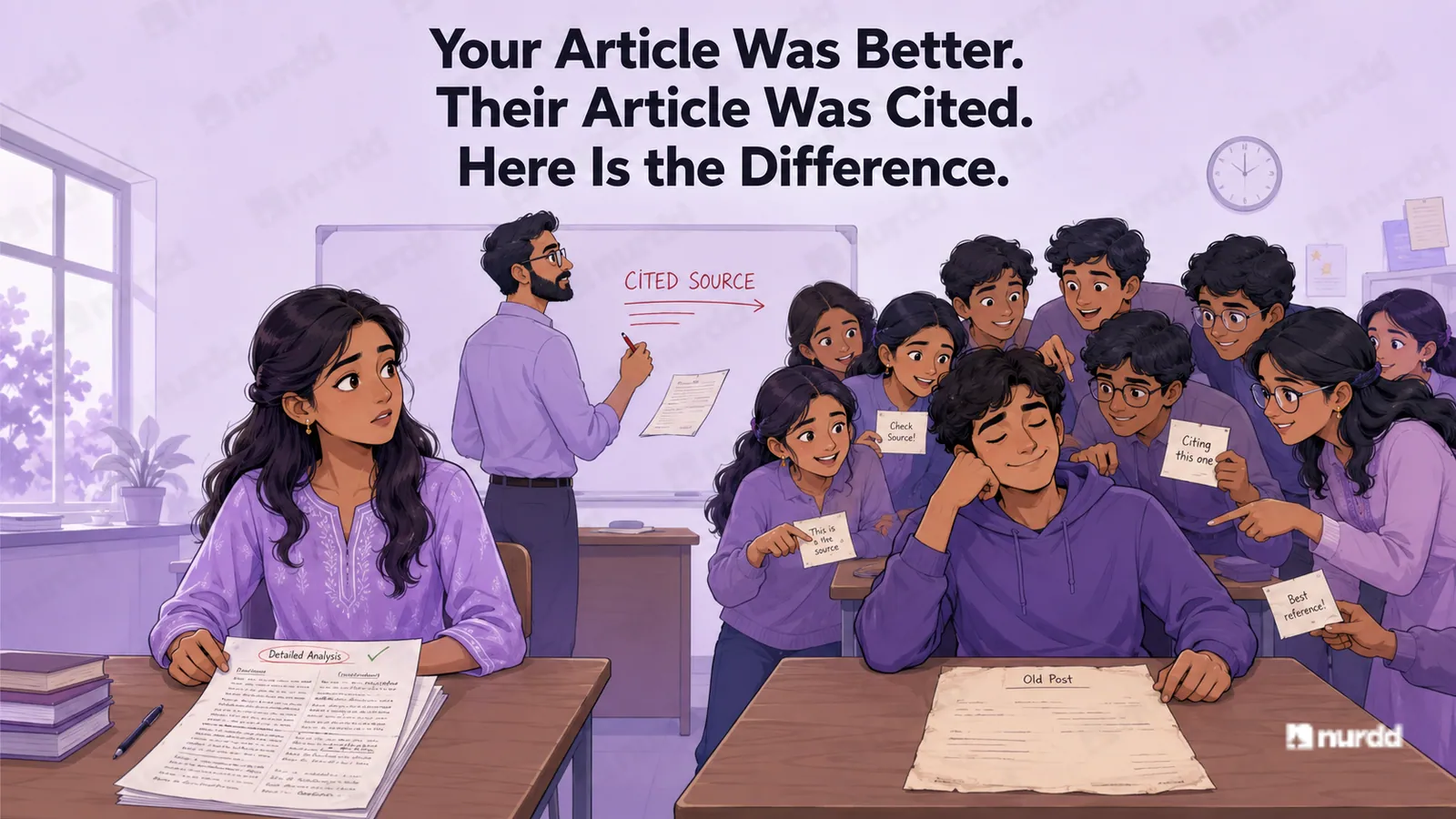
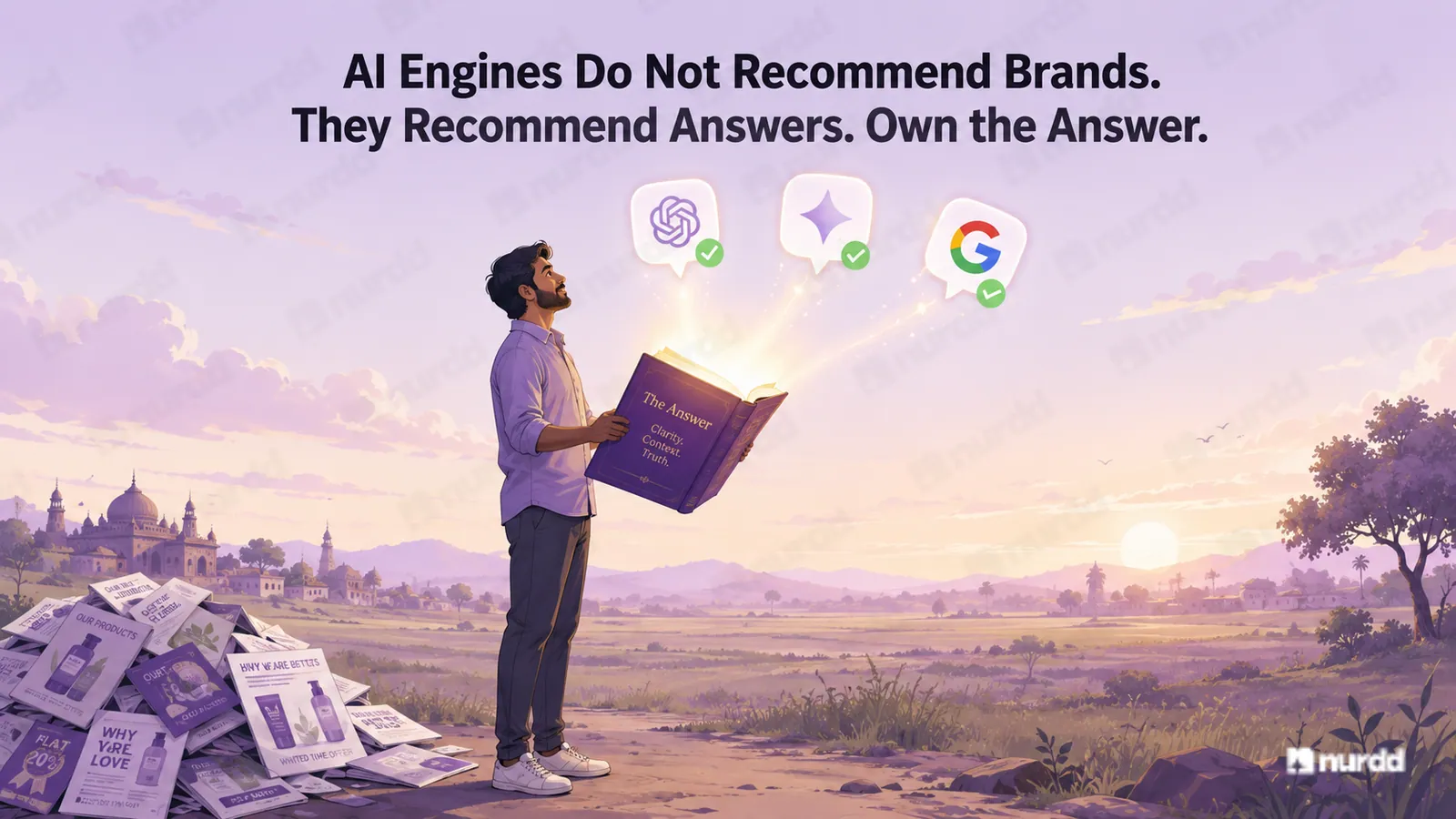
AI engines recommend your competitor because its older post has had more time to be indexed, linked to, cited, and absorbed into training data, giving it greater citation density. Your post may be better, but it has fewer references; build visibility through relevant mentions, broader topical coverage, and consistent publishing.
You did everything right. You wrote a comprehensive, well-researched, genuinely useful blog post. It's better than your competitor's post on the same topic more detailed, more current, more practical. And yet, when someone asks ChatGPT or Perplexity about your topic, they get cited. Not you.
How AI Models Actually Learn About Content
Large language models are trained on snapshots of the internet taken at a specific point in time. After that training cutoff, they don't automatically update when you publish a new blog post. Your competitor published their article two years ago. That article has been indexed, linked to from other websites, and included in training datasets. Your article was published last month. The model isn't comparing articles on quality it's drawing on what was most present in its training data, weighted by how many other trusted sources pointed to it.
The Citation Frequency Problem
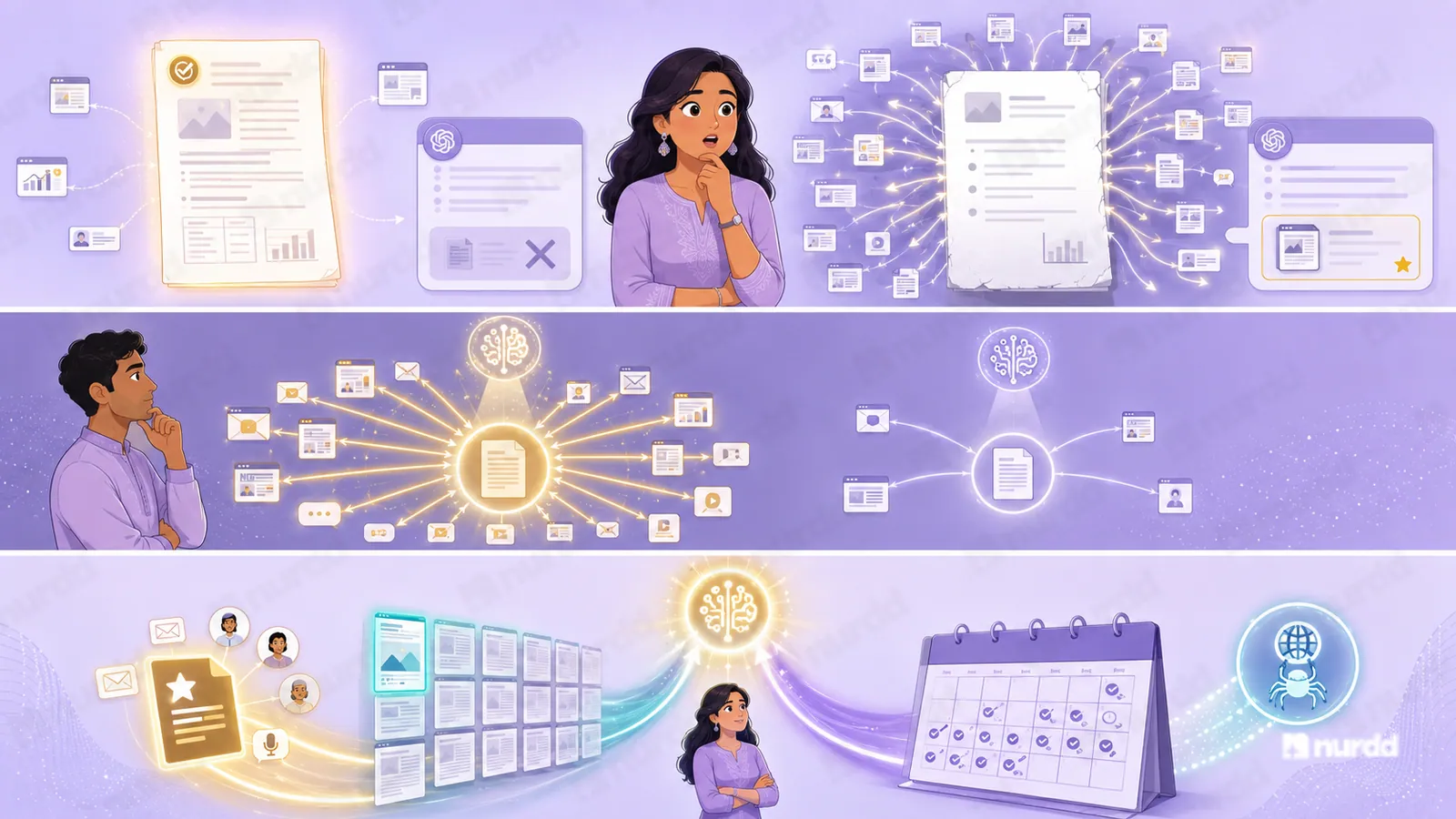
An AI model has read, in a figurative sense, millions of documents. When it encounters a topic, it draws on the pattern of what it saw. If 40 different websites, articles, and forums mentioned your competitor's article linked to it, quoted it, referenced it that article has high citation density in the training corpus. Your article hasn't been mentioned by 40 other sources yet. It might be better. But in the model's view, it barely exists. This is about citation graph density, not content quality.
Why Perplexity Is Different
There's an important distinction. ChatGPT without browsing draws from training data. Perplexity, and ChatGPT with browsing enabled, actually crawl the web in real time for responses. For real-time AI search engines, recency does matter more. Perplexity will surface your recent content if it's well-structured, answers the query directly, and comes from a domain with reasonable authority. This is where traditional SEO fundamentals intersect with AEO.

What You Can Actually Do
The answer is not to wait it's to build citation density deliberately. Get your content mentioned by relevant newsletters, industry aggregators, and journalists who cover your space. Not for backlinks for citations that end up in the places AI models draw from. One mention in a high-authority piece is worth more citation density than a hundred generic article submissions. Build topical breadth, not just depth. A competitor who has 30 articles about influencer marketing has broader coverage than you with 5, even if your 5 are individually better. And publish consistently every article you publish is another opportunity to accumulate citations over time.
In AI search, being the best-known source beats being the best source until you become both. That's the game.

Sources & References
Mollick, "Understanding LLM Training Data and Citation Patterns" (2025) — oneusefulthing.org
Semrush, "GEO Study: What Content Gets Cited in AI Responses" (2025) — semrush.com
Search Engine Journal, "Entity Authority and AI Search Ranking Factors 2026" — searchenginejournal.com
Perplexity AI, "How Perplexity Selects Sources" — perplexity.ai/hub/blog
The Information, "AI Search and the Citation Economy" (2025) — theinformation.com