How to Stop Meta Ads from Targeting Your Existing Customers (And Wasting Budget on People Who Already Bought)
 13 Jun 20265 min read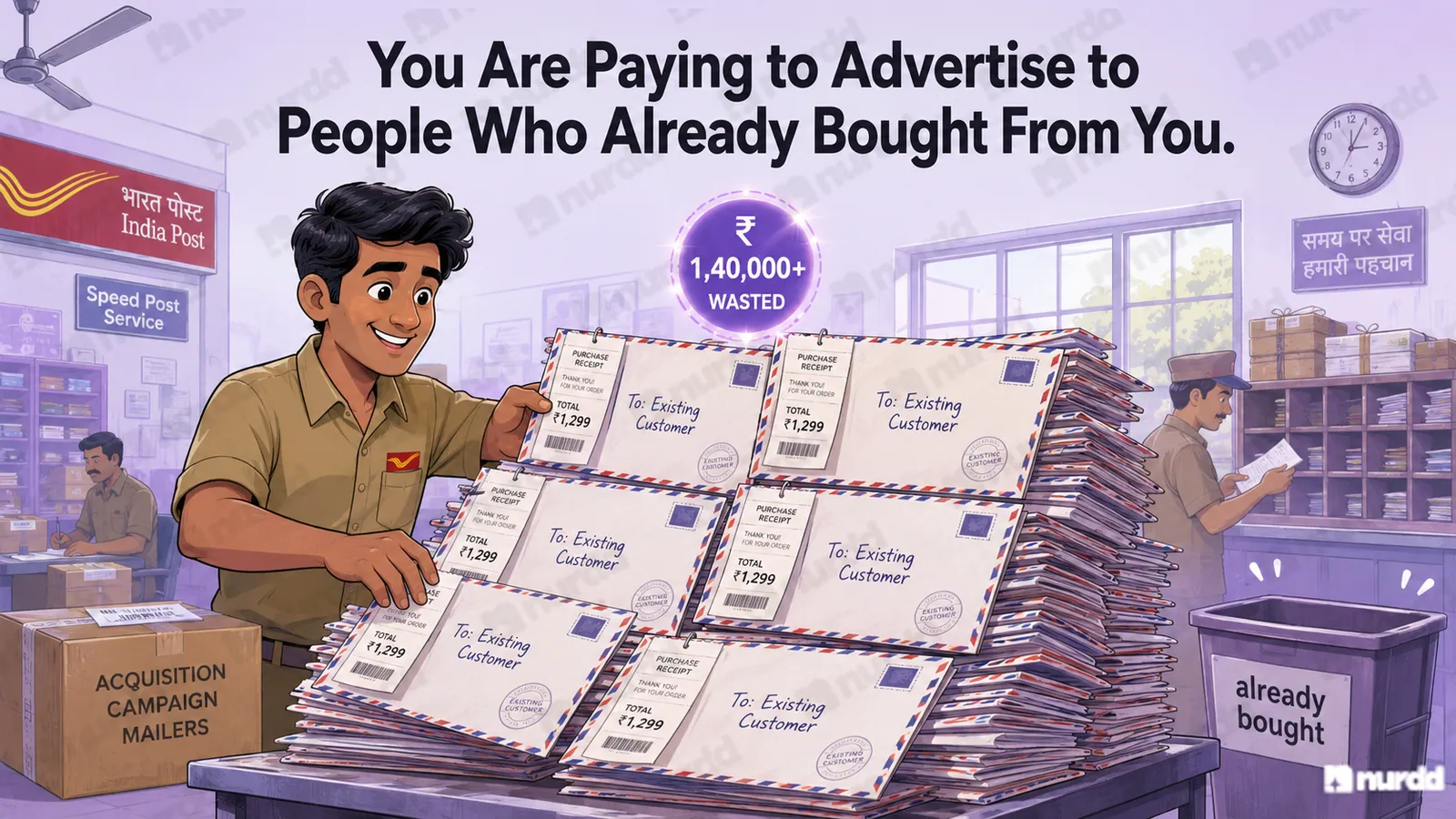
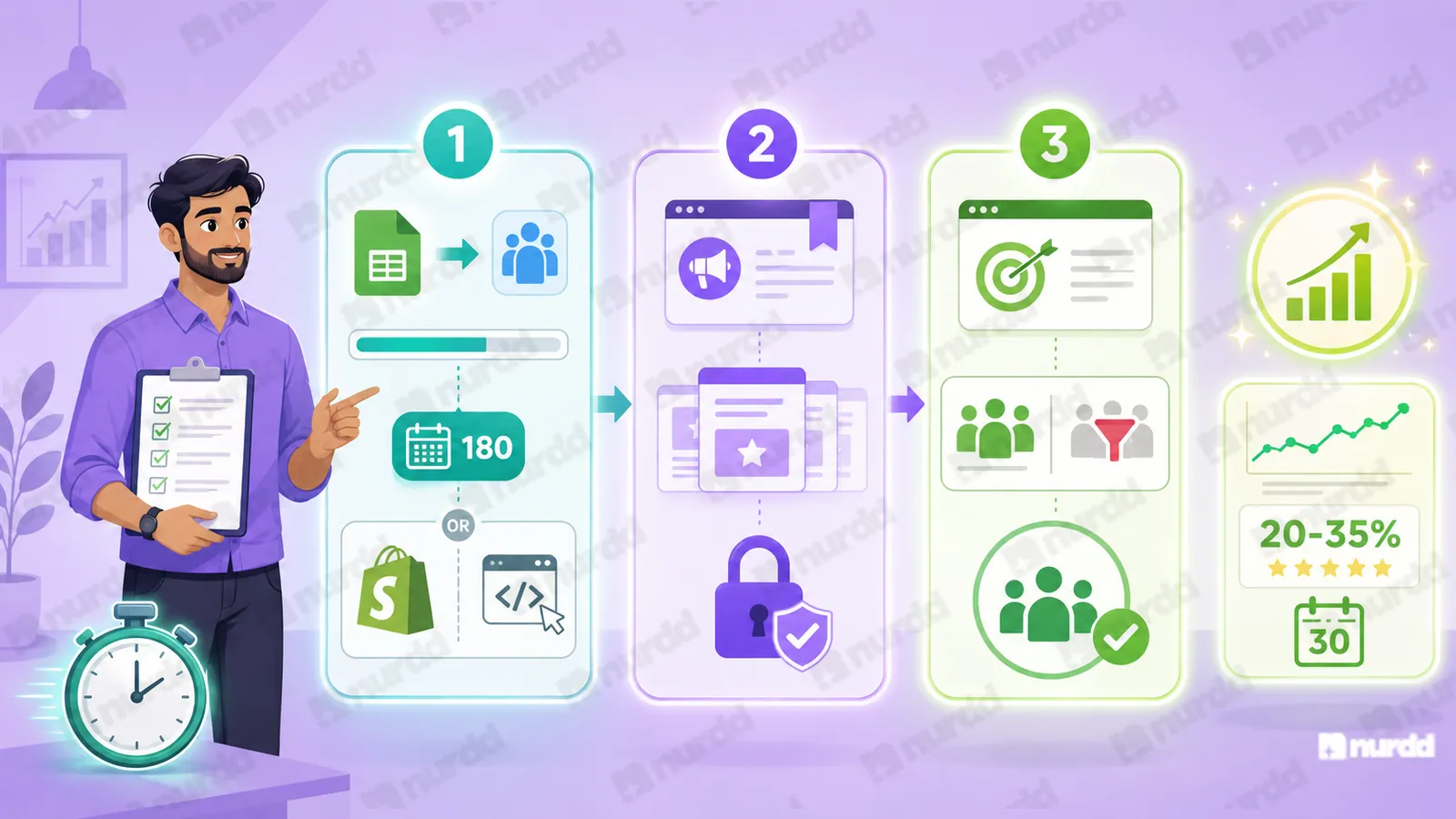
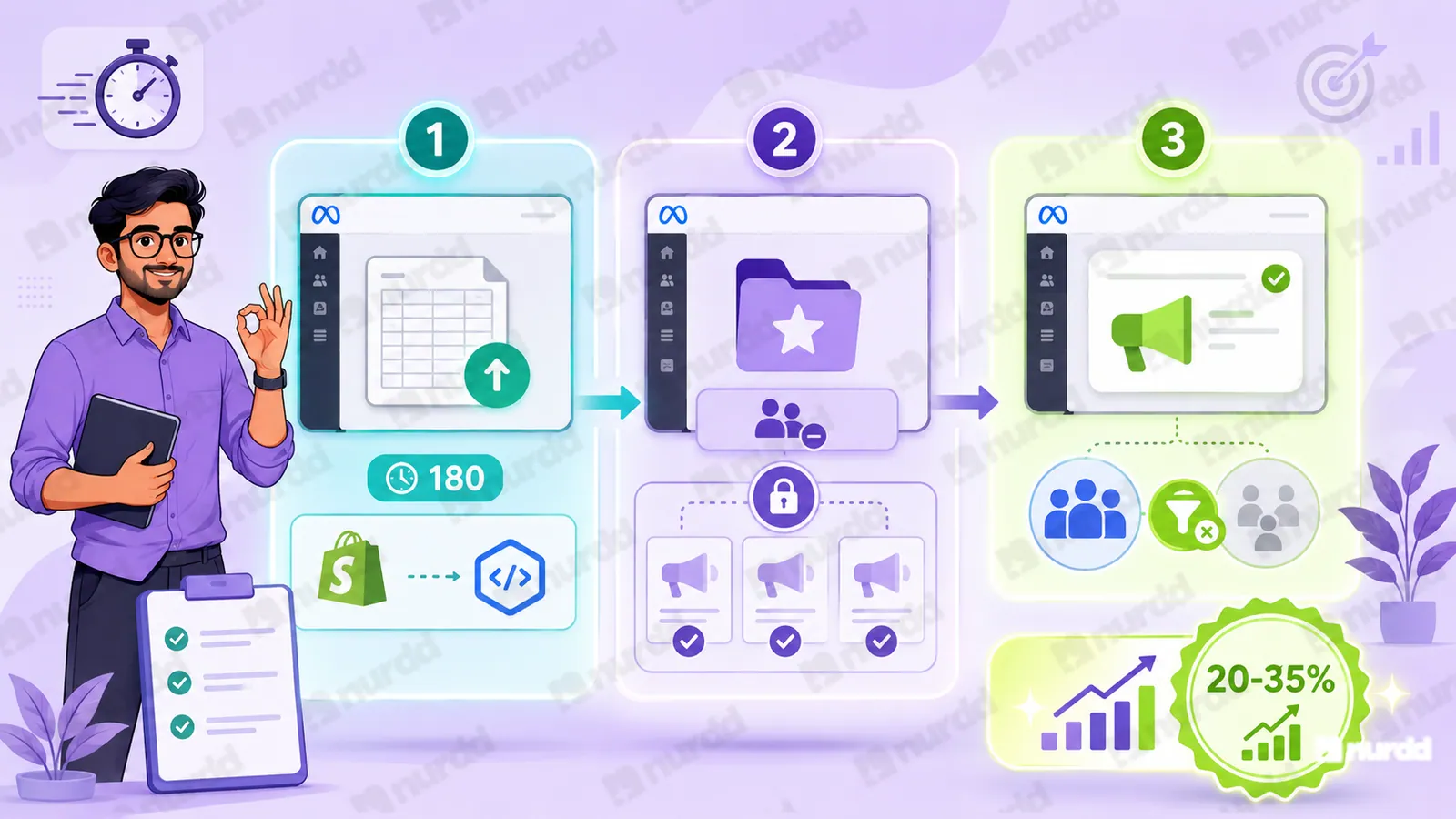
Upload your customer purchase data as a Meta Custom Audience and exclude it from every acquisition ad set; include customers from at least the last 180 days. Keep exclusions off retargeting, win-back, and cross-sell campaigns, which are meant for existing customers.
This is happening to your campaigns right now if you have not explicitly prevented it: Meta is showing your acquisition ads to people who bought from you last month. They are clicking. You are paying. You are calling it a conversion. Your ROAS looks stable. Your actual acquisition efficiency is quietly deteriorating.
Customer exclusions in Meta Ads are one of the simplest optimisations available and one of the least consistently applied by Indian D2C brands. The brands that implement them properly typically see acquisition ROAS improve by 20% to 35% within 30 days without touching creative or budget.

Why this happens and why it matters so much
Meta's algorithm optimises for conversion probability. Existing customers who have bought from you are more likely to convert than cold audiences because they already know and trust your brand. The algorithm learns this and starts delivering your ads disproportionately to your existing customer base because it improves the attributed conversion rate on paper.
The problem is that you are paying acquisition-level CPMs to reach people who were already going to buy from you again, or who you would have retained far more efficiently through email at a fraction of the cost.
How to set up proper customer exclusions
The most effective exclusion approach uses Custom Audiences built from your customer purchase data. Upload your customer list as a Custom Audience in Meta Ads Manager. This list should include anyone who has purchased in the last 180 days, at minimum.
Create this exclusion as a saved audience and apply it to every acquisition-oriented ad set as a standard exclusion. Make it a campaign template default so that no new acquisition ad set can launch without it.
If you have a Shopify or WooCommerce store with the Meta pixel properly installed, you can build this exclusion dynamically using pixel-based Purchase Custom Audiences rather than manual list uploads.
The nuance most brands miss
Customer exclusions are not appropriate for all campaign types. Retargeting campaigns, win-back campaigns, and cross-sell campaigns are designed to reach existing customers. Excluding them from these makes no sense.
The exclusion framework works best when you have clearly separated acquisition campaigns from retention campaigns in your account structure. Most brands run everything in a mixed structure where acquisition and retention campaigns overlap. This creates attribution confusion, bidding competition within your own account, and no clean data on how acquisition and retention spending are performing independently.
A quick check to see if you have this problem right now
Go into your Meta Ads Manager. Open your top acquisition campaign. Under the audience for each ad set, look at whether a customer list exclusion is applied. If it is not, you are currently paying to reach people who already bought from you.
Pull the breakdown of conversions by new vs returning visitor in your Shopify analytics for the same period. If a substantial portion of Meta-attributed conversions come from returning customers, you now know the size of the inefficiency.
The fix takes about 20 minutes to implement. The budget savings are immediate.
Paying Meta to reach your existing customers is the most polite way to describe budget waste in performance marketing.
Sources & References
Meta Business Help Center: Custom Audiences and Exclusions - https://www.facebook.com/business/help/744354708981227
Shopify: Meta Ads Integration and Attribution Guide - https://help.shopify.com/en/manual/promoting-marketing/create-marketing/facebook
Social Media Examiner: Meta Ads Audience Exclusion Best Practices - https://www.socialmediaexaminer.com/how-to-use-facebook-custom-audiences/
Klaviyo: Acquisition vs Retention Paid Media Segmentation - https://www.klaviyo.com/blog/facebook-ads-integration

Your ads are spending. Are they actually performing?
Pulse connects to Google Ads and Meta Ads to explain performance in plain language, diagnose what changed, and recommend specific actions — no data analyst needed.